Need a New Hobby? 10 Activities That Can Make Free Time More Rewarding
A good hobby does more than fill an empty hour. Research suggests that regular leisure activities can support well-being, while the best choice depends on whether you want movement, creativity, learning, connection or quiet. Here are 10 approachable activities to try without turning your free time into another obligation.
By StoryBreak
Published September 6, 2026 at 1:35 AM

Free time can be surprisingly difficult to use well. After work, family responsibilities and errands, many people default to scrolling or streaming—not because those activities are inherently bad, but because they require little decision-making.
A hobby offers a different kind of break: time with a purpose that is separate from productivity. Recent research has linked regular leisure engagement with better self-reported physical and mental health, while a 2025 review found recurring themes involving stress, quality of life and social connection. Those findings do not mean a hobby is a substitute for professional mental-health care. They do suggest that an enjoyable activity can be a practical part of a healthier routine.
The trick is to choose something that fits your energy, budget and attention span. Consider these 10 possibilities.
1. Take up walking with a theme
A daily walk becomes more engaging when it has a small mission: photograph unusual architecture, identify neighborhood trees, explore a different route or listen to a history podcast. Walking can be social or solitary, and it is easy to divide into short sessions. Federal guidelines recommend that adults work toward 150 minutes of moderate-intensity activity per week, but the CDC also emphasizes that some activity is better than none.
2. Grow something
Gardening, balcony plants and even a windowsill herb box offer a visible sense of progress. Choose a low-maintenance starting point—such as basil, mint, succulents or seasonal flowers—and learn by observation rather than trying to build a perfect garden immediately. Research on creative leisure has associated increased gardening time with lower depressive and anxiety symptoms in one U.S. pandemic-era study, although that result should not be treated as proof that gardening works the same way for everyone.
3. Learn to cook one category of food
Instead of attempting to master “cooking,” narrow the project. Try soups, fresh pasta, bread, vegetarian dinners or regional dishes. A focused category makes it easier to notice improvement, and the results can be shared with friends or family. Longitudinal research in older U.S. adults has associated weekly baking or cooking with lower odds of later depression, though observational studies cannot establish that cooking itself caused the difference.
4. Try a hands-on craft
Knitting, sewing, woodworking, ceramics, drawing and collage all turn attention toward a physical process. Start with a small project that can be finished in one or two sessions. Completion matters: a modest result can create more momentum than an ambitious project that sits unfinished for months.
5. Learn a musical instrument—or music production
You do not need to aim for performance. A keyboard, guitar, hand drum or inexpensive digital music app can provide a structured way to practice listening, rhythm and coordination. Take short lessons or follow a beginner course, and measure progress by consistency rather than mastery.
6. Study a language for real-life use
Pick a language connected to a person, place, family history, trip or culture that interests you. Build the hobby around practical milestones: introducing yourself, ordering food, reading a short article or understanding a song. A class, conversation group or online partner can add the social accountability that helps a new routine last.
7. Join a club or recurring group
Book clubs, recreational sports, board-game nights, community choirs and volunteer groups can make a hobby easier to sustain because other people are expecting you. Studies of leisure among older adults have found associations between clubs, hobbies and lower odds of depression. The broader lesson is simple: choose an activity that creates a reason to return.
8. Make reading more active
Reading can become more rewarding when it has a shape. Keep a one-sentence response after each chapter, join a discussion group, alternate fiction and nonfiction, or choose a theme for the month. If concentration is difficult, audiobooks, essays and short stories count; the aim is engagement, not meeting an arbitrary page quota.
9. Practice photography or visual journaling
A phone is enough to begin. Give yourself prompts such as “three textures,” “morning light” or “something blue,” then review the images at the end of the week. The exercise encourages attention to ordinary surroundings and can be combined with walking, travel or family history.
10. Volunteer with a defined commitment
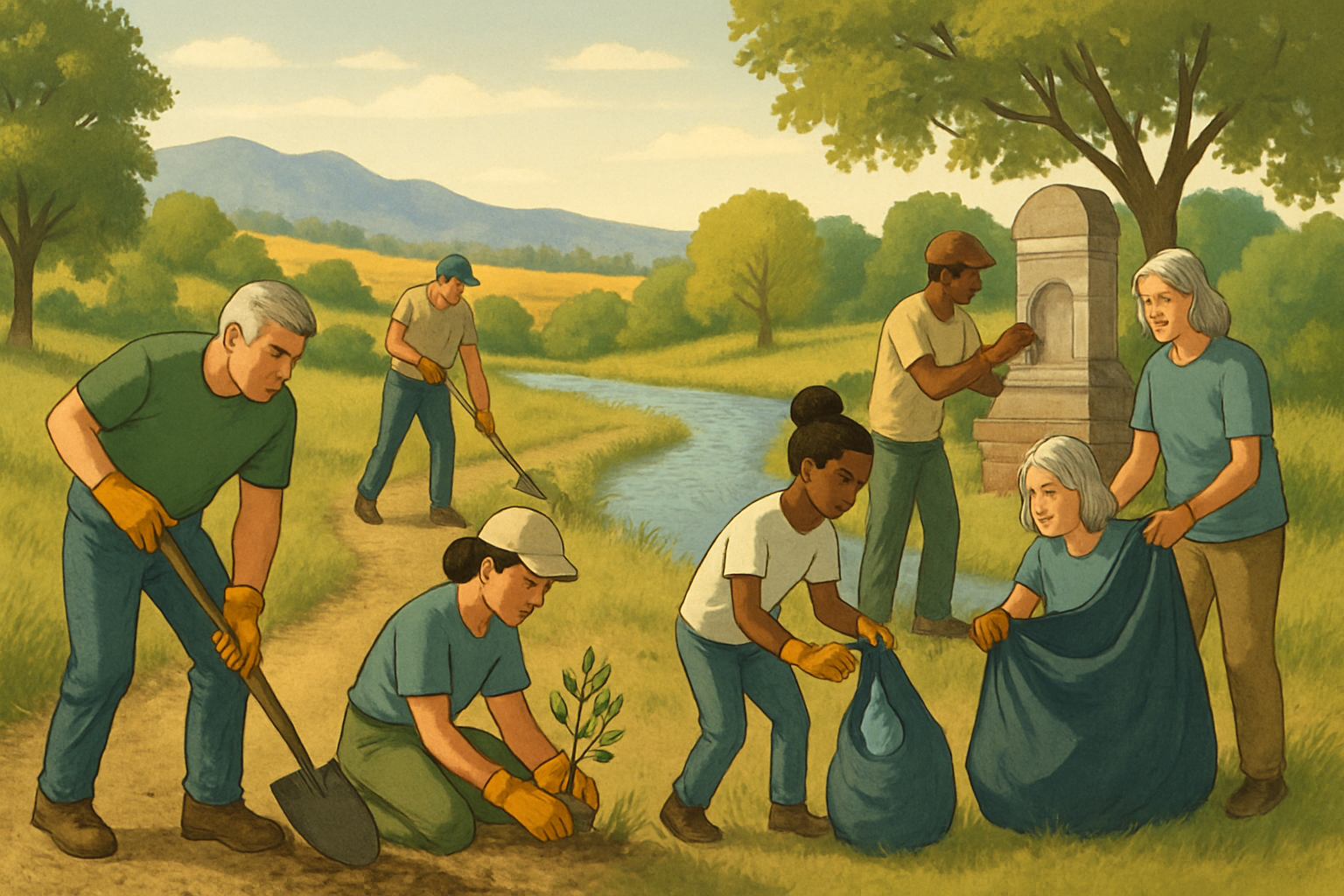
Volunteering can provide structure and connection, but it works best when the commitment is realistic. Try one shift a month, a seasonal project or a specific skill-based role before agreeing to a demanding schedule. A 2026 analysis of leisure activities found that social and mindfulness activities were more strongly associated with mental health, while physical activities were more strongly associated with physical health—another reason to choose an activity that matches the benefit you want.
Whatever you choose, begin with a two-week experiment. Set aside one small block of time, keep the initial cost low and ask afterward: Did this leave me more energized, calmer, more curious or more connected? If the answer is no, change the hobby—not your expectations. The most rewarding pastime is rarely the one that looks impressive. It is the one you are willing to do again.
StoryBreak
Independent digital news and reporting, updated throughout the day.
This article was researched and drafted with AI assistance and reviewed as part of StoryBreak's editorial process before publication. Read our editorial standards.