BRICS Leaders Meet in India as an Expanded Bloc Tests Its Global Influence
The 11-member BRICS grouping is meeting in New Delhi amid wars, economic tensions and a push for a less Western-dominated international order. Its size gives it growing leverage—but internal rivalries may determine whether that leverage becomes real power.
By StoryBreak
Published September 12, 2026 at 8:32 PM
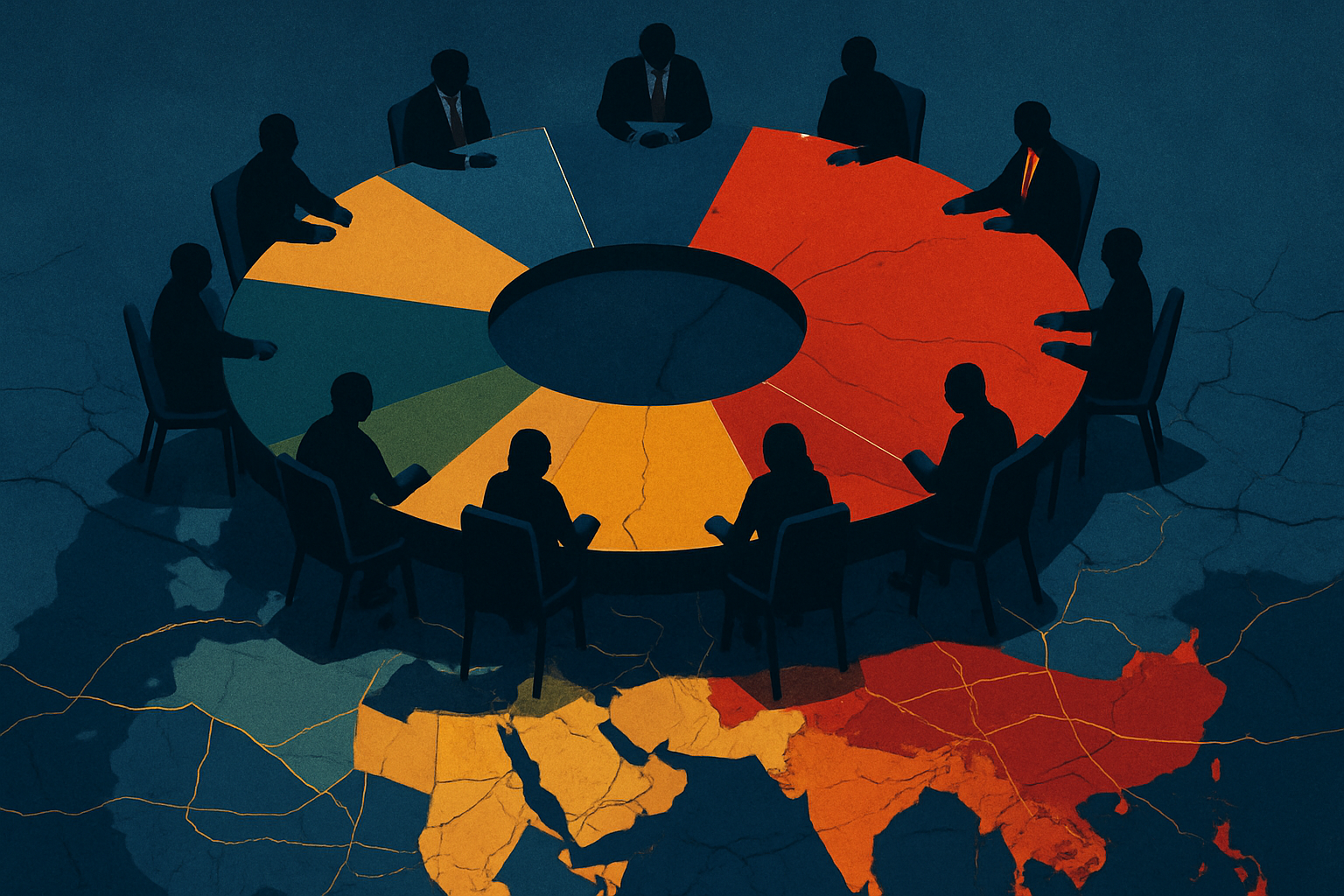
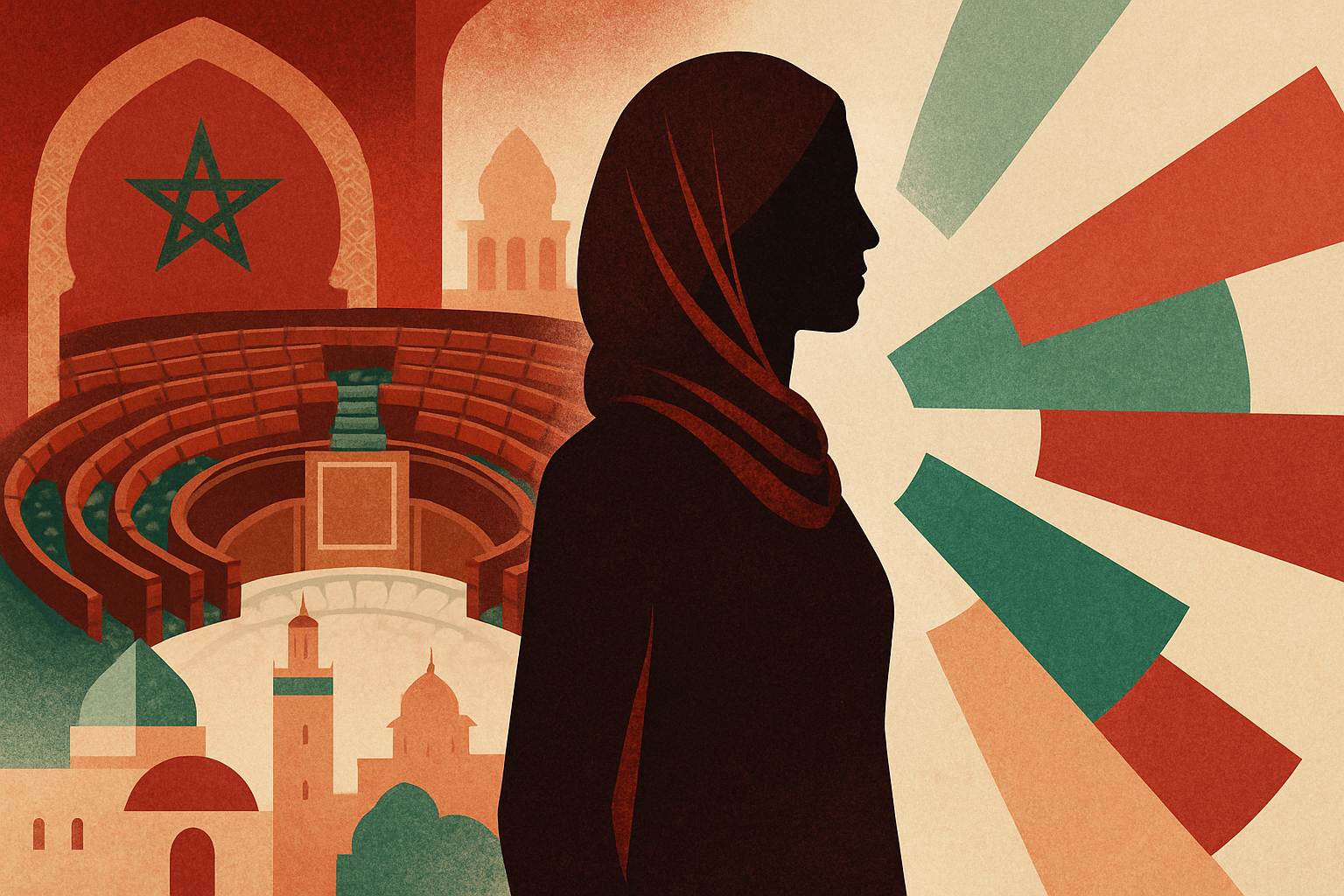
BRICS has become too large to dismiss as a diplomatic talking shop. But its summit in New Delhi this weekend is also a test of whether an expanded membership can convert size into influence.
Leaders are meeting in India on September 12–13 for the 18th BRICS summit, the first at this level since the grouping expanded to 11 members. India, which holds the bloc’s rotating chair, has placed “resilience, innovation, cooperation and sustainability” at the center of its 2026 agenda.
The official numbers explain why the gathering matters. India’s government says BRICS members account for 49.5% of the world’s population, 40% of global gross domestic product and 26% of global trade. The group now includes Brazil, Russia, India, China, South Africa, Egypt, Ethiopia, Indonesia, Iran, Saudi Arabia and the United Arab Emirates.
Those figures make BRICS a significant platform for countries seeking a greater voice in global institutions. They also give the group potential influence over energy markets, trade routes, development finance and debates about the international monetary system.
But potential is not the same as power. The members do not share a single foreign policy, security outlook or economic model. China and India remain strategic competitors even as their leaders seek to repair ties. Iran and the Gulf states are inside the same expanded framework while holding sharply different positions on regional security. Russia’s confrontation with the West also gives the group’s discussions a geopolitical charge that other members do not always want to own.
That tension is visible in the summit’s timing. Associated Press reporting says wars in Ukraine and the Middle East, along with U.S.-China rivalry, are testing the bloc’s ability to speak with one voice. Leaders have voiced concern about attacks on civilian infrastructure and the protection of nuclear facilities during armed conflict, but broad diplomatic language can conceal substantial disagreement over responsibility and policy.
For India, the summit is both a diplomatic opportunity and a management challenge. New Delhi wants BRICS to reflect the priorities of the Global South without allowing the group to become simply an anti-Western coalition. Hosting the meeting gives Prime Minister Narendra Modi a chance to position India as a bridge: close enough to the United States and its partners to remain influential there, but independent enough to work with China, Russia, Iran and the Gulf states.
The attendance of Chinese President Xi Jinping adds particular weight. China’s Foreign Ministry confirmed that Xi would travel to New Delhi at Modi’s invitation. The two leaders also met on the summit’s sidelines, according to the Associated Press, in the latest effort to stabilize relations strained by a deadly border clash six years ago. That bilateral relationship may matter more to the summit’s practical atmosphere than any carefully negotiated communique.
The enlarged BRICS is therefore best understood as a bargaining platform, not a military alliance or a unified alternative government. Its members can cooperate where interests overlap—on development, payments, energy, technology and calls for a more representative international system—while remaining divided on wars, sanctions and the shape of global leadership.
The question after New Delhi will be whether India can turn that flexible arrangement into something more durable. If the bloc produces concrete financial, energy or development mechanisms, its expansion may mark a real shift in global bargaining power. If it produces only declarations that avoid the hardest disagreements, BRICS will remain large, visible and influential in theory—but limited in practice.
Sources & Further Reading
StoryBreak
Independent digital news and reporting, updated throughout the day.
This article was researched and drafted with AI assistance and reviewed as part of StoryBreak's editorial process before publication. Read our editorial standards.