
China Raises Stakes Ahead of Trump-Xi Summit With Warning Over Taiwan Arms Sales
Beijing has reportedly told Washington that new arms sales to Taiwan before Xi Jinping’s visit could put the Trump-Xi summit at risk. The warning arrives as both governments pursue cooperation on trade and artificial intelligence, making Taiwan the clearest test of whether their rivalry can be contained.
By StoryBreak
Published September 21, 2026 at 11:01 PM
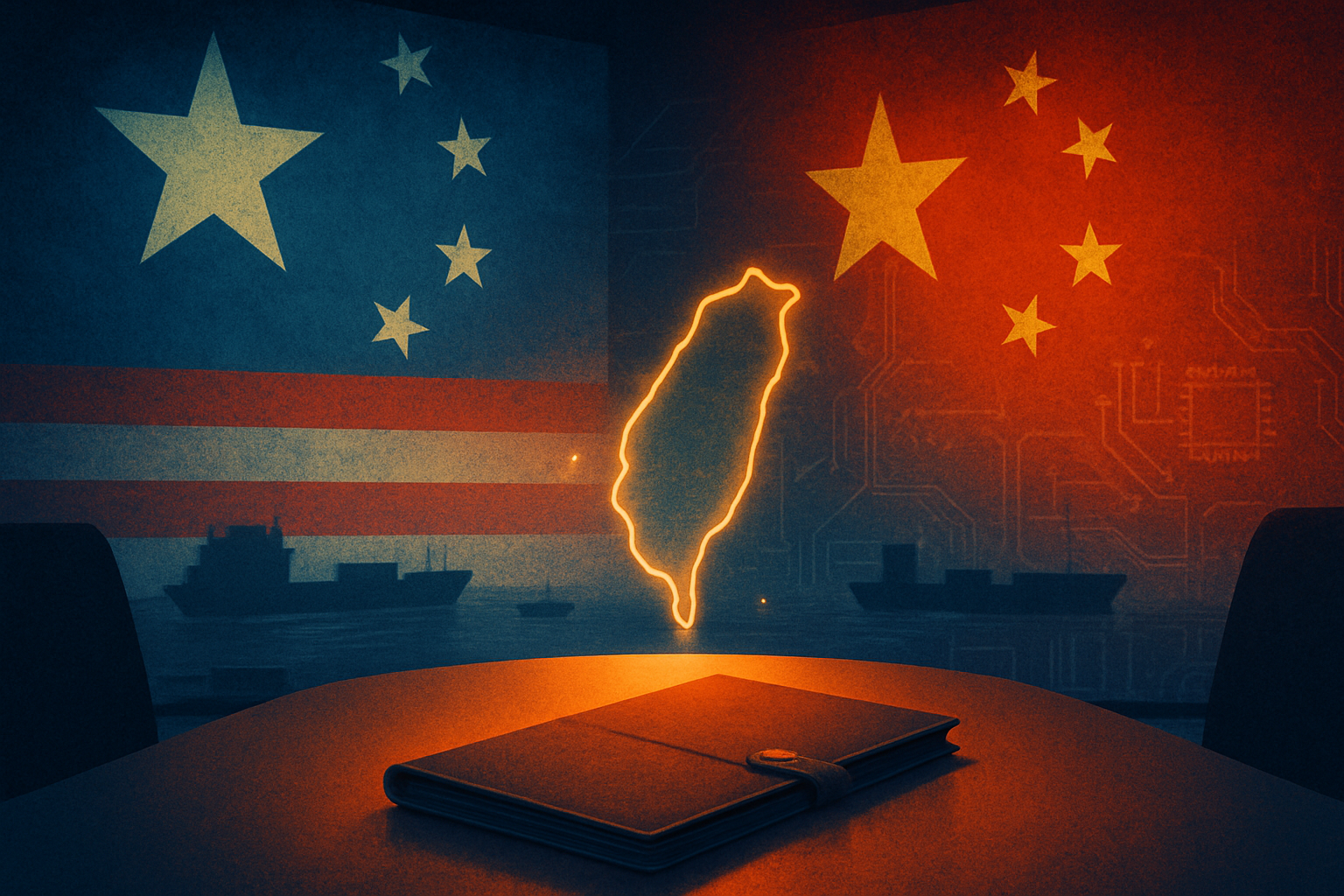
China has raised the stakes ahead of President Xi Jinping’s visit to Washington, warning through private channels that new U.S. arms sales to Taiwan before the meeting could endanger the summit, according to independent reporting.
Xi is scheduled to visit the United States from September 23 through September 25, with President Donald Trump set to host him at the White House on September 24. The visit is the centerpiece of an effort to keep the U.S.-China relationship from sliding back into open economic confrontation.
But Taiwan remains the relationship’s most dangerous fault line. Beijing claims the self-governed island as part of China and opposes U.S. weapons sales to Taipei. Washington, while maintaining its longstanding policy of strategic ambiguity, has continued to support Taiwan’s ability to defend itself.
The immediate issue is not a confirmed new military action, but the timing of a possible arms announcement. Reporting from the South China Morning Post and other outlets indicates that Chinese officials have pressed Washington to delay any new sale until after Xi’s visit. The reported message is blunt: a decision viewed in Beijing as a provocation could threaten the leaders’ meeting itself.
That pressure puts Trump in a difficult position. He has previously described potential arms sales to Taiwan as a bargaining chip in negotiations with China, a departure from the traditional U.S. practice of avoiding the appearance that Beijing has a veto over American defense decisions involving Taiwan. Any delay could reassure Beijing, but it could also unsettle Taiwan and other U.S. partners in Asia.
The tension is especially striking because Washington and Beijing are not simply preparing for confrontation. Treasury Secretary Scott Bessent and Chinese Vice Premier He Lifeng have been holding talks on the economic relationship, including trade issues and a proposed system for notifying each other about artificial-intelligence incidents that could affect national security.
That combination—military pressure alongside economic and technological cooperation—may define the summit more than any single announcement. The question is not whether the two governments disagree. They clearly do. The question is whether they can prevent one disagreement from shutting down every other channel.
For markets, companies and consumers, the consequences extend beyond Taiwan. A breakdown could revive tariff threats, complicate access to critical minerals and technology, and deepen uncertainty for businesses that depend on U.S.-China trade. For Taiwan, the stakes are more immediate: a decision made to protect summit diplomacy could be interpreted as a signal about the reliability of American support.
The first thing to watch is whether Washington approves, postpones or narrows any Taiwan weapons package before Xi arrives. The second is the summit’s language. If Trump and Xi describe Taiwan as a subject for continued dialogue, they may preserve room for maneuver. If either side presents the issue as a red line, the meeting could produce cordial images without reducing the risk of a future crisis.
The summit is therefore less a test of personal chemistry than of crisis management. A successful meeting would not resolve the Taiwan dispute. It would show that the dispute can be managed without making every other part of the relationship hostage to it.
Sources & Further Reading
StoryBreak
Independent digital news and reporting, updated throughout the day.
This article was researched and drafted with AI assistance and reviewed as part of StoryBreak's editorial process before publication. Read our editorial standards.