‘Fast & Furious’ Is Coming to Peacock—but the Real Test Starts After the Movies
Peacock has ordered its first live-action Fast & Furious series for a planned 2028 debut. The move could turn the blockbuster film franchise into a lasting television universe, but the show still has no announced title, cast or story.
By StoryBreak
Published October 2, 2026 at 6:01 PM
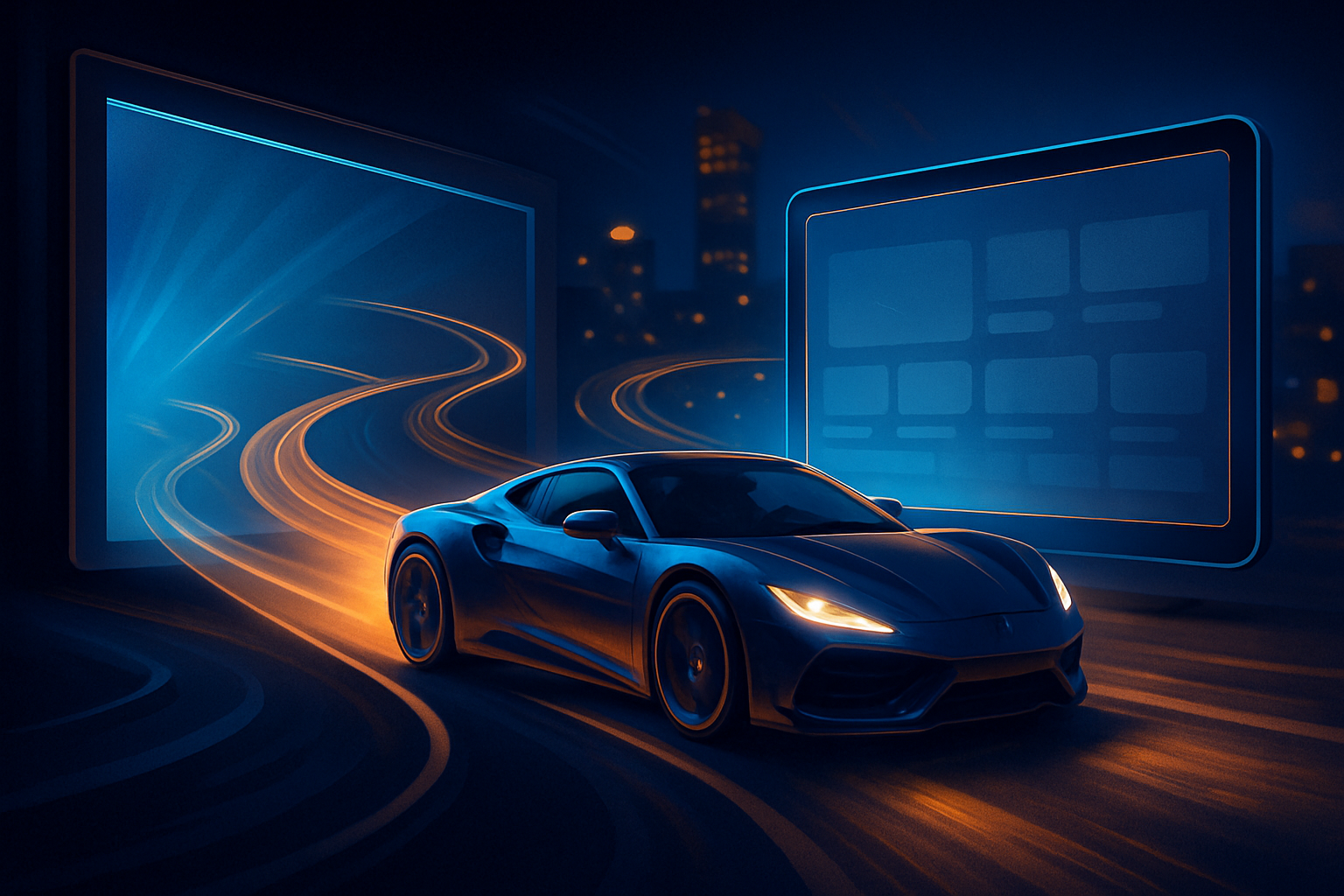
The Fast & Furious franchise is finally moving to television in a meaningful way.
Peacock has ordered its first scripted live-action series set in the automotive action universe, with a premiere targeted for 2028. Mike Daniels and Wolfe Coleman will write the pilot and serve as co-showrunners. Vin Diesel, who has played Dominic Toretto since the 2001 original, will executive produce alongside One Race’s Sam Vincent, Original Film’s Neal H. Moritz and Pavun Shetty, and longtime franchise producers Jeff Kirschenbaum and Chris Morgan.
The project remains deliberately short on specifics. It has no announced title, cast, plot or exact release date. Peacock and Universal Television have confirmed the order, but they have not said whether the series will follow established characters, introduce a new crew or operate somewhere between those two approaches.
That uncertainty matters because the franchise’s television strategy has already been easy to overstate. At NBCUniversal’s May upfront presentation, Diesel said Peacock was launching four shows from the Fast & Furious universe. The confirmed order is one series. Other projects may exist at earlier stages, but they should not be treated as four comparable productions already headed to viewers.
The timing makes the decision more consequential. Fast & Furious is approaching the next phase of its life as a theatrical franchise, with Fast Forever currently scheduled for March 17, 2028. The series is therefore being developed not simply as another spinoff, but as part of a transition: Universal is preparing a television extension while the film saga moves toward its planned final chapter.
For the studio, television offers something the movies cannot easily provide. A theatrical Fast & Furious installment must justify a massive global marketing campaign and deliver a new level of spectacle—new locations, larger stunts and increasingly elaborate digital effects. A series can spread character development across episodes, revisit the franchise’s street-racing roots or build new corners of the universe without requiring every story to function as a two-hour international event.
That does not mean television will make the franchise cheap. The brand is identified with cars, stunts and physical action, and audiences may regard a lower-scale version as a retreat rather than an expansion. The creative challenge will be to decide what viewers are actually returning for: the familiar faces, the family mythology, the racing culture or the promise that every installment will attempt something more outrageous than the last.
There is also a strategic distinction between extending a franchise and preserving it. The Fast & Furious films have generated more than $7 billion worldwide across 11 entries, giving Universal a valuable global brand. But that success raises the standard for the series. A television show cannot rely solely on recognition; it has to establish a repeatable format capable of sustaining interest week after week.
The Daniels-Coleman appointment suggests that Peacock is at least treating the project as a writers-driven series rather than a branded content experiment. Their job will be to build stories that can stand apart from the films while remaining recognizably part of the same world. Whether Diesel appears on screen is also unresolved—and may be one of the clearest signals of whether the show is meant to be a direct continuation or a new entry point.
The next announcements will reveal more than the premise. Casting, production scale and the relationship to Fast Forever will show whether Universal sees television as a durable second lane for the franchise or as a bridge to keep the brand visible after the films conclude. For now, Peacock has secured the green light. The harder part—proving that Fast & Furious can become a television engine without losing its identity—has not started yet.
Sources & Further Reading
- PeacockPrimary source
- NBCUniversal MediaPrimary source
- Variety
- TheWrap
- Reuters
StoryBreak
Independent digital news and reporting, updated throughout the day.
This article was researched and drafted with AI assistance and reviewed as part of StoryBreak's editorial process before publication. Read our editorial standards.