World Food Prices Reach Highest Level Since 2022 as War and Weather Disrupt Supplies
The FAO Food Price Index rose 1.9% in August to its highest level since November 2022, with extreme heat, drought, El Niño risks and disruptions to Black Sea trade pushing up prices for grains, sugar, oils, meat and dairy.
By StoryBreak
Published September 6, 2026 at 1:00 AM
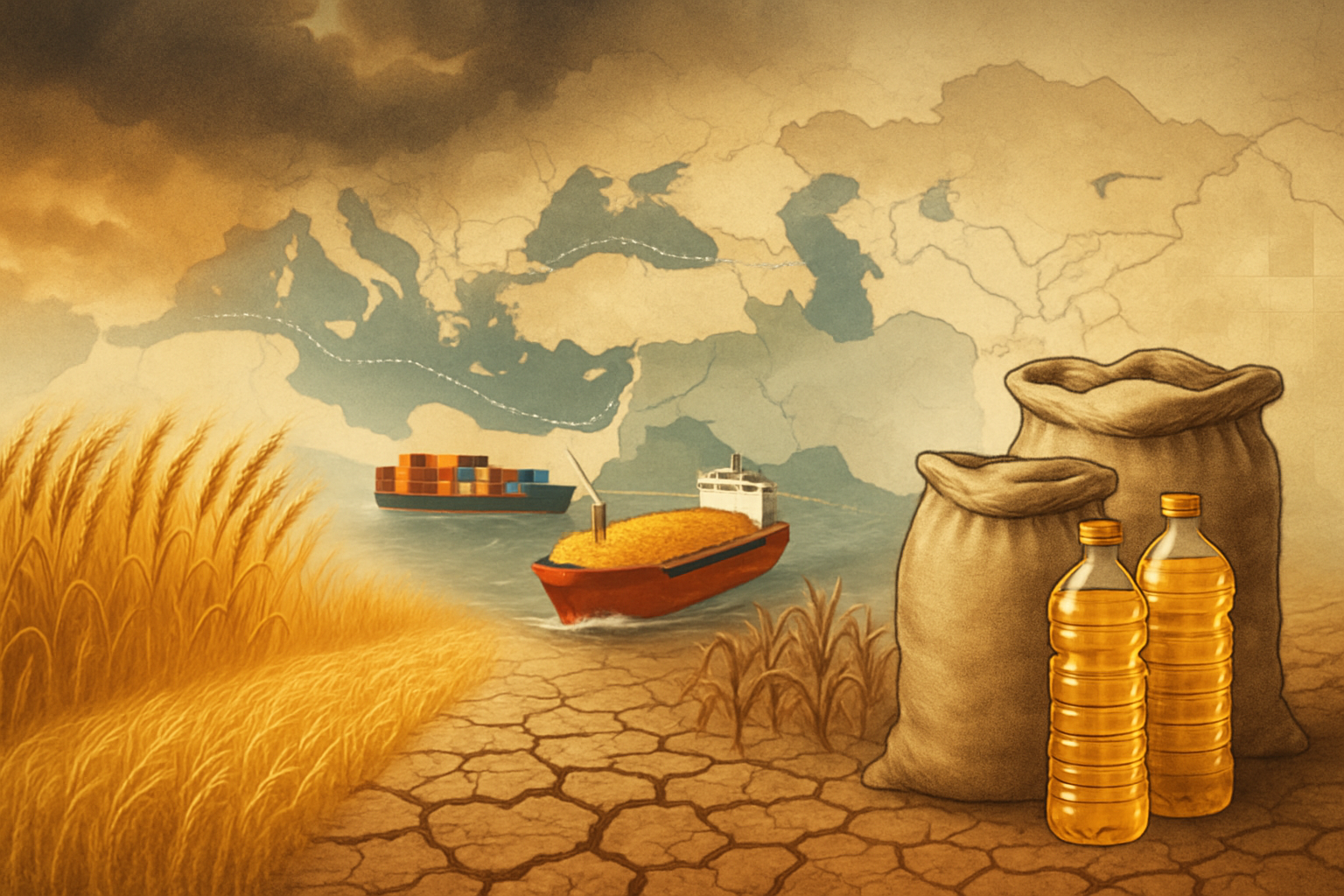
Global food commodity prices climbed to their highest level since late 2022 in August, as extreme weather and conflicts disrupted trade and raised fresh concerns about supplies of staple foods.
The United Nations Food and Agriculture Organization’s Food Price Index averaged 133.3 points last month, up 1.9% from a revised July reading and 2.5% higher than a year earlier. The index tracks international prices for a basket of cereals, vegetable oils, sugar, meat and dairy products; it is not a direct measure of grocery prices paid by consumers.
The August reading was the highest since November 2022, although it remained nearly 17% below the record reached in March 2022, shortly after Russia’s full-scale invasion of Ukraine.
“Climate shocks, geopolitical tensions and disrupted trade logistics are converging to tighten supply expectations,” FAO Chief Economist Maximo Torero said as the data were released.
All five categories tracked by the FAO rose during the month. Sugar recorded the sharpest increase, jumping 11.9% to its highest level since June 2025. The agency linked the rise to weaker production prospects in Brazil, weather concerns affecting sugar beet crops in Europe and the potential impact of El Niño on Asian output.
The cereal index increased 2.2%, reaching its highest level since May 2024. Wheat prices rose 2.6% in August and were 15% above their level a year earlier, according to the FAO. Persistent disruption to Black Sea export logistics, hot and dry conditions in parts of Europe and strong import demand all contributed to the increase.
Maize prices rose 2.5% as crop prospects deteriorated in parts of the United States and European Union. The FAO also cited demand from the animal-feed and ethanol sectors, disruption to agricultural inputs and interruptions to Ukrainian export flows.
Vegetable oil prices increased 1.1%, driven largely by palm and soy oil. Concerns about El Niño-related conditions in Southeast Asia added to uncertainty over future production. Dairy prices rose 2.3%, partly because hot, dry weather tightened milk supplies in the European Union, while meat prices increased 1%.
The pressure on markets is being amplified by conflict. Attacks and other disruptions in the Black Sea have affected shipments from Russia and Ukraine, two of the world’s major grain suppliers. Separately, fighting involving the United States and Iran has strained fertilizer flows and added to uncertainty over transport and farm input costs.
The FAO’s latest production outlook suggests that supplies remain substantial but are becoming less comfortable. Global cereal production in 2026 is forecast at 2.98 billion tonnes, down 2% from 2025. That would still be the second-largest harvest on record, but the agency said the decline would be the biggest year-on-year drop since 2018.
World cereal stocks at the end of the 2026-27 season are projected at 947.2 million tonnes, only marginally above the previous season. The estimated stocks-to-use ratio is expected to remain relatively comfortable by historical standards, meaning the latest data do not point to an immediate global shortage.
But the combination of smaller projected harvests, weather volatility and vulnerable trade routes leaves markets more exposed to further shocks. A prolonged disruption in the Black Sea, worsening drought or a strong El Niño could intensify competition for supplies and add to food inflation in import-dependent countries.
For consumers, the impact will depend on how long commodity prices remain elevated, as well as on currency movements, energy costs, transport prices and domestic government policies. International price increases can take time to reach supermarkets, and the effect varies widely from country to country.
Sources & Further Reading
StoryBreak
Independent digital news and reporting, updated throughout the day.
This article was researched and drafted with AI assistance and reviewed as part of StoryBreak's editorial process before publication. Read our editorial standards.