
Google Fi adds support for a second 5G network, won’t say which one
Google Fi’s new Super Network can move eligible Pixel phones between two U.S. 5G networks. The company has not identified the carriers by name in its announcement, and the feature requires an eSIM.
By StoryBreak
Published November 11, 2026 at 11:01 AM EST
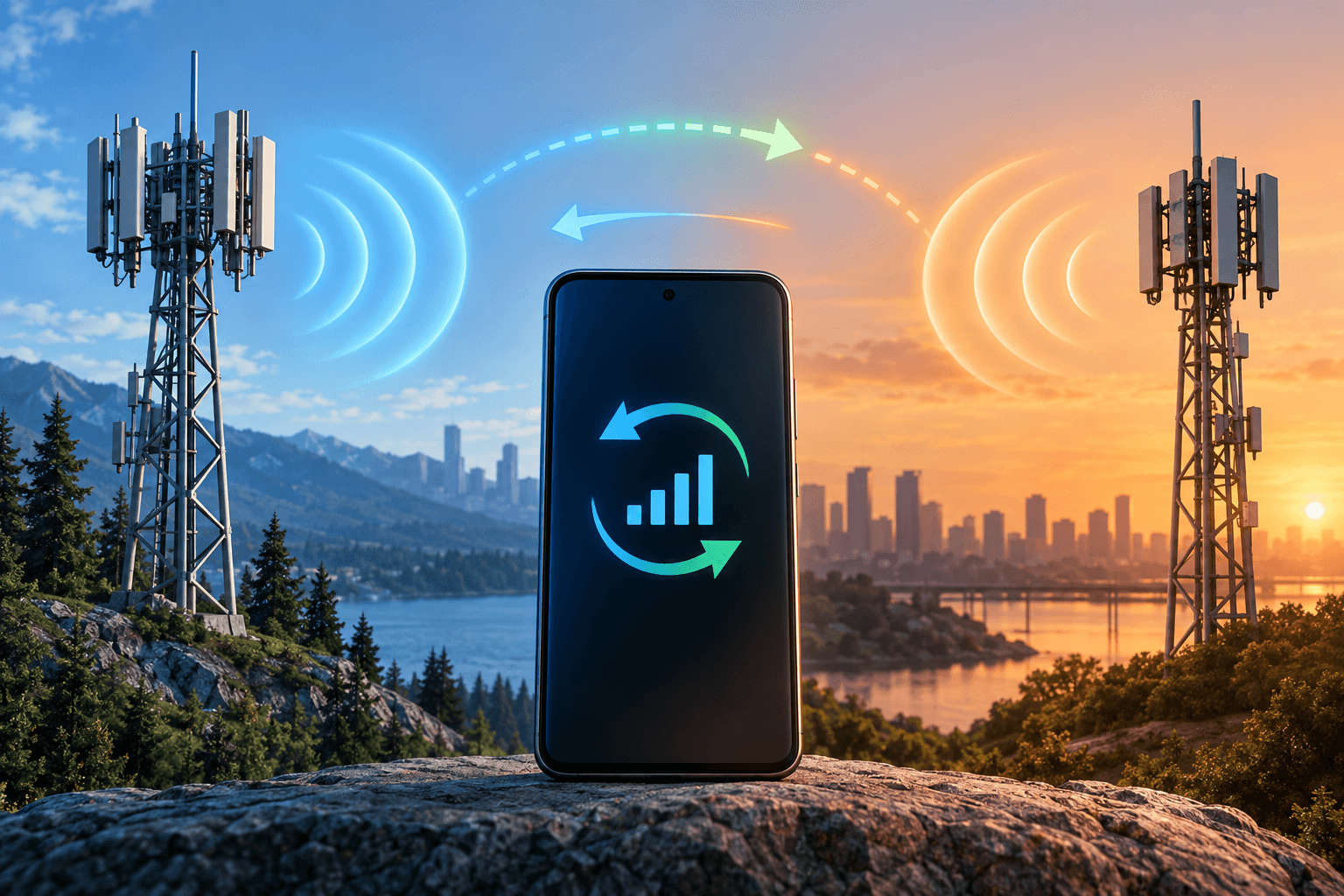
Google Fi announced its Super Network, a feature that can automatically move compatible phones between two U.S. 5G networks. The company has not identified either network by carrier name in its announcement or on its product page.
The feature began rolling out to Pixel 9 and newer phones. Domestic access is available on U.S.-market devices in that range, while phones that do not qualify continue using Google Fi’s primary network.
Google Fi says the capability is included with every plan at no additional cost. The service compares the available connections and changes the data connection automatically, without requiring users to select a network manually.
The decision is based on several conditions. Google Fi evaluates signal strength, network availability, speed, latency and the phone’s battery state before switching. The alternate network is used when it offers a significantly better connection.
The technology depends on the phone’s eSIM configuration. Fi service must be active on an eSIM, and other SIMs must be disabled. Physical SIM cards do not support the dual-carrier setup required for the feature.
Google Fi’s support documentation describes the system as using Multiple Enabled Profile technology. That arrangement keeps two carrier profiles active on eligible phones, allowing the service to change the data connection when conditions favor the alternate network.
Calls made while the phone is connected to the secondary network use the phone’s data connection, according to Google Fi’s help documentation. The network-switching feature applies to domestic service on eligible Pixel devices.
Google Fi previously operated on one U.S. cellular network before introducing this capability. Its new service can switch between T-Mobile 5G and another 5G network, but the second carrier has not been publicly identified in the announcement.
For now, the available record establishes how the switching works and which phones can use it, but not the identity of the other carrier. Google Fi’s initial rollout covers Pixel 9 and newer devices, with eSIM requirements limiting the feature to compatible configurations.
Sources & Further Reading
- Google BlogPrimary source
- Google Fi Wireless HelpPrimary source
- Google Fi WirelessPrimary source
- Ars Technica
StoryBreak
Independent digital news and reporting, updated throughout the day.
This article was researched and drafted with AI assistance and reviewed as part of StoryBreak's editorial process before publication. Read our editorial standards.