
Morocco Names Fatima Ezzahra El Mansouri as First Female Prime Minister
King Mohammed VI has appointed Fatima Ezzahra El Mansouri to lead Morocco’s next government, making her the country’s first woman prime minister. Her party won the largest parliamentary bloc but must now build a coalition to govern.
By StoryBreak
Published September 30, 2026 at 12:39 AM
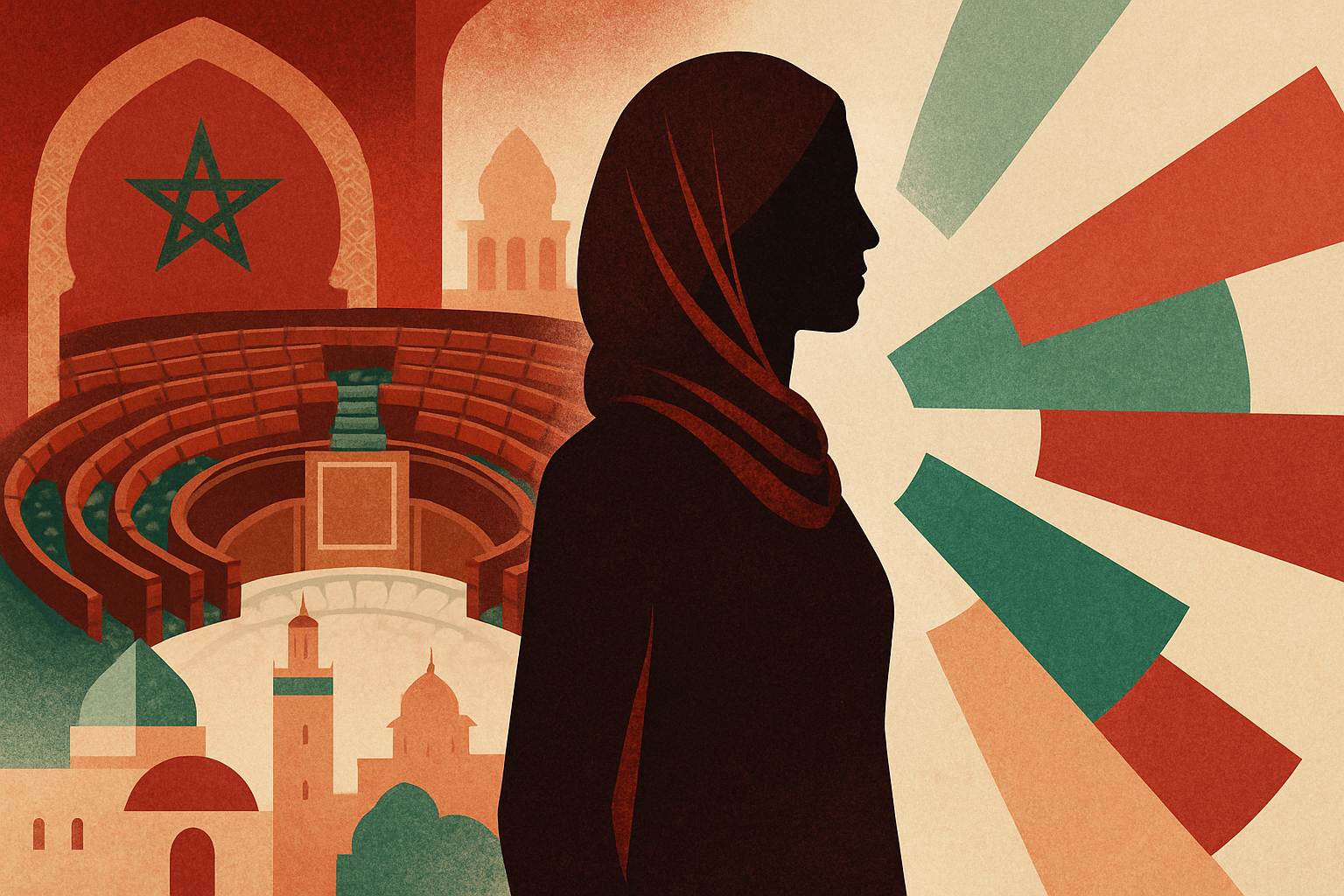
Morocco has appointed its first woman to lead the government, marking a historic change at the top of the North African kingdom’s executive branch.
King Mohammed VI named Fatima Ezzahra El Mansouri head of government on September 29, 2026, and tasked her with forming a new cabinet. The appointment was announced by Morocco’s Ministry of the Royal Household and published through the government’s official portal.
El Mansouri, 50, is the national coordinator of the collective leadership of the Authenticity and Modernity Party, or PAM. She has also served as mayor of Marrakesh and as minister responsible for national territory planning, urban planning, housing and city policy.
Her appointment followed parliamentary elections held on September 23. PAM emerged with the largest number of seats in Morocco’s 395-member House of Representatives, winning 97, according to official election information. That result gives El Mansouri the strongest claim to form a government under Morocco’s constitutional system, but it does not give her party control of parliament.
The numbers define the task ahead. A majority requires 198 seats, leaving PAM 101 short. Its 97 seats represent about 24.6% of the chamber, meaning El Mansouri will need partners from other parties to pass legislation and sustain a governing program.
That coalition-building will be the first practical test of an appointment that carries enormous symbolic weight. El Mansouri is the first woman to become Morocco’s head of government and, according to Al Jazeera, only the second woman to lead a national government in the Arab world, after Tunisia’s Najla Bouden.
In a televised address reported by Al Jazeera, El Mansouri described the appointment as historic and said it was a source of pride for Moroccan women. But the significance of representation will be measured alongside the government’s ability to respond to pressure over jobs, public services and social conditions.
The new administration will also inherit a substantial investment agenda. Morocco is preparing for the 2030 FIFA World Cup, which it will co-host with Portugal and Spain. The government that El Mansouri assembles will help determine how billions of dollars in infrastructure and related investment are allocated, making the coalition negotiations consequential beyond the symbolism of the appointment.
Morocco’s political structure also places the moment in perspective. The king remains the country’s highest political authority, while the head of government is drawn from the party that wins the most seats in parliamentary elections. El Mansouri’s appointment therefore represents both a breakthrough in women’s political leadership and the operation of a system in which the monarchy retains decisive influence.
The next question is not whether El Mansouri has made history. She has. It is whether she can translate that breakthrough into a stable coalition and an effective government. The cabinet she proposes, and the parties willing to join it, will show how much room the historic appointment creates for political change in practice.
Sources & Further Reading
StoryBreak
Independent digital news and reporting, updated throughout the day.
This article was researched and drafted with AI assistance and reviewed as part of StoryBreak's editorial process before publication. Read our editorial standards.