Scientists May Have Found Why ‘Pregnancy Brain’ Happens
A new Nature study points to dopamine-driven remodeling in a memory-related brain region—but the strongest evidence comes from mice, not clinical tests of pregnant people.
By StoryBreak
Published September 21, 2026 at 11:29 PM
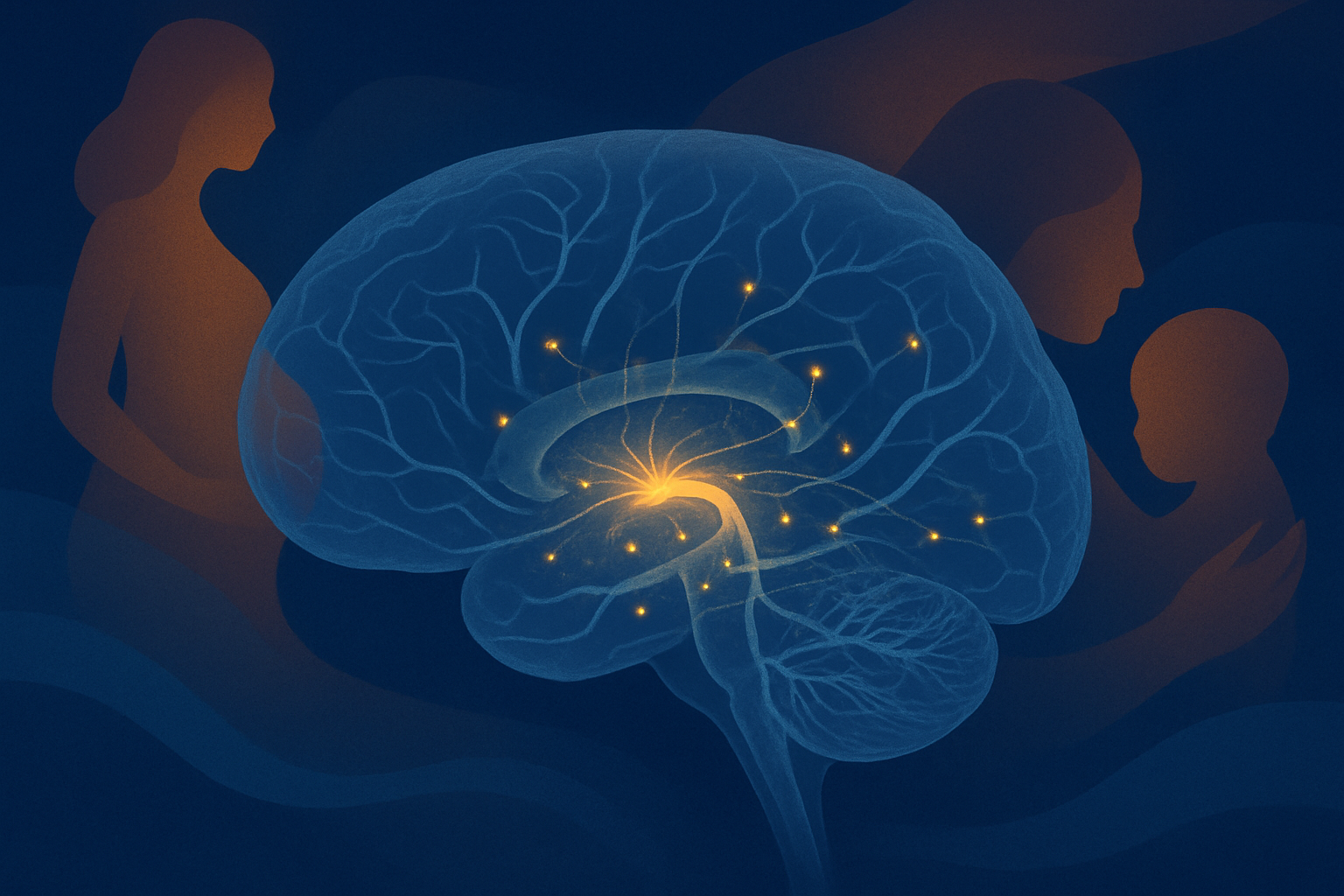
For years, “pregnancy brain” has been treated as either a punchline or a vague complaint: losing a train of thought, forgetting an appointment or struggling to focus. A new study suggests there may be a more precise biological story underneath it.
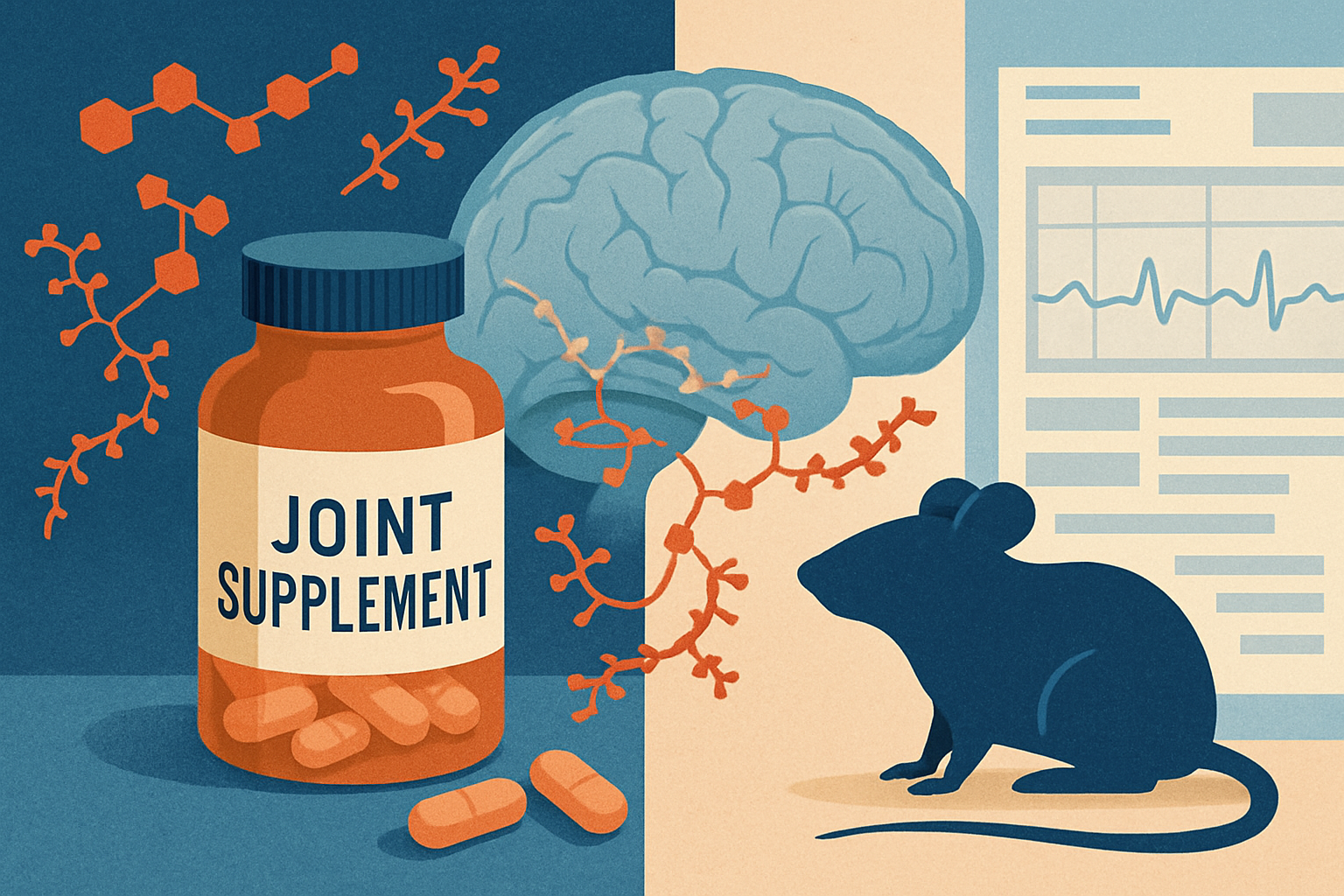
Researchers writing in Nature found that reproductive experience can leave lasting molecular marks in the brain, especially in the dorsal hippocampal formation, a region involved in learning and memory. In mice, the changes were linked to dopamine, a chemical messenger involved in motivation, learning and reinforcement.
The work does not show that pregnancy damages the brain. Instead, it points to remodeling: reproductive experience changed which genes were active in particular brain cells and altered chemical tags on proteins associated with gene regulation. Those changes remained after the animals had gone through pregnancy, birth, nursing and care of their young.
That distinction matters. The popular phrase “pregnancy brain” implies a general decline in mental ability. The new research describes something more selective and potentially adaptive—an adjustment in brain systems that help an animal respond to the demands of parenting. The hippocampal formation is not only a memory structure; it also helps organize information about places, events and behavior.
The researchers used several approaches to trace the pathway. They examined gene activity across multiple brain regions, focused on the dorsal hippocampal formation, manipulated dopamine-related signaling in mice and studied how stress after birth affected the molecular changes. Their results indicated that appropriate dopamine activity was necessary for maintaining some of the reproductive-experience-related adaptations. In the study’s stress model, disrupting dopamine-related processes interfered with those changes.
The paper also reported related molecular patterns in human brain tissue, particularly in the dorsal subiculum, a region connected to the hippocampal formation. That finding makes the work more relevant to humans, but it is not the same as showing that pregnant people experience the same process in the same way. The human evidence was not a before-and-after experiment tracking memory throughout pregnancy.
That limitation is important because human research on “pregnancy brain” has never produced a simple verdict. Some studies have found modest changes in verbal recall or specific learning processes. Other research has found no broad difference between pregnant and non-pregnant participants on standard cognitive tests. People’s subjective experiences can also be shaped by factors that accompany pregnancy and early parenthood, including disrupted sleep, stress, anxiety, hormonal shifts and the constant mental demands of preparing for a baby.
Earlier MRI studies have shown that pregnancy can alter the structure and connectivity of the human brain. Those changes have been associated in some studies with social cognition and attachment, leading researchers to consider whether at least part of the transition to parenthood reflects functional adaptation rather than deterioration.
The new study adds a possible molecular mechanism to that picture. Dopamine may help convert the temporary hormonal and behavioral upheaval of pregnancy and early motherhood into longer-lasting changes in gene regulation within memory-related circuits.
But it is too early to turn that possibility into medical advice—or to say that scientists have fully solved pregnancy brain. The study combined pregnancy, childbirth, lactation and maternal care in its main animal model, making it impossible to identify pregnancy as the sole cause. And a molecular change in a mouse hippocampus does not automatically translate into a measurable memory problem in humans.
The next step is human research that follows participants from before pregnancy through pregnancy and the postpartum period, pairing cognitive tests with brain imaging, hormone measurements and, where possible, molecular markers. That work could help separate genuine changes in memory from the effects of sleep loss and stress—and show whether the brain’s apparent trade-offs are actually helping new parents prioritize infant-related information.
For now, the best interpretation is narrower than the slogan: pregnancy may trigger a broad biological reorganization of the brain, and dopamine-driven changes in memory-related circuits may be one piece of it. “Pregnancy brain” may feel like decline. Biologically, it may be the brain adapting to a radically different job.
Sources & Further Reading
- NaturePrimary source
- Nature
- National Institutes of Health
- Nature NeurosciencePrimary source
- European Journal of Obstetrics & Gynecology and Reproductive BiologyPrimary source
StoryBreak
Independent digital news and reporting, updated throughout the day.
This article was researched and drafted with AI assistance and reviewed as part of StoryBreak's editorial process before publication. Read our editorial standards.