Pumpkin spice season keeps starting earlier - and Americans appear ready for fall
Pumpkin spice drinks, foods and fall merchandise are arriving while summer temperatures are still lingering, but consumers appear ready for the early change of seasons as Starbucks reports its biggest fall-menu launch day ever.
By StoryBreak
Published August 29, 2026 at 10:18 PM
Updated September 7, 2026 at 12:18 AM
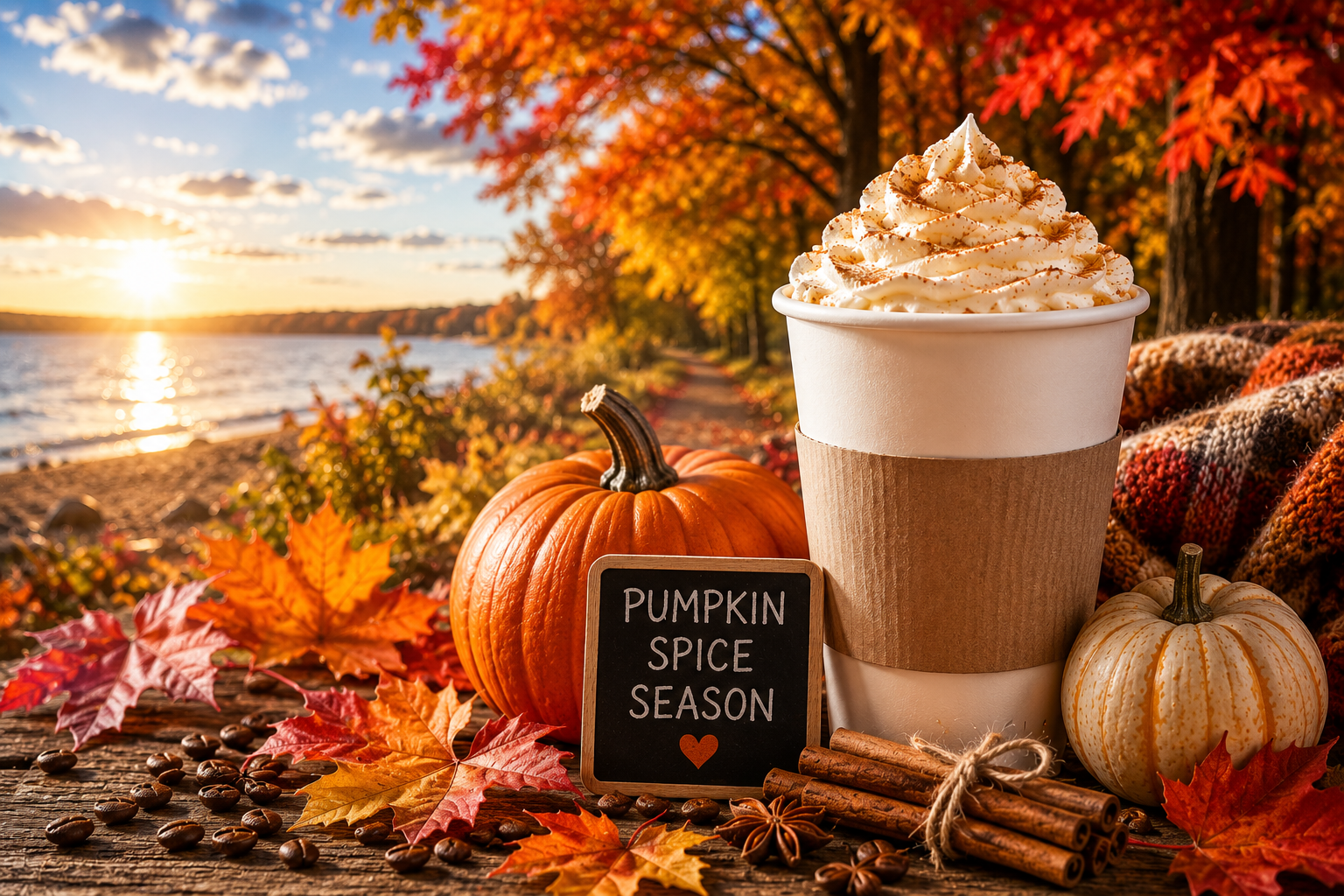
The calendar still says summer, but walk into a coffee shop or grocery store and it may already feel like fall.
Pumpkin spice drinks are back. Seasonal snacks are appearing on shelves. Orange-and-brown merchandise is filling displays, and businesses are increasingly inviting customers to embrace autumn weeks before the season officially begins.
This year, consumers appear more than willing to go along with it.
Starbucks brought its Pumpkin Spice Latte back on Aug. 25, nearly a month before the official beginning of fall. Just days later, the company announced that the launch produced the strongest fall-menu launch day in Starbucks history across the United States and Canada.
Pumpkin spice season arrives before September
The early arrival isn't limited to one coffee chain.
Dunkin' rolled out its 2026 fall lineup on Aug. 19, even earlier than Starbucks, while pumpkin-flavored products have been appearing across grocery aisles well before Labor Day.
Starbucks' grocery-store pumpkin products began reaching retailers in early August.
The result is a phenomenon sometimes called “seasonal creep” — businesses begin promoting a holiday or season earlier in an effort to extend the period during which consumers buy seasonal products.
And fall may be particularly well suited for it.
Lilly Jan, a food and beverage management expert at Cornell University, says pumpkin spice has become more than a flavor. It serves as a seasonal ritual that gives consumers a reason to begin looking forward to autumn even while the weather still feels like summer.
Americans aren't waiting for cool weather
New consumer research suggests many shoppers don't mind the early start.
According to research released by Empower, 34% of Americans say they begin buying pumpkin spice products as soon as they appear on shelves.
Among Gen Z and millennials, that number rises to 45%.
More than half of Americans surveyed — 54% — said purchasing pumpkin spice products is something they look forward to each fall.
Consumers also say they spend an average of about $32 per month on pumpkin spice products during the fall.
Millennials reported considerably higher spending, averaging about $64 per month, compared with $45 for Gen Z, $29 for Gen X and $12 for baby boomers.
Pumpkin spice has grown far beyond coffee
The trend no longer revolves solely around lattes.
Pumpkin spice now appears in cookies, cereal, yogurt, popcorn, pancake mixes, pretzels, creamers and numerous other seasonal foods.
In Empower's survey, baked goods were the most common pumpkin-spice purchase, followed closely by coffee and other beverages.
Candies and snacks, dairy products, breakfast foods and even personal-care products also made the list.
That variety has transformed pumpkin spice from a coffee-shop novelty into an entire seasonal retail category.
Industry estimates cited by FoodNavigator put the global pumpkin-spice market at about $1.25 billion, with projections suggesting it could more than double over the next decade.
The Pumpkin Spice Latte helped create a fall ritual
Starbucks introduced its Pumpkin Spice Latte in 2003.
More than two decades later, the drink has become one of the most recognizable seasonal products in America.
For 2026, Starbucks didn't simply bring the original drink back.
Its fall menu includes returning Pumpkin Cream Cold Brew and Iced Pumpkin Cream Chai alongside new offerings such as an Iced Pumpkin Cream Shaken Espresso, Iced Pumpkin Cream Matcha and Pumpkin Spice Chai.
The company has even expanded the phenomenon into merchandise, offering pumpkin-themed mugs, tumblers, bottles and apparel through a “PSL Society” collection.
Why do companies launch fall so early?
There is a straightforward business reason: extending the season gives companies more time to sell seasonal products.
But the strategy works only if customers are willing to participate.
So far, the evidence suggests they are.
Starbucks' record fall launch this year shows that consumers didn't wait for September — much less the official start of autumn — before ordering seasonal drinks and foods.
Limited availability may also be part of the appeal.
About 24% of Americans surveyed by Empower said the limited-time nature of pumpkin spice makes them more likely to buy it, while 35% said they're loyal to particular brands specifically because of their pumpkin-spice offerings.
Not everyone is joining the pumpkin craze
Pumpkin spice still has its detractors, and rising prices could test consumers' enthusiasm.
Forty-four percent of respondents in the Empower survey said pumpkin-flavored products have become more expensive, while 56% said they try to avoid seasonal price markups.
And at least one major restaurant chain is moving in another direction.
McDonald's has dropped its Pumpkin Spice Latte from its nationwide fall lineup this year and is instead emphasizing caramel-apple-pie flavored coffee drinks.
Still, the broader pumpkin-spice phenomenon shows little sign of disappearing.
Fall has become a feeling, not a date
Astronomical fall doesn't begin until September.
For retailers and many consumers, however, the season increasingly begins whenever the first pumpkin drinks, candles, decorations and foods arrive.
That may explain why pumpkin spice can sell successfully even when temperatures outside are still firmly in summer territory.
The appeal isn't necessarily about the weather.
It's about anticipation — football, Halloween, changing leaves, cooler evenings, sweaters, holidays and the traditions people associate with the months ahead.
And in 2026, Americans apparently didn't need much convincing to start early.
Sources & Further Reading
StoryBreak
Independent digital news and reporting, updated throughout the day.
This article was researched and drafted with AI assistance and reviewed as part of StoryBreak's editorial process before publication. Read our editorial standards.