A Routine Eye Scan May Reveal Heart-Disease Risk Years Before Diagnosis
Artificial-intelligence systems are learning to read subtle patterns in retinal images that correlate with future cardiovascular disease. Researchers say the technology could make routine eye visits an opportunity for earlier risk detection—but it is not yet a standalone heart test.
By StoryBreak
Published September 15, 2026 at 12:44 AM
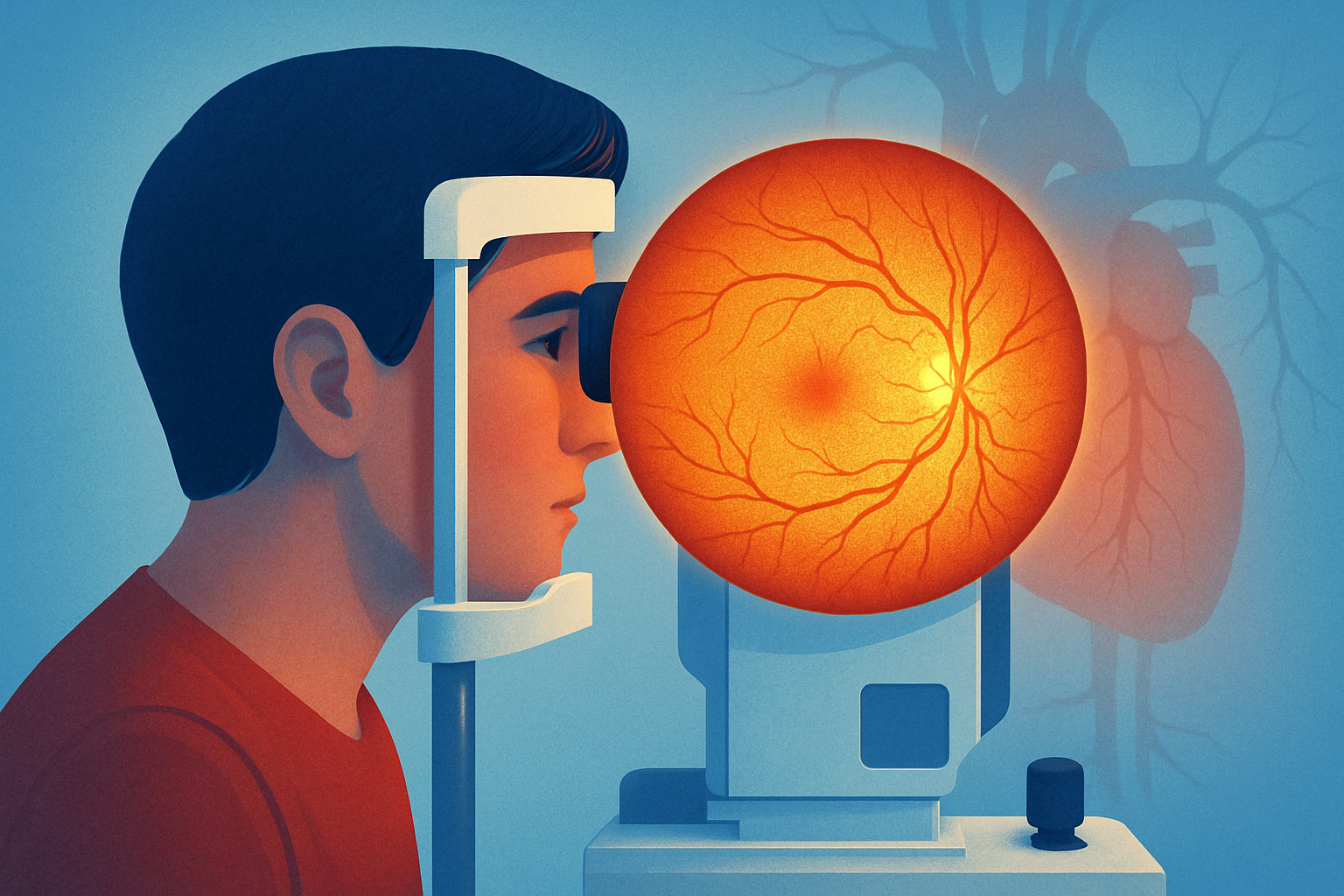
A routine image of the back of the eye may contain clues about a person’s future heart health years before cardiovascular disease is formally diagnosed, according to a growing body of research on artificial intelligence and retinal imaging.
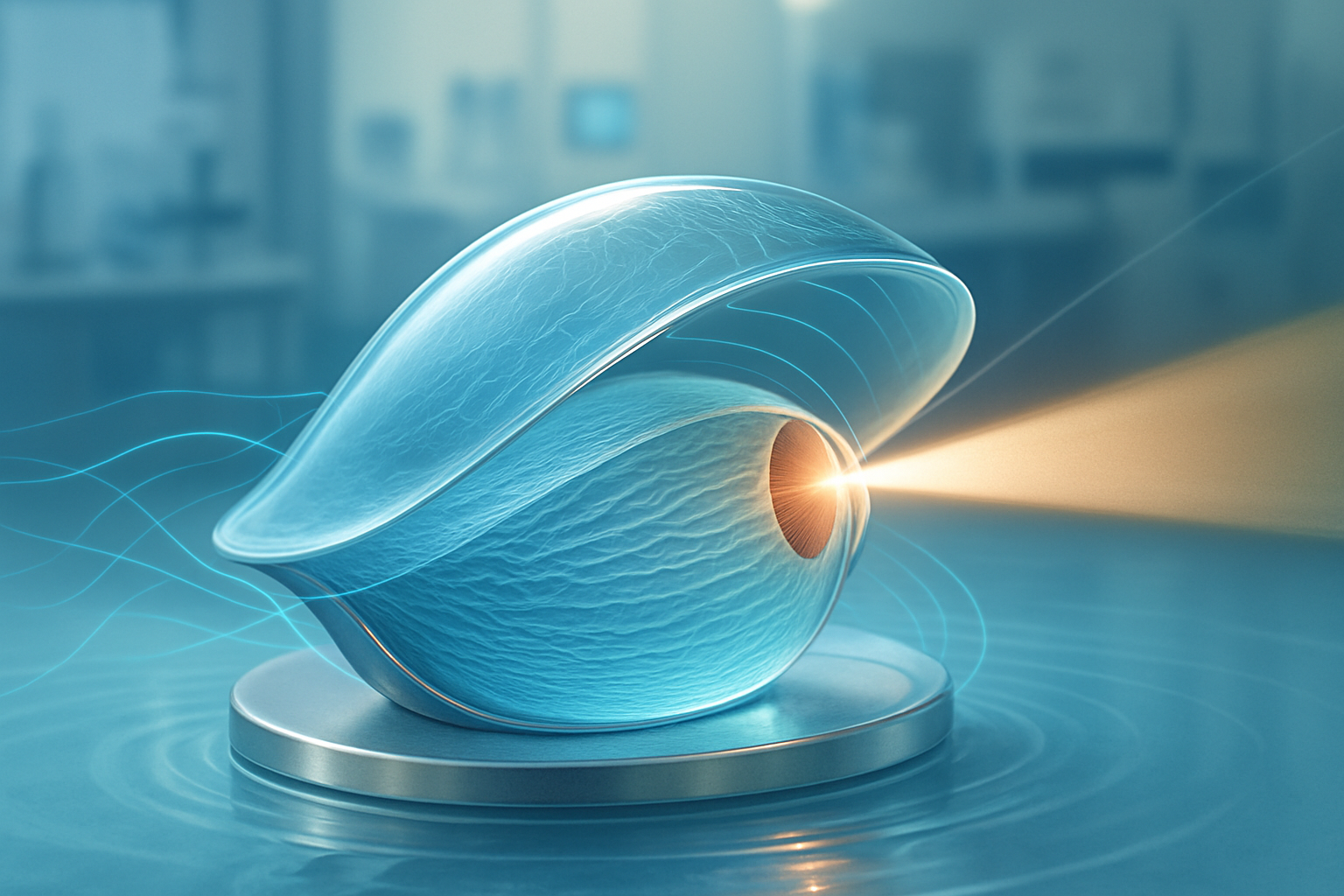
The idea is straightforward: The retina contains tiny blood vessels and other tissue that can be photographed without surgery or radiation. Researchers are training computer models to detect patterns that may be too subtle for a clinician to recognize during an ordinary eye examination—and that may reflect changes occurring elsewhere in the circulatory system.
At the American College of Cardiology’s 2026 scientific meeting, researchers reported that an AI system analyzing standard retinal photographs could identify people whose estimated 10-year risk of heart attack, stroke or related cardiovascular disease was at least 7.5 percent. That threshold is commonly used in cardiovascular prevention to identify people who may warrant closer evaluation for preventive treatment.
The system was not presented as a replacement for a blood-pressure reading, cholesterol test or medical history. Instead, researchers described it as a possible screening tool that could flag people during an eye appointment and prompt follow-up with a primary-care clinician.
Other recent studies suggest the potential may extend beyond broad cardiovascular-risk scores. A study published in Nature Cardiovascular Research reported that AI-derived features from retinal photographs and optical-coherence-tomography images were associated with future heart failure, stroke, hypertension and ischemic heart disease. Another study using retinal OCT scans from the UK Biobank found that an AI model could distinguish people who later experienced a heart attack or stroke within five years from control participants, with moderate predictive performance.
That “within five years” finding is important—but it also illustrates why the headlines need qualification. The models identify statistical patterns associated with later disease. They do not prove that a person has heart failure, predict exactly when an event will occur or show that acting on the result will prevent one.
The most useful comparison is with an early-warning system, not a diagnosis. A concerning eye-scan result could lead to a conventional cardiovascular workup: repeat blood-pressure measurements, cholesterol and glucose testing, assessment of smoking and family history, and—when appropriate—additional cardiac testing. A reassuring scan would not eliminate the need for those assessments.
There are practical advantages. Retinal photography is fast, noninvasive and already available in many optometry and ophthalmology settings. It could potentially reach people who do not regularly see a primary-care clinician. But that convenience creates a responsibility to validate the technology carefully. A model trained mostly on one demographic group may not work equally well in another, and false positives could send healthy people into unnecessary testing while false negatives could create false reassurance.
The next question is therefore not whether an algorithm can find patterns in eye images. Several studies indicate that it can. The question is whether incorporating those predictions into real-world care improves prevention without adding confusion, cost or inequity.
For now, patients should treat retinal AI as an emerging risk-assessment aid—not a substitute for established heart-health checks. The broader message is more immediate: An eye appointment may eventually become another place where silent cardiovascular risk is identified early enough to do something about it.
Sources & Further Reading
StoryBreak
Independent digital news and reporting, updated throughout the day.
This article was researched and drafted with AI assistance and reviewed as part of StoryBreak's editorial process before publication. Read our editorial standards.