U.S. and Iran Reopen Indirect Talks as War Drags Into Its Seventh Month
American and Iranian officials exchanged messages through mediators at the U.N. General Assembly, reopening a diplomatic channel that had gone quiet after a summer ceasefire collapsed. The contact is an opening—but not yet a breakthrough.
By StoryBreak
Published September 24, 2026 at 12:56 AM
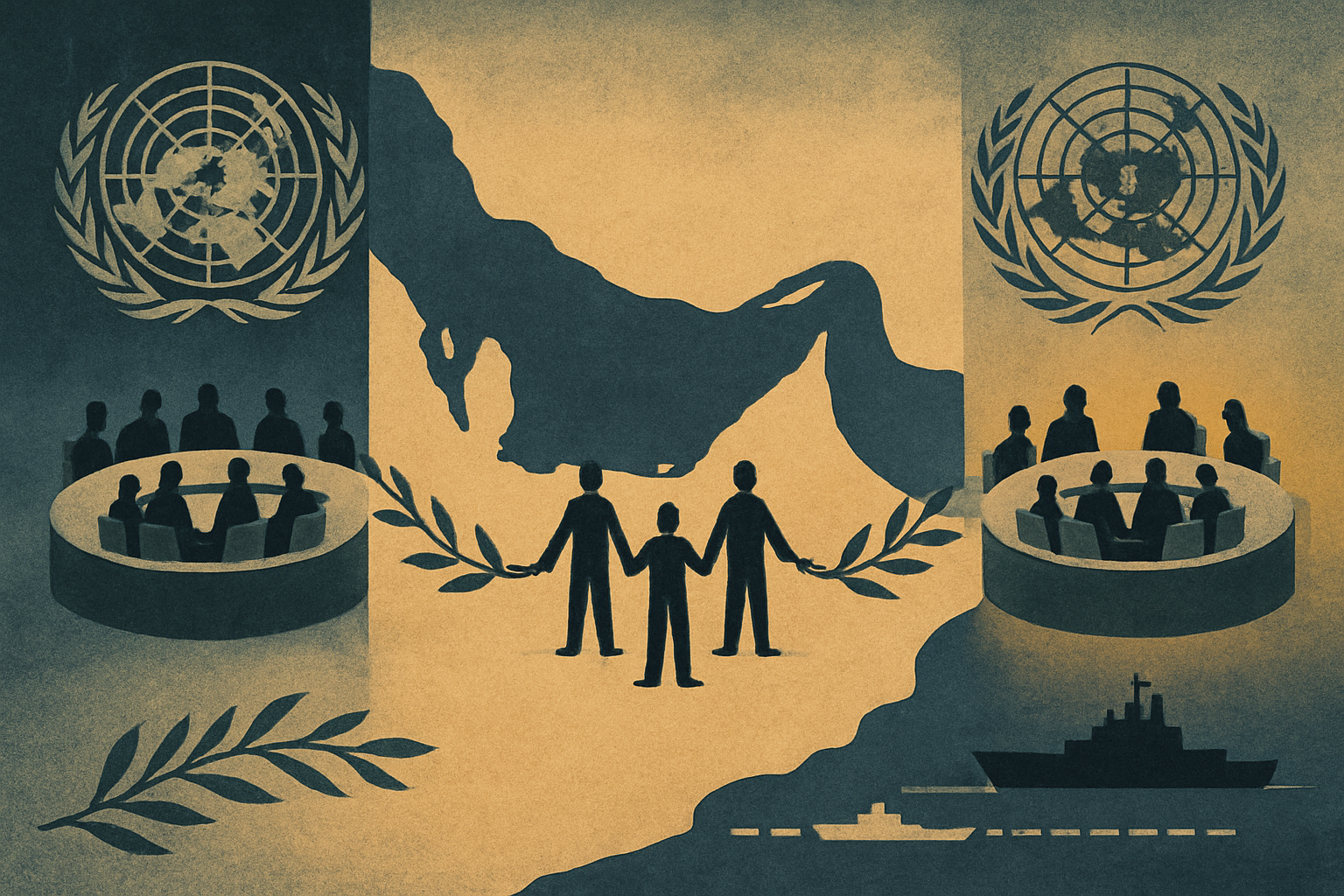
The United States and Iran have reopened a diplomatic channel after months of fighting, with officials from both sides exchanging messages through mediators on the sidelines of the United Nations General Assembly in New York on September 23, 2026.
Iranian Foreign Minister Abbas Araqchi communicated through intermediaries with U.S. envoys Steve Witkoff and Jared Kushner, according to Reuters reporting carried by Al-Monitor and other outlets. The discussions were described as the first such contact in months, after an interim ceasefire and a broader understanding between the two countries unraveled during the summer.
The significance of the meeting lies less in what was agreed than in the fact that communication resumed at all. Neither side announced a new ceasefire, a formal negotiating framework or concessions on the issues that have driven the conflict. The contact was also indirect, meaning the two delegations were not confirmed to have sat down face to face.
That makes the talks a diplomatic opening, not a settlement.
The timing reflects pressure on both governments. The conflict is approaching its seventh month, while Gulf states have been urging a path that could protect regional infrastructure and shipping. The Strait of Hormuz remains central to the crisis: any prolonged disruption would threaten one of the world’s most important energy corridors and raise costs far beyond the Middle East.
Reuters reported that some Gulf energy activity had begun recovering toward prewar levels and that Saudi Arabia had arranged substantial oil deliveries for future months. Those developments suggest markets are trying to price in the possibility of stabilization. They do not show that the waterway has been durably secured or that the conflict is ending.
The diplomatic channel also opened against unusually stark public rhetoric. In his address to the General Assembly, President Donald Trump said he faced a choice between reaching a deal with Iran and “annihilating” the Islamic Republic, according to Associated Press reporting. The threat highlighted the narrow space in which negotiators are operating: Washington is signaling that military pressure remains available, while Tehran has to determine whether talks can produce relief without appearing to yield under force.
The two sides have tried this sequence before. A June memorandum of understanding was intended to support an end to hostilities and further negotiations, but the arrangement collapsed weeks later. Fighting resumed, and diplomacy broke off in July. Congressional Research Service analysis has described the conflict as occupying an unstable space between open hostilities and intermittent diplomatic efforts.
That history is the central warning against reading too much into Wednesday’s contact. Back-channel diplomacy can prevent miscalculation, clarify red lines and create room for a temporary arrangement. But it can also function only as a way to manage escalation without resolving it.
The next meaningful indicators will be practical. Do the mediators schedule another round? Do Washington and Tehran agree on a limited pause, humanitarian measures or rules affecting the Strait of Hormuz? Can they begin addressing the harder questions—sanctions, Iran’s nuclear activities and the future of U.S. military forces in the region?
For now, the answer is unknown. What is clear is that both sides have allowed a diplomatic door to open after months of conflict. Whether either government is willing to walk through it remains the more consequential question.
Sources & Further Reading
StoryBreak
Independent digital news and reporting, updated throughout the day.
This article was researched and drafted with AI assistance and reviewed as part of StoryBreak's editorial process before publication. Read our editorial standards.