Americans Grow More Worried About Their Finances as Inflation Fears Jump Again
A preliminary University of Michigan survey shows consumer sentiment weakening in September as one-year inflation expectations climbed to 4.6%. The latest data suggest households are reacting not only to current prices, but also to renewed fears about fuel costs, jobs and their own financial security.
By StoryBreak
Published September 13, 2026 at 4:57 PM
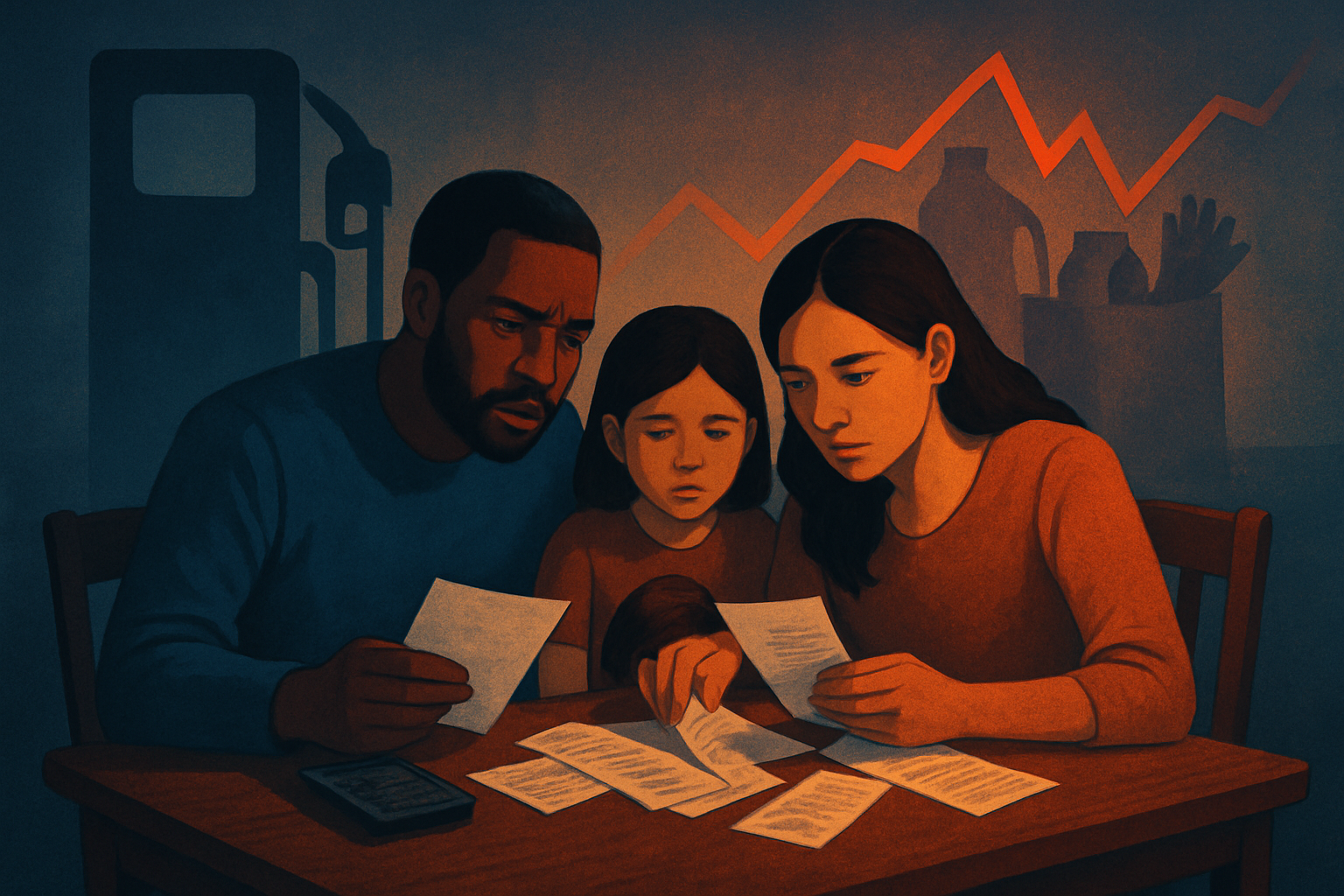
Americans are becoming more pessimistic about their financial future as inflation fears rise again, according to a preliminary University of Michigan survey released this month.
The survey’s consumer-sentiment index fell to 47.8 in September from 51.7 in August. The expectations index, which captures views of future economic conditions, dropped even more sharply to 45.8 from 51.5.
The biggest warning sign was inflation. Consumers’ expectations for price increases over the next year jumped to 4.6%, up from 4.0% in August and the highest reading since June. Long-run inflation expectations also edged higher, to 3.4%.
The shift was tied to a deteriorating view of personal finances and the broader economy. The University of Michigan said year-ahead expectations for household finances and business conditions plunged as consumers confronted renewed fuel-price pressure and trade concerns. Sentiment is now 13% below its level a year earlier and 16% below February’s level, before the conflict in Iran began, according to the survey’s director.
That deterioration is not appearing equally in every measure of consumer expectations. The Federal Reserve Bank of New York’s latest Survey of Consumer Expectations, covering August, found that one-year inflation expectations were unchanged at 3.6%. Five-year expectations also held at 3.0%, while three-year expectations slipped slightly to 3.2%.
But the New York Fed survey found a separate source of anxiety: consumers expected gasoline prices to rise 4.6% over the coming year, a 1.7-percentage-point increase from July. The perceived probability that unemployment would be higher one year from now rose to 44.4%, the highest reading since April 2020.
Taken together, the surveys suggest that households are responding to more than the latest inflation report. They are also trying to anticipate what happens next to gas bills, employment and purchasing power.
The latest fully released consumer-price data in the federal sources showed prices rising 3.4% over the year in July. That is lower than the 4.6% inflation rate consumers expect in the Michigan survey, but the two figures are not directly interchangeable. One measures past price changes; the other measures what consumers think may happen.
That distinction is important for the economy. If people expect prices to accelerate, they may bring forward purchases, seek higher wages or cut spending in other areas. If they are also worried about layoffs or declining income, the response may instead be to postpone large purchases and build a larger cash cushion.
The Conference Board’s August data points to that tension. Its overall consumer-confidence index edged down to 89.4, while its expectations index fell to 68.2. Consumers’ assessment of current conditions improved, but their outlook for income, business conditions and the labor market weakened.
The result is an economy in which households may still be spending, but with less confidence that their budgets will remain manageable. Inflation does not have to accelerate sharply for financial stress to intensify; it can be enough for consumers to believe that essentials, fuel and borrowing costs will stay high while job security becomes less certain.
The next test will be whether September’s rise in inflation expectations persists. The University of Michigan’s final September report is scheduled for September 25. Federal inflation and household-income data due later in the month will help show whether consumers’ fears are beginning to match actual changes in prices and spending—or whether expectations are running ahead of the evidence.
Sources & Further Reading
- University of Michigan Surveys of ConsumersPrimary source
- Federal Reserve Bank of New York, Center for Microeconomic DataPrimary source
- U.S. Bureau of Labor StatisticsPrimary source
- The Conference BoardPrimary source
StoryBreak
Independent digital news and reporting, updated throughout the day.
This article was researched and drafted with AI assistance and reviewed as part of StoryBreak's editorial process before publication. Read our editorial standards.