Scam Losses Hit Record High as Americans Report Nearly $16 Billion Stolen in 2025
Americans reported losing about $16 billion to fraud in 2025, a roughly 25% increase from the previous year, according to new Federal Trade Commission data. Imposter scams and social-media schemes drove much of the damage, while the FBI separately reported nearly $21 billion in losses from cyber-enabled crimes.
By StoryBreak
Published September 3, 2026 at 3:00 AM
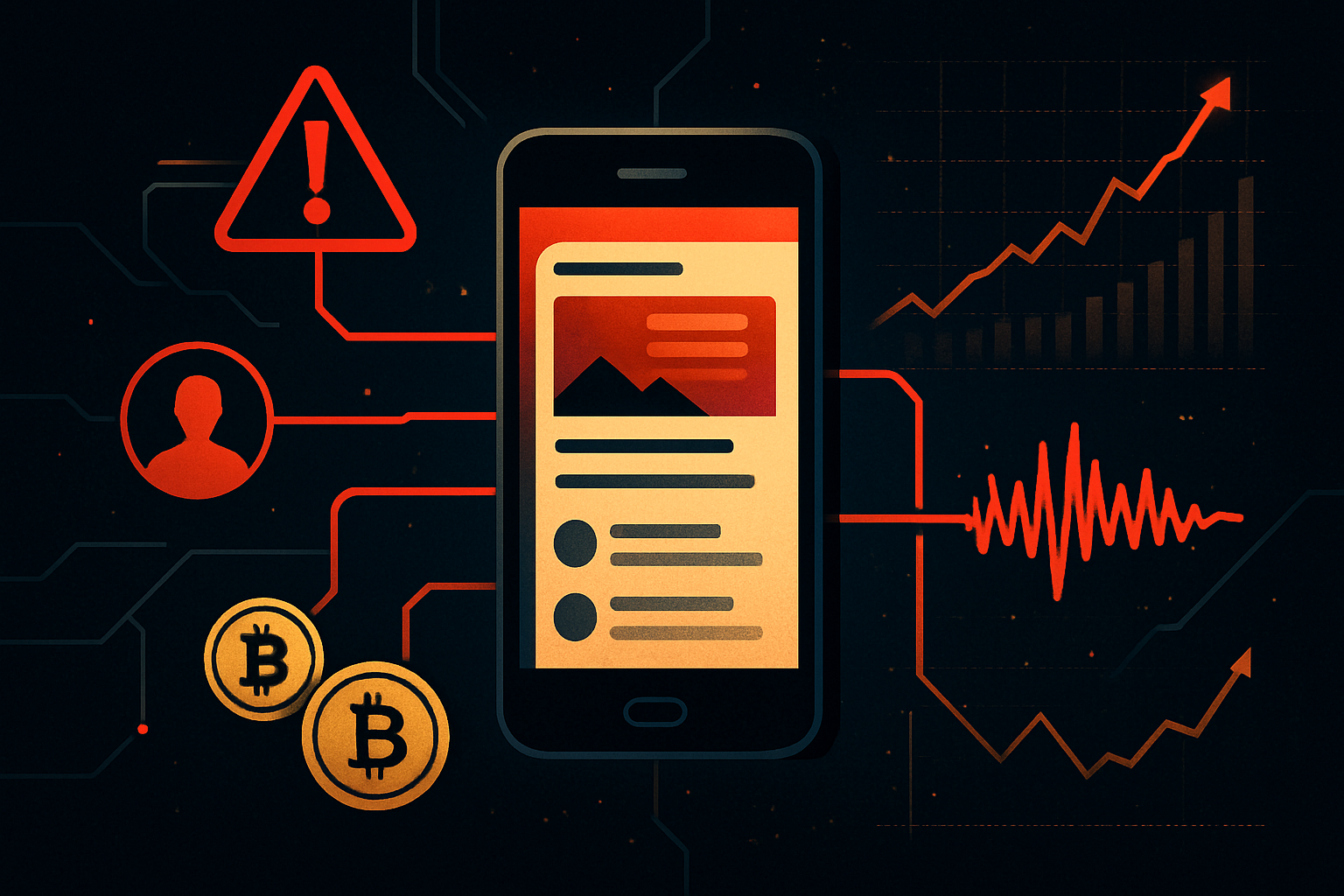
Americans reported losing roughly $16 billion to fraud in 2025, setting a new record as scammers increasingly used social media, artificial intelligence and cryptocurrency to target victims, according to the Federal Trade Commission.
The FTC said reported losses across all types of fraud reached about $16 billion last year—approximately 25% higher than the 2024 total. The agency’s figures reflect complaints submitted by consumers and other contributors, meaning the actual losses are likely substantially higher because many victims never report what happened.
Imposter scams were the most frequently reported fraud category. Consumers reported losing $3.5 billion to criminals posing as government officials, businesses, financial institutions, relatives or other trusted figures. The FTC said nearly one in three fraud reports in 2025 involved an impersonator.
Many of these schemes begin with a warning designed to create panic. A victim may receive a fake bank security alert, a message claiming to be from law enforcement or an email appearing to come from a familiar company. The scammer then pressures the target to transfer money, disclose account information or purchase cryptocurrency.
Social media has become one of the most damaging entry points. FTC data show that nearly 30% of people who reported losing money to a scam in 2025 said the scheme began on a social-media platform. Reported losses from those scams totaled $2.1 billion, an eightfold increase from 2020.
Investment fraud accounted for $1.1 billion of the social-media losses. Some victims were drawn in by online advertisements or by people posing as financial advisers. Others were added to messaging groups filled with fake testimonials and fabricated reports of successful investments.
Shopping scams were the most commonly reported type of social-media fraud. Consumers described ordering products from advertisements that led to unfamiliar websites or pages imitating well-known brands. Romance scams also continued to spread through social platforms, with nearly 60% of people who reported losing money to a romance scam saying it began there.
The FBI’s latest Internet Crime Report shows a broader—and even larger—measure of the problem. The bureau said Americans reported nearly $21 billion in cyber-enabled crime losses in 2025, including more than $17.7 billion tied specifically to cyber-enabled fraud. The FBI received more than 1 million internet-crime complaints, up from about 860,000 in 2024.
Investment schemes remained the largest source of reported losses in the FBI’s data. Cryptocurrency-related complaints alone accounted for more than $11 billion. Americans over age 60 reported approximately $7.7 billion in losses, a 37% increase from the previous year.
Artificial intelligence is adding another layer of credibility to many schemes. The FBI said its 2025 report recorded 22,364 complaints involving AI, with reported losses approaching $893 million. Criminals used fake profiles, cloned voices, forged identification documents and convincing videos to impersonate loved ones, public figures and officials.
The agencies stress that their totals should not be combined into a single national estimate. The FTC tracks consumer fraud reports across a broad range of scams, while the FBI’s Internet Crime Complaint Center focuses on internet-enabled crimes. Their reporting systems also differ, and both agencies acknowledge that victims frequently do not come forward.
The Federal Trade Commission advises consumers to slow down when a message creates urgency, avoid sending money to someone met only online and independently verify unexpected requests through a trusted phone number or website. The FBI similarly urges people to pause before transferring funds or sharing personal information.
Anyone who has lost money should preserve messages, payment records, account details and other evidence, then report the incident to the FTC and the FBI’s Internet Crime Complaint Center. Reporting does not guarantee that money will be recovered, but it can help investigators identify larger criminal networks and warn other potential victims.
StoryBreak
Independent digital news and reporting, updated throughout the day.
This article was researched and drafted with AI assistance and reviewed as part of StoryBreak's editorial process before publication. Read our editorial standards.