Average New-Vehicle Price Moves Above $50,000 Again. The Affordability Problem Is Bigger Than the Sticker.
The average U.S. new-vehicle transaction price reached $50,089 in August, according to Cox Automotive and Kelley Blue Book. Prices are not surging at the same pace as earlier in the decade, but elevated borrowing and ownership costs continue to make new cars difficult to afford for many households.
By StoryBreak
Published September 16, 2026 at 2:27 AM
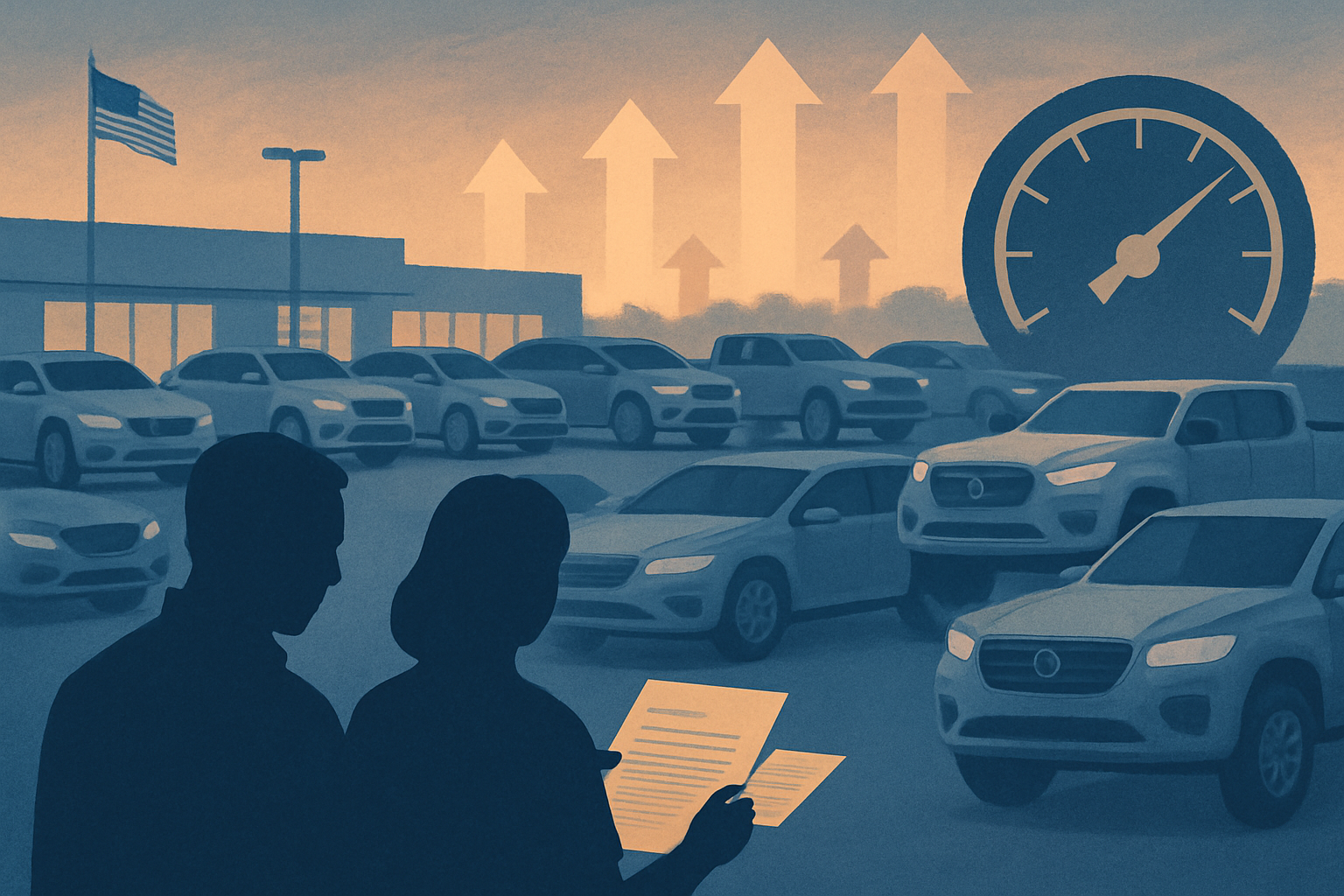
The average price Americans paid for a new vehicle moved back above $50,000 in August, a milestone that captures how far the U.S. auto market has shifted from the era of inexpensive entry-level cars.
Cox Automotive and Kelley Blue Book put the August average transaction price at $50,089. The figure followed a $49,855 average in July and marked the first time this year that the monthly average crossed $50,000.
That does not mean the typical individual car costs exactly $50,000. The measure covers the entire mix of vehicles sold, including pickups, SUVs, luxury models and electric vehicles. A shopper looking at a compact car may still find prices well below the industry average. But the average transaction price does show where the market is concentrated—and what buyers are actually paying after negotiated prices and incentives are taken into account.
The striking part of the August data is that the $50,000 threshold was reached without a new burst of vehicle-price inflation. The Bureau of Labor Statistics said its new-vehicle price index rose 0.6% from August 2025 to August 2026 and 0.3% from July. In other words, prices are now sitting at a high level even though their year-to-year growth has slowed sharply.
That distinction matters for consumers. A market can stop accelerating and still remain unaffordable if the starting point has already moved beyond household budgets. The average transaction price is roughly $10,000 higher than the $40,000 benchmark many buyers used to associate with a mainstream new vehicle, although the exact comparison varies by vehicle type and equipment.
Borrowing costs add another layer. The Federal Reserve reported in its July 2026 Monetary Policy Report that auto-loan rates had declined slightly through May but remained above 2019 levels. For a buyer financing a large portion of a vehicle, the interest rate can materially change the monthly payment and the total cost of ownership—even when the vehicle’s negotiated price is unchanged.
The pressure is not limited to the purchase itself. BLS data show that motor-vehicle maintenance and repair prices rose 5.2% over the year through August. That means households face a combination of a higher entry price, expensive credit and rising costs when the vehicle needs service.
The Federal Reserve also found that auto-loan delinquency rates had increased for consumers living in low- and moderate-income census tracts. That does not show that every borrower is in distress, but it does suggest that the affordability problem is unevenly distributed. Higher-income households may absorb a $50,000 purchase more easily, while lower-income buyers are more likely to delay replacing an older vehicle, take on longer financing terms or turn to the used market.
There are still signs that shoppers may regain some leverage. Cox Automotive listed August new-vehicle inventory at about 2.68 million vehicles, with a 73-day supply. More inventory can encourage dealers to discount slow-moving models, particularly as new model-year vehicles arrive. But discounts on selected vehicles will not necessarily restore the broad affordability that existed before prices reset higher.
The next question is whether the August crossing becomes a sustained trend or a temporary result of the vehicles Americans happened to buy that month. September transaction prices, incentives, inventory and interest rates will help answer that. For now, the message is less that cars suddenly became more expensive in August than that the American baseline for a new vehicle has settled at a level many households cannot comfortably reach.
Sources & Further Reading
- Cox AutomotivePrimary source
- U.S. Bureau of Labor StatisticsPrimary source
- U.S. Bureau of Labor StatisticsPrimary source
- Board of Governors of the Federal Reserve SystemPrimary source
StoryBreak
Independent digital news and reporting, updated throughout the day.
This article was researched and drafted with AI assistance and reviewed as part of StoryBreak's editorial process before publication. Read our editorial standards.