BBC drops planned Birmingham studio for The Archers amid wider cost cuts
The BBC has abandoned plans for a dedicated radio-drama studio at its new Birmingham headquarters, putting the programme’s 75-year recording history in the city at risk. The broadcaster has not publicly detailed where future episodes will be made.
By StoryBreak
Published October 13, 2026 at 4:01 PM EDT
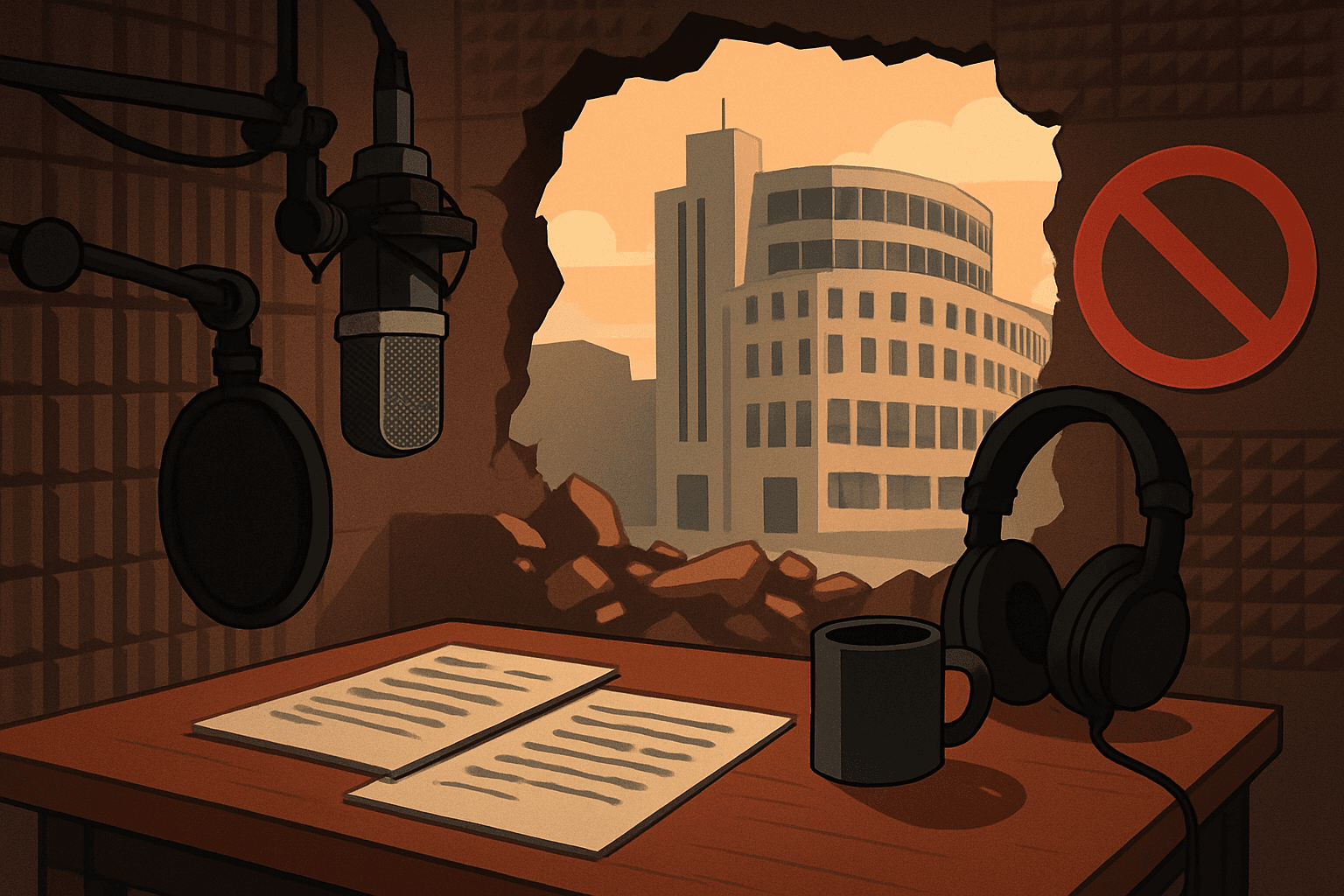
The BBC has cancelled plans to build a dedicated studio for The Archers at its new Birmingham headquarters, placing the long-running radio drama’s established production base in the city under threat.
The decision concerns a planned radio-drama facility at the BBC’s Tea Factory development in Digbeth. The corporation told staff that the project would not go ahead as part of a broader effort to reduce costs, according to reporting by BBC Culture and The Guardian.
That does not mean The Archers is being cancelled. The immediate change is about where the programme is recorded. The BBC has not publicly set out a replacement studio arrangement, leaving open whether production will move elsewhere, use existing facilities or be reorganized across more than one location.
The uncertainty matters because Birmingham has been closely tied to the programme since its launch in 1951. The Archers is set in the fictional village of Ambridge, but its recording operation has been based in Birmingham throughout the show’s 75-year history. Ending that arrangement would represent a significant change for one of Radio 4’s most recognizable programmes, even if listeners notice no immediate difference in the broadcasts.
The abandoned studio was intended to form part of the BBC’s new Birmingham presence in Digbeth. The wider development was presented as a new regional hub, while the proposed radio facility would have provided a purpose-built home for The Archers and other audio drama work.
The cut therefore reaches beyond a single construction project. It raises a broader question about how far the BBC can maintain specialist production infrastructure outside London while reducing spending. A dedicated studio can support continuity, technical consistency and local employment, but it also brings construction, maintenance and staffing costs that are harder to justify when budgets are under pressure.
The BBC is pursuing a wider savings programme reported at about £500 million. Against that backdrop, shelving an unbuilt facility avoids future capital and operating commitments, but it also weakens one of the clearest symbolic links between the corporation’s regional strategy and its day-to-day output.
For The Archers team, the key unresolved issue is the replacement production model. The BBC’s decision does not by itself establish that recordings will leave Birmingham permanently, and no confirmed new location has been announced in the available reporting. The next meaningful update will be whether the corporation identifies another Birmingham facility or confirms that recording will move to another part of the UK.
For audiences, the practical effect is likely to be limited in the short term: the programme remains on air. The longer-term consequence is institutional rather than dramatic. A show built around a fictional rural community may continue unchanged in sound, while the real-world production community behind it is forced to adapt to a BBC that is prioritizing lower costs over planned expansion.
Sources & Further Reading
StoryBreak
Independent digital news and reporting, updated throughout the day.
This article was researched and drafted with AI assistance and reviewed as part of StoryBreak's editorial process before publication. Read our editorial standards.