
How to Buy Your First Rental Property—Even If You’re Not Wealthy
You may not need a large fortune to buy a rental property. The most accessible path for many first-time investors is an owner-occupied two- to four-unit home, where rental income can help offset the mortgage. But buyers still need cash for closing costs, reserves, repairs and vacancies—and must run the numbers conservatively.
By StoryBreak
Published September 5, 2026 at 2:05 AM
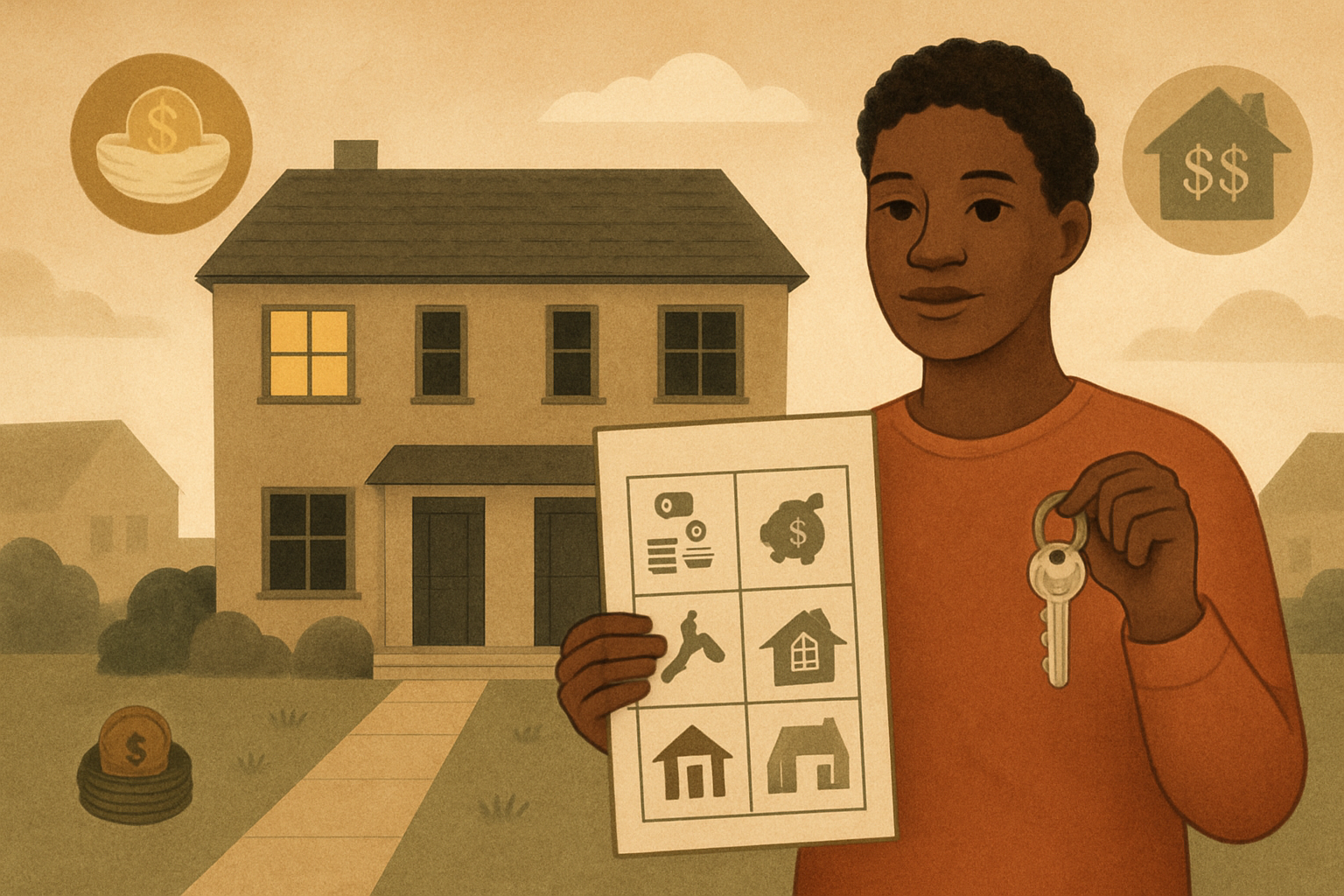
Buying a first rental property does not necessarily require a six-figure bank account. For many buyers, the more realistic entry point is not a standalone investment house but an owner-occupied property with additional units.
A duplex, triplex or fourplex can let you live in one unit and rent the others. Under current Fannie Mae guidelines, rental income from a two- to four-unit principal residence may be eligible for mortgage qualification, provided the income is documented and the property meets underwriting requirements. Rental income from a one-unit home’s accessory dwelling unit may also qualify in certain circumstances, subject to limits and documentation.
That strategy—often called “house hacking”—can reduce the amount of your own income needed to support the property. It also comes with a major trade-off: you must genuinely occupy the home as your principal residence, rather than treating an owner-occupied loan as a shortcut to buying a pure investment property. Talk with a lender about occupancy rules before making an offer.
Start with the cash you actually need
The down payment is only one part of the purchase budget. Closing costs commonly run from 2% to 5% of the purchase price, excluding the down payment, according to the Consumer Financial Protection Bureau. Buyers may also need money for inspections, prepaid taxes and insurance, lender fees, moving costs and immediate repairs.
Federal Housing Administration-insured loans can allow a down payment as low as 3.5% for eligible borrowers and properties. FHA financing may be available for certain one- to four-unit properties, but the borrower generally must occupy the property. Eligibility, loan limits, credit requirements and mortgage insurance costs can affect whether the program is a good fit.
A low down payment can make it easier to buy sooner, but it also leaves less equity and may increase the monthly payment. The goal should not be to bring the smallest possible check to closing. It should be to preserve enough cash to survive the first major repair or a period without a tenant.
Build a conservative property budget
Before viewing homes, estimate the full monthly cost—not just principal and interest. Include property taxes, insurance, mortgage insurance, utilities you will pay, homeowners association dues, routine maintenance and a reserve for major replacements.
Then estimate rent using realistic local comparisons, not the most optimistic listing you can find. A lender may use a standardized calculation rather than counting every dollar of advertised rent. Fannie Mae’s underwriting guidance, for example, uses documented rental income and may apply a haircut to gross rent when calculating qualifying income.
A simple test is to subtract all expected expenses from conservative rent and ask whether the result remains manageable if one unit is vacant for several months. If the property only works when every unit is occupied, repairs cost nothing and rent rises immediately, it is probably too fragile for a first purchase.
Find ways to assemble the funds
Potential sources can include savings, eligible gifts, down-payment assistance, seller concessions and, in some cases, retirement or other investment assets. Each source has rules, tax consequences or underwriting restrictions. A lender must be able to document where the money came from, and some loan programs require the borrower to contribute part of the funds personally.
Do not drain your emergency savings to close the deal. The CFPB advises buyers to account for an emergency cushion and other ownership costs before deciding how much cash is available for a down payment.
Inspect the income—and the building
A rental property is both a home and a small operating business. Review leases, payment history, utility responsibilities, local rental rules and any permits required for additional units. Verify whether the advertised unit count is legal. A basement apartment that produces attractive rent on paper may not be financeable or insurable if it lacks required permits.
Hire an independent inspector. Pay particular attention to the roof, plumbing, electrical system, heating and cooling equipment, foundation, sewer line and signs of water intrusion. Obtain insurance quotes before the inspection period ends; premiums and coverage can vary sharply by location and risk.
Treat taxes as paperwork, not magic
The IRS generally requires rental income to be reported. Rental owners may be able to deduct qualifying expenses and depreciate residential rental property, but the rules depend on how the property is used, how expenses are allocated and whether passive-activity limits apply. Keep separate records from the beginning and consult a tax professional before relying on projected deductions.
The best first rental property is rarely the one with the most dramatic promised return. It is the one you can afford through vacancies, repairs and ordinary market conditions—without betting your entire financial life on everything going perfectly.
StoryBreak
Independent digital news and reporting, updated throughout the day.
This article was researched and drafted with AI assistance and reviewed as part of StoryBreak's editorial process before publication. Read our editorial standards.