Federal Court Rejects Emergency Order Keeping Michigan Coal Plant Open. Here’s What It Could Mean for U.S. Energy Policy
The D.C. Circuit’s ruling limits the Energy Department’s use of emergency authority to delay power-plant retirements, but it does not resolve the broader fight over grid reliability, rising demand and who should pay to preserve aging generation.
By StoryBreak
Published September 11, 2026 at 5:17 PM
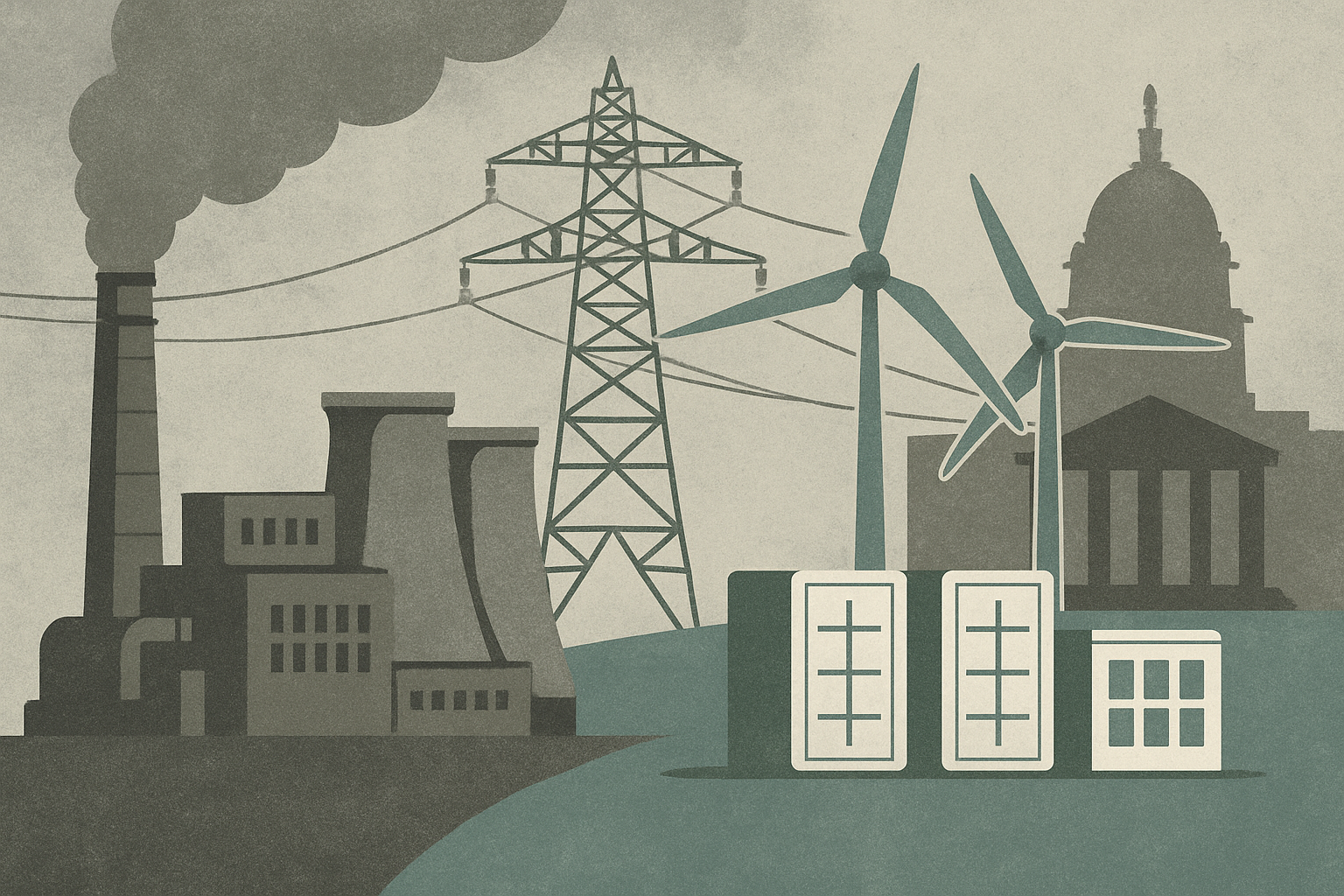
A federal appeals court on Friday rejected the Trump administration’s effort to keep Michigan’s J.H. Campbell coal plant available through an emergency order, delivering a major setback to the Energy Department’s strategy of using reliability powers to delay fossil-fuel retirements.
The U.S. Court of Appeals for the District of Columbia Circuit ruled that the administration had not established a real emergency under Section 202(c) of the Federal Power Act. That provision allows the Energy secretary to order electricity generation or transmission when there is a sudden increase in demand or a shortage of electric energy or generating facilities.
The case centered on Consumers Energy’s 1,420-megawatt Campbell plant in West Olive, Michigan. The utility had planned to retire the facility on May 31, 2025, as part of a broader transition away from coal. Michigan regulators and regional grid planners had incorporated the shutdown into their plans.
Instead, the Energy Department issued a series of emergency orders directing the plant to remain available. The department argued that rising electricity demand, generator retirements and tighter reserve margins in the Midcontinent Independent System Operator, or MISO, region created a reliability threat. In its most recent public order, DOE said Campbell should remain available through November 14, 2026.
The court’s decision does not mean the Midwest has no reliability problem. Electricity demand is growing, particularly as manufacturing, electrification and data-center development add new loads. MISO and the North American Electric Reliability Corporation have warned that new resources may not arrive quickly enough to replace retiring generation.
The legal question was narrower and potentially more consequential: whether those long-term pressures qualify as an emergency that permits the federal government to override a planned plant retirement.
That distinction matters because emergency authority is supposed to be an exceptional tool. If a projected capacity shortfall several years into the future is enough to justify keeping a plant open, the federal government could gain broad power to intervene in utility decisions normally handled by states, regional grid operators and electricity markets.
The ruling also puts the economics of that intervention back in the spotlight. Michigan Attorney General Dana Nessel’s office said Consumers Energy reported $295 million in Campbell-related costs from May 2025 through June 30, 2026. The utility is seeking to recover those costs from customers in the northern and central portions of the MISO footprint, which spans 11 states and one Canadian province.
Michigan officials have argued that the plant’s retirement was expected to save ratepayers nearly $600 million. DOE, by contrast, has said keeping Campbell available can reduce the risk of outages and lower costs during periods of high demand by giving grid operators another dispatchable resource.
Those claims are not necessarily mutually exclusive. A plant can provide useful capacity during a tight period while still being expensive to maintain over time. The central policy issue is whether customers should pay to preserve aging generation as insurance against uncertain future shortages—or whether utilities and grid operators should invest in newer resources, transmission, storage and demand-management programs instead.
The decision could affect more than Campbell. The administration has used similar emergency orders involving other fossil-fuel facilities, and environmental groups, states and utilities have challenged the broader practice. A ruling that limits DOE’s authority could make it harder for future administrations to use emergency powers as a substitute for legislation or ordinary regulatory proceedings.
For now, the decision is best understood as a boundary-setting case. It does not settle the national argument over coal, nor does it eliminate the reliability challenge created by rising demand and retiring power plants. It says that the federal government must meet a legal threshold before forcing a company to keep an aging plant alive—and that a general warning about future grid stress may not be enough.
Sources & Further Reading
- Associated Press
- Michigan Department of Attorney GeneralPrimary source
- U.S. Department of EnergyPrimary source
- U.S. Department of EnergyPrimary source
- Earthjustice
StoryBreak
Independent digital news and reporting, updated throughout the day.
This article was researched and drafted with AI assistance and reviewed as part of StoryBreak's editorial process before publication. Read our editorial standards.