Mortgage Rates Hit a 14-Month High: What 6.85% Means for Homebuyers and Homeowners
The average 30-year mortgage rate reached 6.85% last week, pushing mortgage applications lower and making affordability more difficult. Here is what the increase means for buyers, refinancers and homeowners weighing their next move.
By StoryBreak
Published September 9, 2026 at 4:16 PM
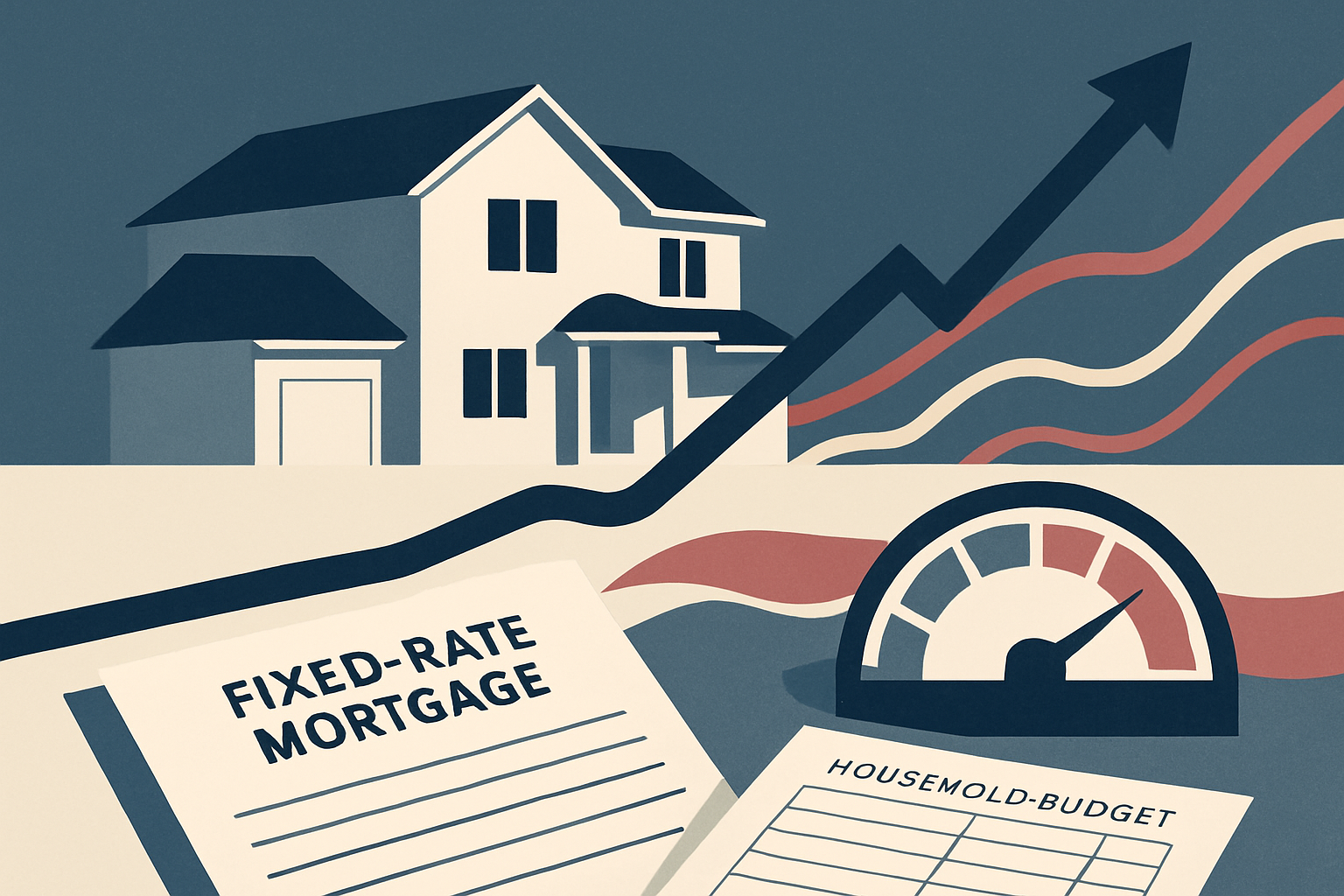
Mortgage rates have moved back into a range that is reshaping the housing market.
The average contract rate on a 30-year fixed mortgage rose to 6.85% in the week ended September 4, up from 6.79% the previous week, according to the Mortgage Bankers Association. The association said the rate was the highest in more than 14 months. Total mortgage applications fell 2.7%, while refinance applications dropped 6.2%.
The immediate effect is straightforward: a borrower must either pay more each month, buy a less expensive home or bring more cash to the transaction.
Consider a $400,000 home with a 20% down payment, leaving a $320,000 loan. At 6.85%, the estimated principal-and-interest payment on a 30-year mortgage is about $2,097 a month. At 6.50%, the payment would be about $2,023. That difference—roughly $74 a month—adds up to nearly $900 a year, before property taxes, homeowners insurance, mortgage insurance or other costs.
The comparison also shows why small changes in rates matter even when they appear modest in percentage terms. A household qualifying near its maximum debt-to-income limit may lose purchasing power quickly as rates rise. A buyer who wants to preserve the same monthly payment may need to reduce the loan amount by tens of thousands of dollars, depending on the down payment and other debts.
But 6.85% is not a rate every borrower should expect to receive. The MBA figure applies to a particular category of conforming loans and includes an average amount of points. Freddie Mac’s separate Primary Mortgage Market Survey showed the 30-year fixed rate at 6.71% as of September 3. The difference does not necessarily mean one source is wrong: the surveys use different data and methodologies, and actual offers vary with credit score, down payment, loan type, property, points and lender pricing.
That makes shopping especially important. The Consumer Financial Protection Bureau recommends comparing Loan Estimates from multiple lenders and looking beyond the headline rate. Borrowers should examine the annual percentage rate, lender fees, mortgage insurance, cash required at closing and whether the rate is fixed or adjustable.
Points can complicate comparisons. Paying points means accepting a higher upfront cost in exchange for a lower rate. Lender credits work in the opposite direction: they reduce closing costs but generally come with a higher rate. The right choice depends partly on how long the borrower expects to keep the mortgage. A borrower who moves or refinances soon may not recover the upfront cost of points.
Higher fixed rates are also making adjustable-rate mortgages more visible. The MBA said adjustable-rate mortgages accounted for 8.5% of applications last week, up from 8.0% a week earlier. ARMs can offer lower initial rates, but the payment can change after the initial fixed period. A lower starting payment is not the same as a lower long-term cost.
For existing homeowners, the impact is uneven. Someone with a mortgage locked in at a much lower rate may have little financial reason to refinance or move. Homeowners who need cash, have an adjustable-rate loan or are carrying other expensive debt may still explore refinancing, but the calculation must include closing costs and the possibility that extending the loan term increases total interest.
The next test for mortgage rates will come from the bond market. Mortgage rates generally respond more closely to longer-term Treasury yields than to the Federal Reserve’s policy rate alone. Inflation data, federal borrowing concerns and expectations surrounding the Fed’s September 15–16 meeting could all affect those yields.
For buyers, the practical lesson is not that a purchase is automatically unaffordable—or that rates are certain to fall. It is that the rate, fees, points and total monthly payment need to be evaluated together. A loan that works at 6.85% should work on today’s budget, not on the assumption that refinancing will definitely be available later.
Sources & Further Reading
- Mortgage Bankers AssociationPrimary source
- Freddie MacPrimary source
- Consumer Financial Protection BureauPrimary source
- Consumer Financial Protection BureauPrimary source
- Reuters
StoryBreak
Independent digital news and reporting, updated throughout the day.
This article was researched and drafted with AI assistance and reviewed as part of StoryBreak's editorial process before publication. Read our editorial standards.