America’s Borrowing Costs Are Flashing a Warning. Here’s Where Households Feel It
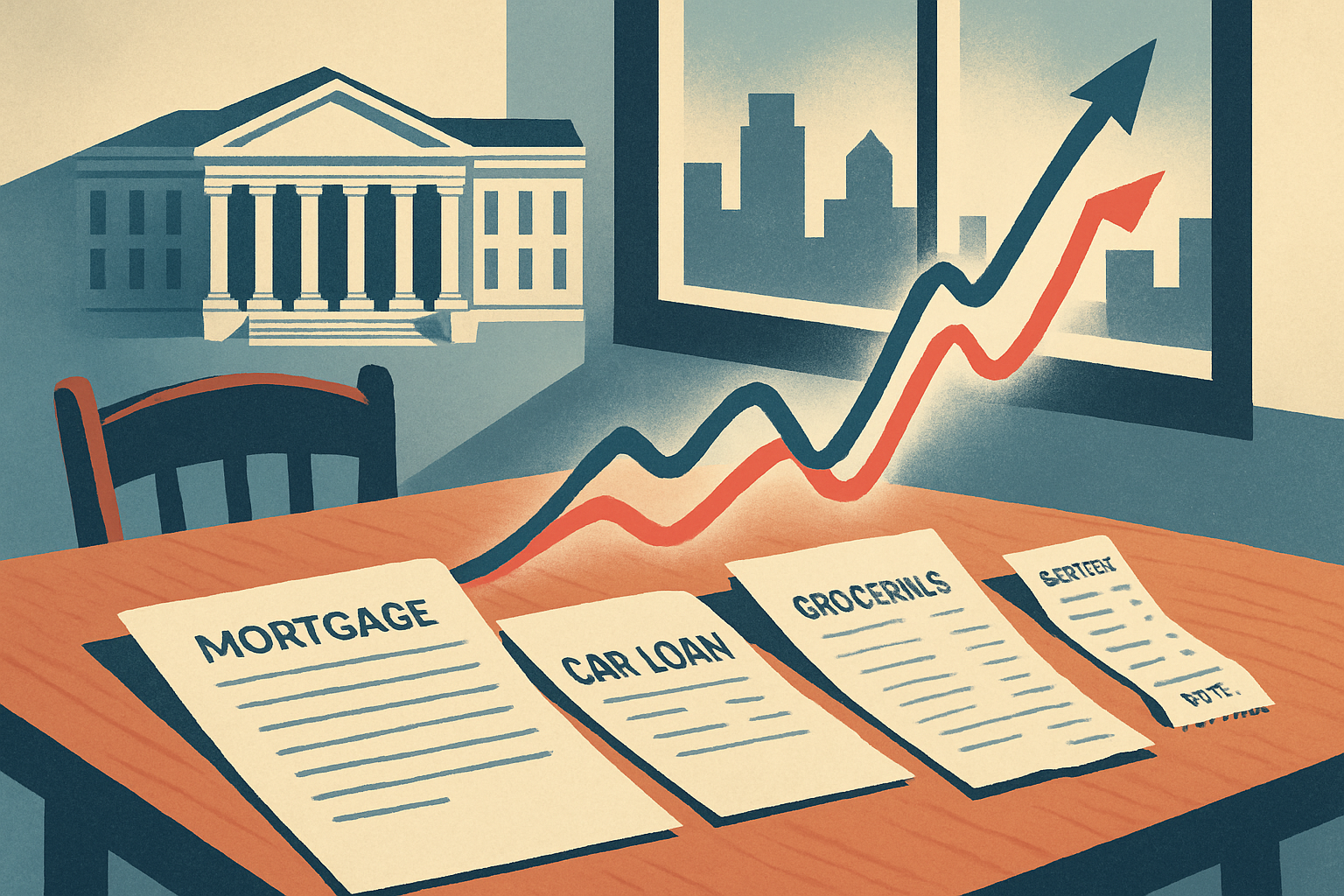
The 10-year Treasury yield has approached 4.8% and the average 30-year mortgage rate has climbed to 6.71%. The signal is not that every loan payment will jump tomorrow—but that financing is likely to stay expensive for buyers, borrowers and the federal government.
By StoryBreak
Published September 7, 2026 at 1:08 AM
The bond market is sending a message that is easy to miss in everyday life: borrowing may remain expensive even if the Federal Reserve does not raise interest rates at its next meeting.
The yield on the benchmark 10-year Treasury note climbed to roughly 4.8% during the week ending September 4, according to recent market reporting. On September 3, Freddie Mac said the average rate for a 30-year fixed mortgage had reached 6.71%, up from 6.66% the previous week and the highest level in more than a year.
Those numbers matter because Treasury yields are a reference point for much of the credit system. Banks and lenders price mortgages, corporate bonds and other long-term loans partly against the return investors can earn by lending to the U.S. government. When investors demand more interest to hold longer-term Treasurys, other borrowers generally have to offer more, too.
That does not mean every American’s monthly payment is about to rise. Someone with a fixed-rate mortgage, for example, normally keeps the same principal-and-interest payment until selling or refinancing. The more immediate pressure falls on people shopping for homes, refinancing existing debt, financing a large purchase or carrying loans with rates that can reset.
The difference can be substantial. On a $300,000, 30-year mortgage, a rate of 6.5% produces a principal-and-interest payment of about $1,896 a month. At 7%, the payment is about $1,996—a difference of roughly $100 every month, or about $36,000 over five years if the loan remains outstanding and other costs are ignored. Property taxes, insurance, points and down payments would change the final bill.
The same market signal reaches beyond housing. Auto loans and business credit can become more expensive as lenders adjust their pricing. Higher rates can force households to postpone purchases, choose cheaper homes or put more money down. For companies, the pressure is greatest when they issue new debt, refinance maturing bonds or rely on floating-rate borrowing.
Why are yields rising? Recent market coverage points to several overlapping explanations. Economic data have remained strong enough to reduce expectations of rapid rate cuts. Inflation risks have also been revived by higher energy prices connected to renewed conflict in the Middle East. At the same time, investors are weighing the large amount of government debt the market must absorb.
Those forces can pull in different directions. A stronger economy can push yields higher because investors expect more growth and less need for monetary easing. Inflation fears can produce the same result because lenders want compensation for the possibility that money will lose purchasing power. Concerns about government borrowing can raise yields if investors require a larger return to hold long-term debt.
The Federal Reserve’s role is important—but limited. The Fed directly targets a short-term interest rate. The 10-year Treasury yield, by contrast, reflects investors’ expectations about inflation, economic growth, future Fed policy and the supply and demand for government bonds. The Fed can influence that market, but it does not set mortgage rates by decree.
The next major checkpoint is the Fed’s September 15-16 meeting. Investors will also watch new inflation data and the labor market for clues about whether policymakers are more likely to cut, hold or raise short-term rates later this year.
For households, the practical lesson is less dramatic than a financial-market headline but more useful: rising yields are a warning about the cost of new debt, not an automatic emergency for every existing borrower. Buyers and refinancers should compare the full monthly payment, not just the advertised rate. People with variable-rate debt should understand when their rate can reset. And anyone hoping for cheaper credit soon should recognize that a Fed pause alone may not bring long-term borrowing costs down if bond investors remain uneasy about inflation or government financing.
Sources & Further Reading
- U.S. Department of the TreasuryPrimary source
- Freddie MacPrimary source
- Federal Reserve BoardPrimary source
- Associated Press
- Reuters
- Reuters
- Reuters
StoryBreak
Independent digital news and reporting, updated throughout the day.
This article was researched and drafted with AI assistance and reviewed as part of StoryBreak's editorial process before publication. Read our editorial standards.