Hackers Claim They Breached FBI Systems and Stole Data on Employees and Applicants
The ShinyHunters group says it obtained personal information on FBI personnel and applicants, including addresses and family details. Journalists reviewed a sample of alleged records, but the FBI has not publicly confirmed the breach or its scope.
By StoryBreak
Published September 22, 2026 at 10:44 PM
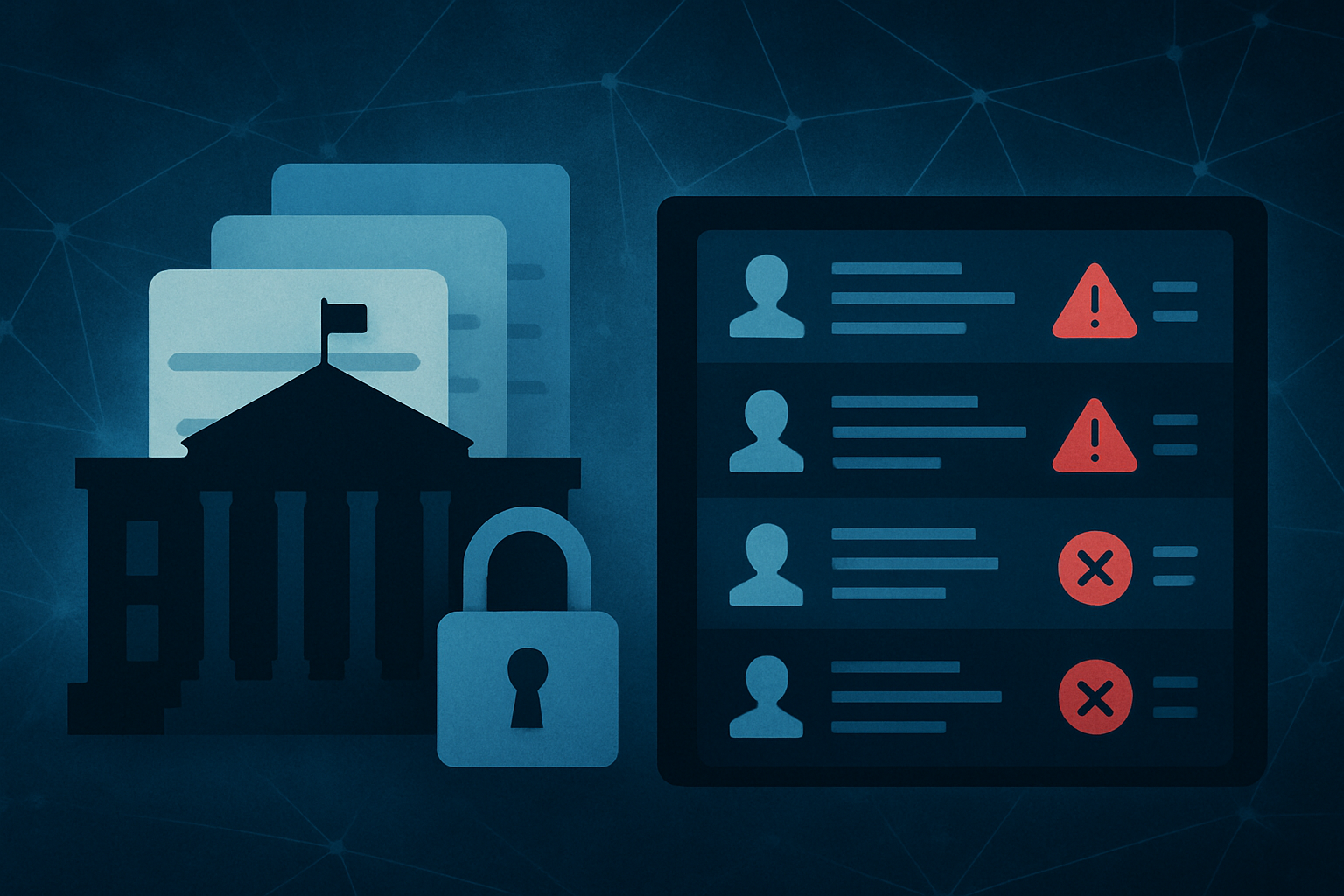
A cybercriminal group is claiming it breached multiple FBI-related services and stole personal data on bureau employees and applicants, but the most consequential details of the alleged intrusion remain unconfirmed.
The group, known as ShinyHunters, told 404 Media that it obtained information on FBI personnel, including names, home addresses, phone numbers and details about spouses. The hackers supplied a sample said to contain roughly 5,000 records. 404 Media reported that portions of the sample appeared to correspond with real people after cross-checking information against open-source databases.
Reuters separately reported that at least some records appeared to match FBI personnel, including FBI Director Kash Patel. That kind of matching can suggest that a dataset contains real information, but it does not establish how the information was obtained, whether it is current, or whether the hackers accessed FBI systems directly.
The FBI jobs website was also reportedly defaced during the episode. The group has claimed that the alleged intrusion involved an Oracle PeopleSoft vulnerability and FBI-related services, but those technical details have not been independently confirmed by the bureau in the material available so far.
That uncertainty matters. A breach claim can combine genuine, outdated or previously leaked information and still create the appearance of a massive new intrusion. Until investigators identify the affected systems and compare the sample against internal records, the public cannot know whether this is a direct compromise of FBI infrastructure, a breach of a contractor or recruiting platform, or an aggregation of data stolen elsewhere.
The alleged information would nevertheless be highly sensitive if authentic. An agent’s home address or a spouse’s identity can be used for stalking, intimidation, targeted phishing or physical retaliation. It can also help criminals map professional relationships and personal routines. For a federal law-enforcement agency, that creates a risk distinct from the theft of ordinary consumer data.
The danger is also not limited to criminal groups. Personnel records can help foreign intelligence services identify investigators, connect employees to one another and build profiles of the people working on sensitive cases. The 2015 breach of the Office of Personnel Management offered a precedent for why government workforce data can have intelligence value: hackers obtained personnel and security-clearance information on more than 20 million people.
The FBI has previously identified ShinyHunters as a cybercriminal group associated with data theft and extortion campaigns. That history makes the claim worth investigating, but it is not proof that this particular operation succeeded as described.
For now, the key question is not simply whether a hacker group posted convincing-looking records. It is whether the bureau can confirm that the records came from an FBI-controlled system, determine how many people are affected and establish whether any investigative, applicant or security-clearance information was exposed.
A formal FBI or Justice Department statement, notices to affected employees and technical findings from independent researchers would provide the clearest answers. Until then, the responsible description is an alleged breach supported by a sample that appears partly credible—not a confirmed theft of data on every FBI employee.
Sources & Further Reading
- 404 Media
- Reuters, republished by EUROSMI
- Federal Bureau of InvestigationPrimary source
- U.S. Government Publishing OfficePrimary source
StoryBreak
Independent digital news and reporting, updated throughout the day.
This article was researched and drafted with AI assistance and reviewed as part of StoryBreak's editorial process before publication. Read our editorial standards.