U.S. Oil Reserve Hits Lowest Level Since 1982. What That Means for Gas Prices
The Strategic Petroleum Reserve has fallen to 285.4 million barrels, its lowest level since November 1982. That may reduce Washington’s emergency cushion, but it does not by itself guarantee higher prices at the pump.
By StoryBreak
Published September 15, 2026 at 12:09 AM
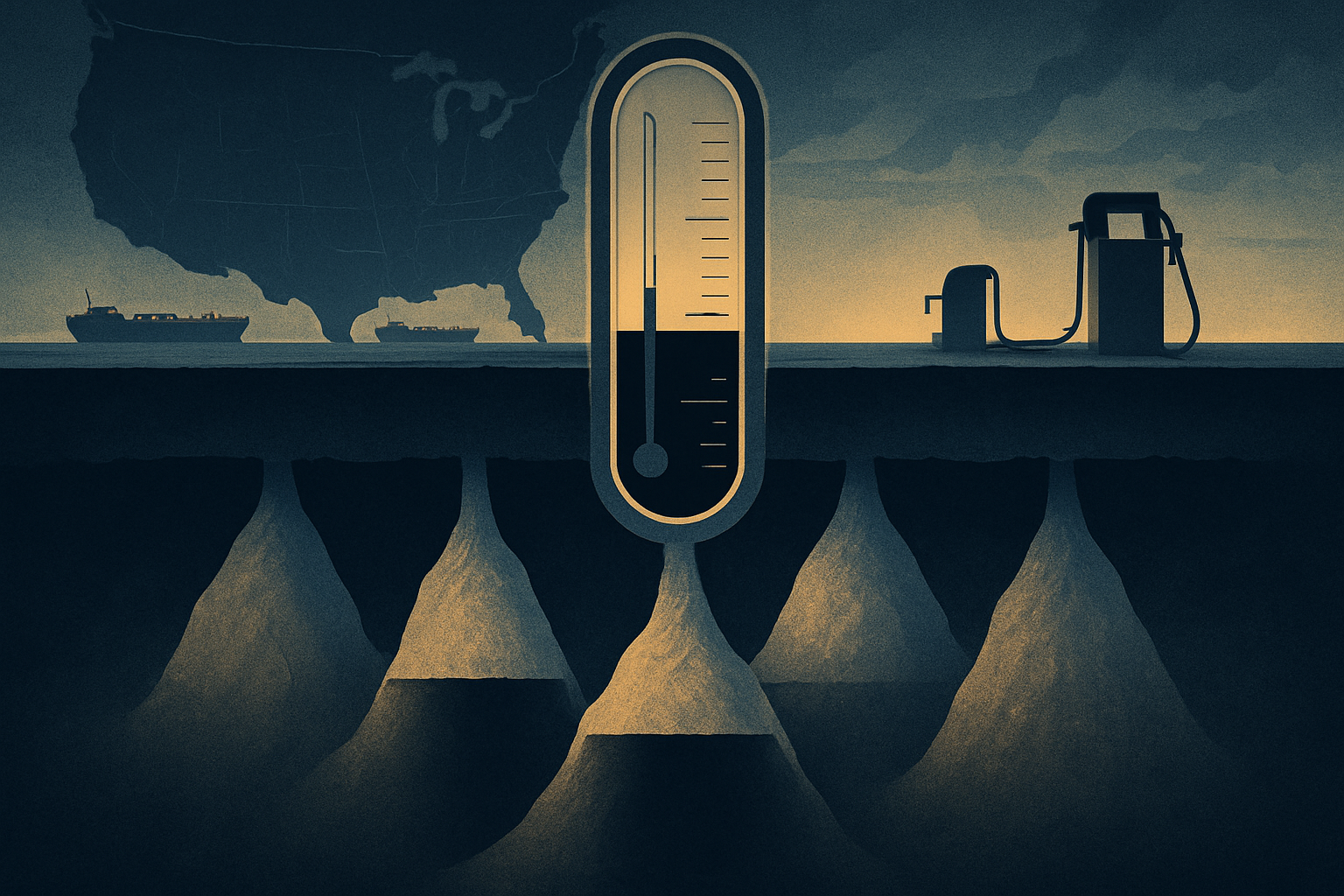
The U.S. Strategic Petroleum Reserve has fallen to 285.4 million barrels, the lowest level since November 1982, according to the latest weekly inventory data for the period ending September 4, 2026.
The decline is part of a much larger emergency oil operation. The Energy Department is carrying out a U.S. commitment to release 172 million barrels as part of a coordinated international effort to put more crude into the market during supply disruptions. Under the exchange program, participating companies are expected to return the oil later with additional barrels.
For drivers, the headline raises an obvious question: Does a nearly depleted emergency reserve mean gasoline prices are about to jump?
Not necessarily. The Strategic Petroleum Reserve is a crude-oil stockpile, not a reserve of finished gasoline. Its effect on pump prices is indirect. A release can add supply to refiners and reassure markets during a disruption, potentially limiting a price spike. But the reserve does not set gasoline prices on its own.
The more immediate drivers are global crude prices, refinery operations and margins, transportation costs, taxes and regional supply conditions. The Energy Information Administration’s market analysis says refining margins, known as crack spreads, can materially affect what consumers pay even when crude prices are moving differently.
Recent market data show why the distinction matters. On September 9, EIA data listed West Texas Intermediate crude at $97.26 per barrel and Brent crude, the international benchmark, at $109.51. Conventional gasoline at New York Harbor was priced at $3.289 per gallon. Those numbers point to a market under pressure, but they do not prove that the SPR’s low balance alone pushed prices higher.
The reserve’s importance is therefore less about a one-for-one link to the next change in the national average and more about insurance. The SPR exists to help the United States respond to a severe interruption in petroleum supplies. At roughly 285 million barrels, it holds about 40% of its authorized 714-million-barrel capacity, according to current DOE capacity figures.
That leaves Washington with less room to respond than it had before years of emergency releases. If a major disruption occurs while global supplies are already tight, the government may still be able to release oil—but the market could view that intervention as less powerful, especially if traders doubt how long the reserve can continue supplying crude.
The administration has said the exchange structure will rebuild the stockpile with premium barrels. The open question is timing. Returning oil over the coming years would improve the reserve’s long-term position, but it would not restore the same emergency cushion immediately.
For consumers, the most useful signals to watch are weekly EIA data, global crude benchmarks, refinery outages and crack spreads. If crude prices rise and refining margins widen at the same time, gasoline is more likely to become expensive. If crude falls or refinery conditions improve, a low SPR balance may have little visible effect at the pump in the short term.
The bottom line: The record-low reserve is a warning about U.S. energy-security flexibility, not a standalone forecast that gasoline prices will surge tomorrow. Its biggest cost may emerge during the next serious supply shock, when the country has fewer barrels available to calm a market already under stress.
Sources & Further Reading
- U.S. Department of EnergyPrimary source
- U.S. Department of EnergyPrimary source
- U.S. Energy Information AdministrationPrimary source
- U.S. Energy Information AdministrationPrimary source
- Reuters
StoryBreak
Independent digital news and reporting, updated throughout the day.
This article was researched and drafted with AI assistance and reviewed as part of StoryBreak's editorial process before publication. Read our editorial standards.