
Student Loan Payments Are Surging for Some Borrowers: Why Fall Bills Could Be Much Bigger
The end of the SAVE plan and the rollout of new federal repayment options are pushing some borrowers toward sharply higher monthly bills. Here is who is most exposed and what to check before the next payment is due.
By StoryBreak
Published September 12, 2026 at 8:49 PM
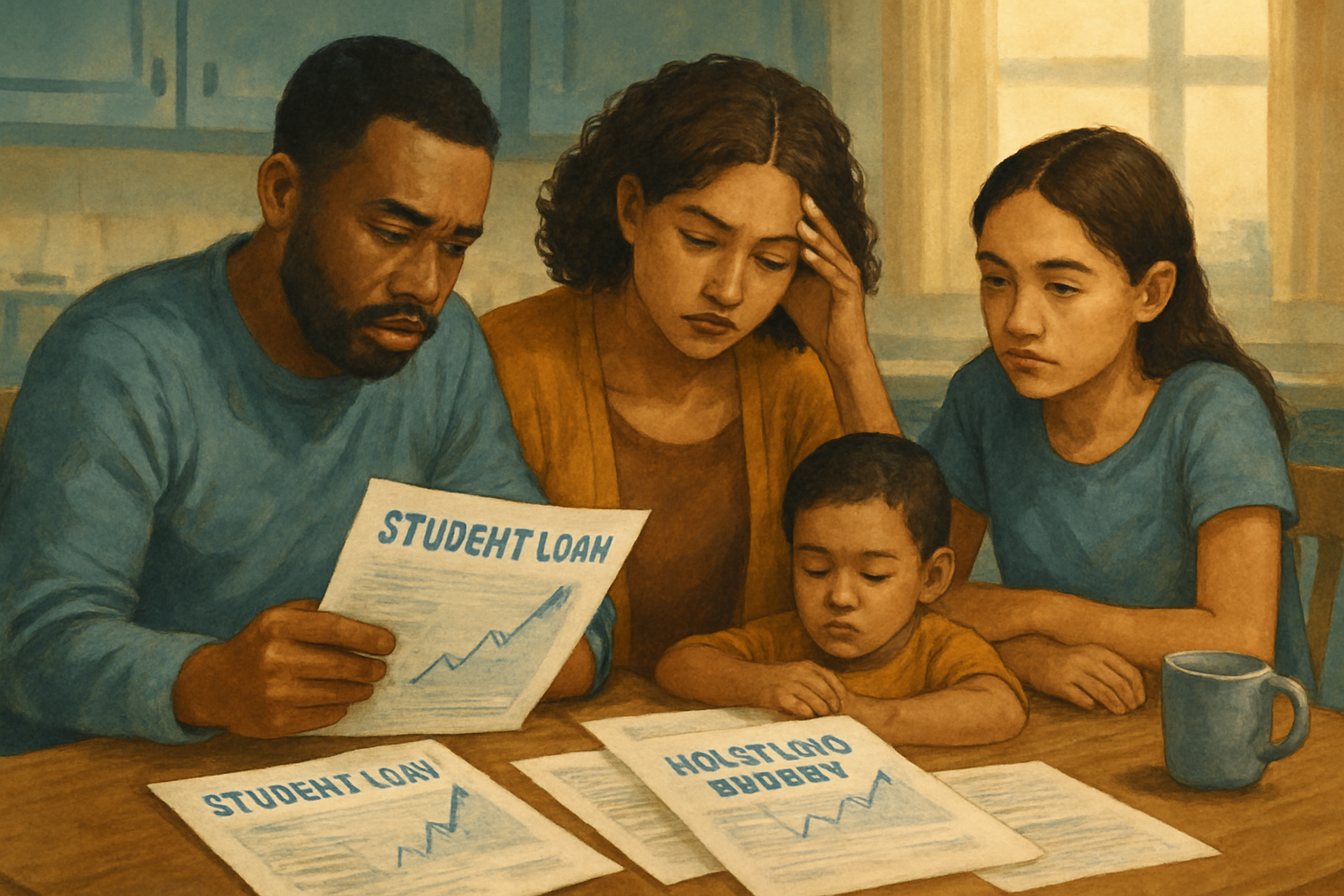
Some federal student loan borrowers are heading into the fall with a very different monthly bill than the one they had earlier this year.
The main reason is the unwinding of the Saving on a Valuable Education plan, or SAVE. The Education Department says the plan is no longer available and that borrowers enrolled in it must move into a legal repayment plan. Borrowers who do not make that transition could ultimately be placed into a repayment option with a higher monthly bill.
That makes the coming months important for household budgets. A borrower who had a payment of $10—or no required payment under a particular temporary arrangement—could see the amount rise substantially after income, family size, loan balance and repayment term are recalculated. Recent reporting has documented borrowers receiving notices that would increase their payments by hundreds of dollars a month, although the exact change varies widely from person to person.
The change is not simply a switch from one plan to another. Federal law and Education Department implementation are reshaping the menu of repayment options. Beginning July 1, 2026, borrowers became eligible for the new Repayment Assistance Plan, known as RAP, and the Tiered Standard Plan.
RAP calculates a borrower’s payment using income and the number of dependents. The Tiered Standard Plan uses fixed repayment periods—10, 15, 20 or 25 years—based on the borrower’s outstanding balance. A longer term can reduce the monthly charge, but it generally means payments continue for more years and may increase the total amount paid over the life of the loan.
Eligibility is also tied to the borrower’s loan history. Federal Student Aid says borrowers whose loans were all first disbursed on or after July 1, 2026 will have fewer choices, while borrowers with older loans may qualify for several plans. Parent PLUS borrowers are subject to additional restrictions, and people with loans from different periods may have different plans available for different portions of their debt.
That is why broad claims about a universal payment increase can be misleading. Two households with similar balances may receive different bills because their incomes, dependents, loan types or disbursement dates differ. A borrower’s current payment may also change when income is recertified, even if the person remains in an income-driven plan.
The immediate financial risk is a gap between the old payment and the new one. For a family already paying a mortgage or rent, child care, transportation costs and credit-card balances, an additional few hundred dollars a month can force difficult tradeoffs. If a borrower misses payments, the consequences can move beyond a late fee: delinquency can eventually lead to default, credit damage and collection activity.
Borrowers should start with their Federal Student Aid account and confirm four items: the current servicer, the loan types, the repayment plan and the date the next payment is due. The federal repayment calculator can compare available plans and show estimated monthly payments and total repayment. Borrowers whose income or family circumstances have changed can submit an income-driven repayment application rather than waiting for the next annual recertification date.
There is one offset for some households. Federal Student Aid says borrowers enrolled in autopay beginning July 1, 2026 can receive a 1% interest-rate reduction, provided they meet the program’s requirements. That discount will not erase a large payment increase, but it can modestly reduce interest costs.
The most important distinction is between a payment that is temporarily low and a payment that is sustainable under the borrower’s current legal plan. As the SAVE transition continues, families should not assume that an old payment notice remains valid. They should compare the new amount with their budget, verify that their income and dependent information are correct, and contact their servicer before the first unaffordable bill becomes a missed payment.
The fall student-loan squeeze is therefore less a single nationwide increase than a series of recalculations arriving at the same time. For affected borrowers, the size of the next bill will depend on the details of the loan—and on how quickly they respond to the transition.
Sources & Further Reading
- U.S. Department of EducationPrimary source
- Federal Student AidPrimary source
- Federal Student AidPrimary source
- The Washington Post
- Brookings Institution
- Associated Press
StoryBreak
Independent digital news and reporting, updated throughout the day.
This article was researched and drafted with AI assistance and reviewed as part of StoryBreak's editorial process before publication. Read our editorial standards.