Treasury Yields Stay Elevated, Raising the Cost of Borrowing Across the Economy
Long-term Treasury yields remain near multiyear highs as investors weigh inflation risks, government borrowing needs and the outlook for economic growth. The move threatens to keep pressure on mortgages, corporate debt and federal interest costs even if the Federal Reserve holds or cuts short-term rates.
By StoryBreak
Published September 3, 2026 at 3:02 AM
U.S. Treasury yields remain near their highest levels of the year, keeping pressure on borrowing costs for households, businesses and the federal government as investors demand more compensation to hold long-term debt.
The benchmark 10-year Treasury yield stood at 4.79% at the close of September 2, according to the U.S. Treasury’s daily yield data. The 30-year yield was 5.27%, while the 20-year rate also reached 5.27%. Those levels were little changed from September 1 but above the readings recorded at the end of August, when the 10-year yield was 4.75% and the 30-year yield was 5.25%.
Market trading was volatile. The Associated Press reported that the 10-year yield edged down to 4.78% on September 2 from 4.79% late the previous session, suggesting the latest move was less a one-day spike than an extension of a broader rise in long-term rates.
The increase reflects several competing forces. Investors are assessing whether economic growth will remain strong enough to keep inflation elevated, while also considering the volume of debt governments must issue to finance budget deficits. The bond selloff has not been limited to the United States: Axios reported that borrowing costs have risen across major global markets as governments confront heavy debt loads and growing interest expenses.
That combination creates a difficult environment for policymakers. A stronger economy can push investors to expect higher interest rates for longer, lifting Treasury yields. At the same time, concerns about fiscal sustainability can lead investors to seek a larger yield premium before buying government debt. Treasury Secretary Scott Bessent has characterized the rise in long-term yields as evidence of stronger growth, while some investors view the move as a warning about the country’s fiscal outlook.
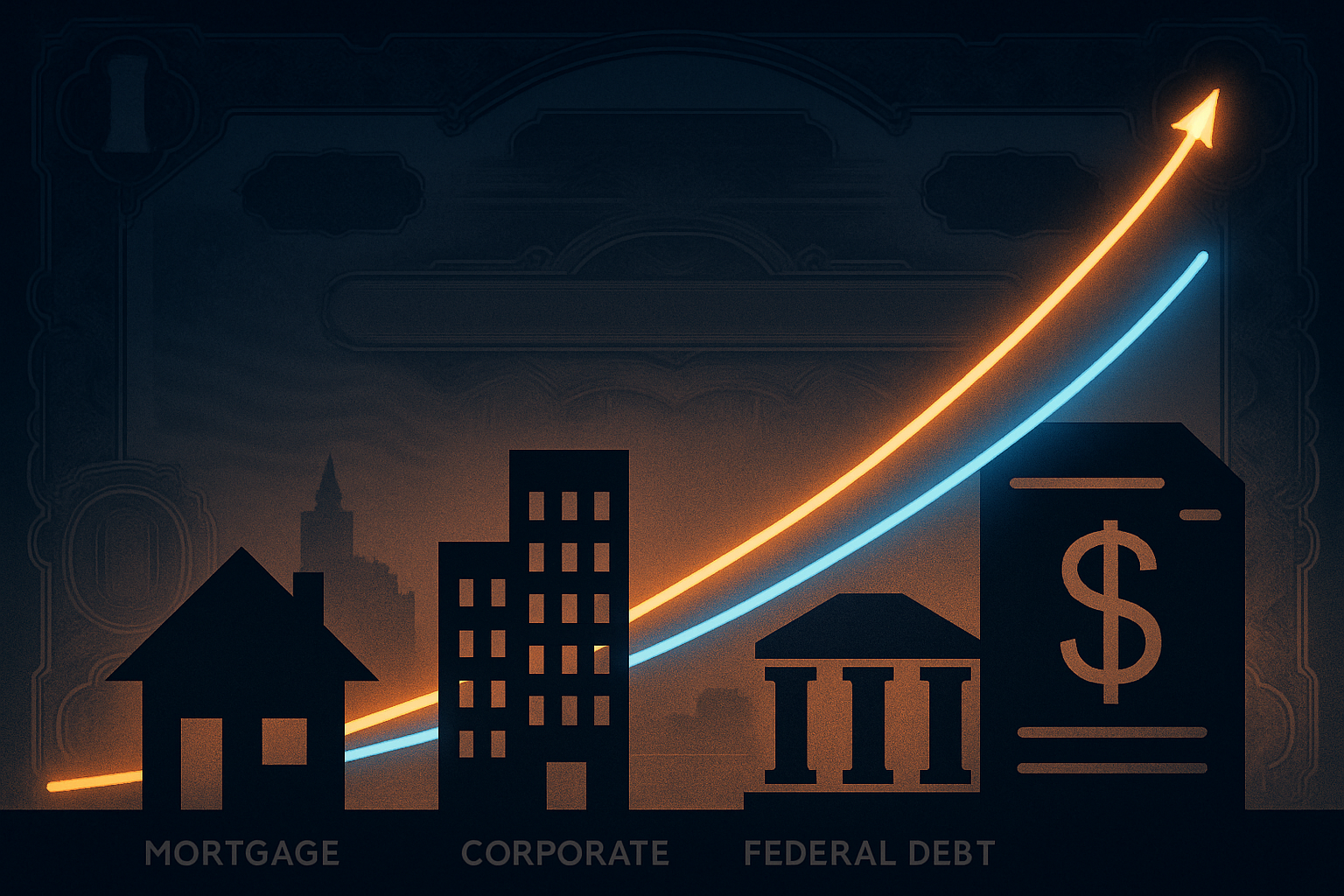
Higher Treasury yields matter because they serve as a reference point for many other interest rates. Mortgage rates generally move with longer-term Treasury yields, although they also include lender risk and other costs. Corporate bonds, commercial loans and some consumer borrowing products can likewise become more expensive as benchmark yields rise.
The federal government is exposed as well. Treasury officials continuously refinance maturing debt and issue new securities. Higher rates do not immediately reset the interest cost on every outstanding bond, but they increase the expense of new borrowing and gradually raise the cost of refinancing older obligations.
Stock valuations can also feel the effects. When government bonds offer higher relatively low-risk returns, investors may demand greater potential returns from equities, particularly from technology and other companies whose valuations depend heavily on profits expected far in the future. Rising yields can therefore pressure share prices even when corporate earnings remain solid.
The immediate direction of rates remains uncertain. A weakening economy or softer inflation could pull yields lower by reviving expectations for Federal Reserve rate cuts. Persistent inflation, stronger growth or continued concern about government borrowing could push them higher. For borrowers, however, the elevated long-term rates already represent a more expensive financial backdrop than the market experienced earlier in the year.
Sources & Further Reading
StoryBreak
Independent digital news and reporting, updated throughout the day.
This article was researched and drafted with AI assistance and reviewed as part of StoryBreak's editorial process before publication. Read our editorial standards.