Trump Says CNN, MS NOW and Politico Are Banned From the White House. The Details Are Still Unclear.
President Donald Trump said Friday that CNN, MS NOW and Politico were barred from the White House over coverage he called “fake news,” while threatening to target more outlets. But reporters from the organizations were still present later that day, and the administration had not explained how the ban would work.
By StoryBreak
Published September 19, 2026 at 1:18 AM
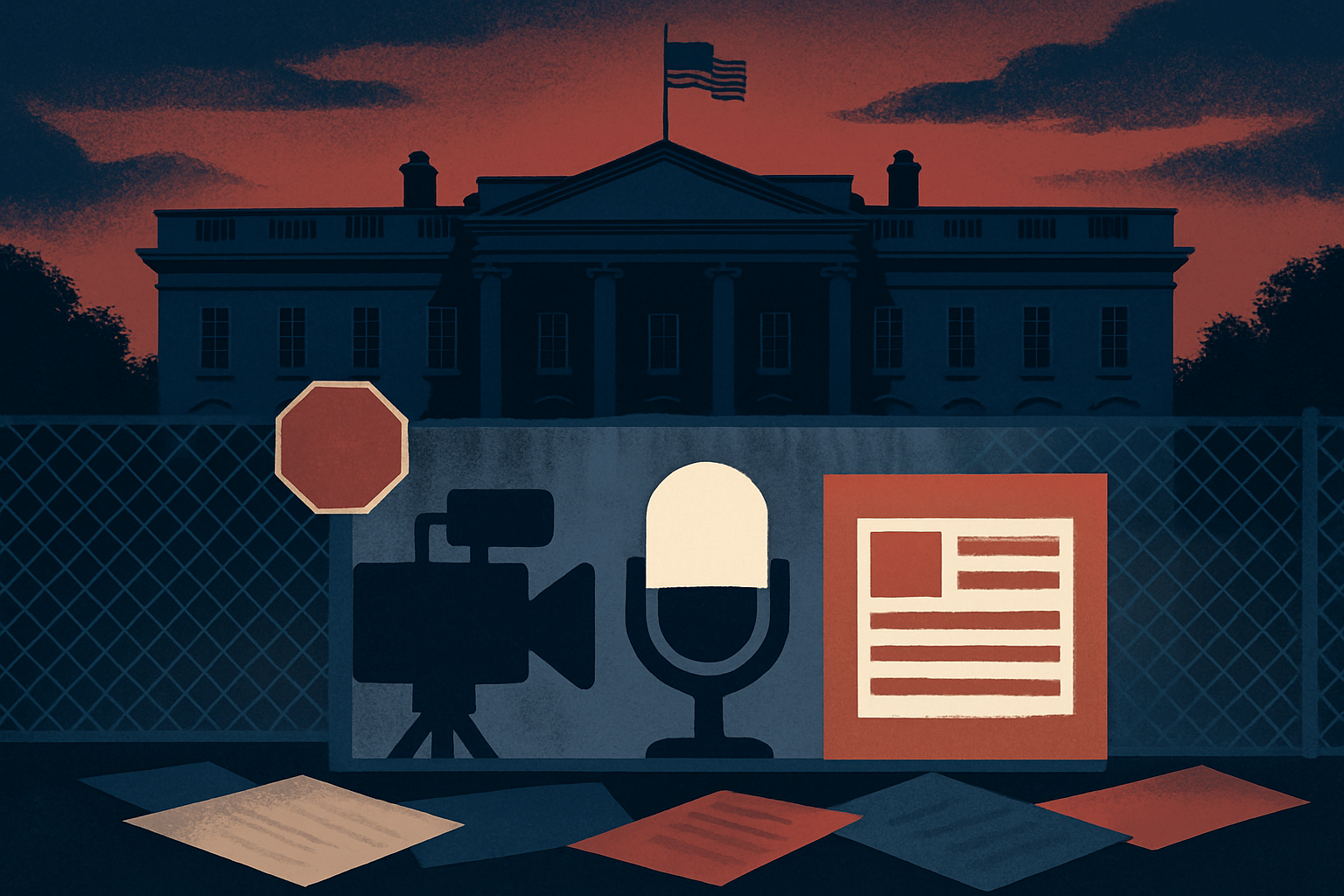
President Donald Trump said Friday, September 18, that CNN, MS NOW and Politico were being banned from the White House “effective immediately,” accusing the outlets of publishing what he called “fake news” about him and his administration.
In a post on Truth Social, Trump said the three organizations should not be allowed to report what he described as “fiction and lies” about the president, the administration or the United States. He added that other news organizations could be targeted next.
The announcement was sweeping, but its practical meaning was not immediately clear. The White House did not publicly explain whether the outlets’ reporters would lose credentials, be excluded from press briefings, removed from the press pool or barred only from selected presidential events.
That distinction matters because reporters from CNN, MS NOW and Politico were still working on White House grounds later Friday, according to reporting by The Associated Press and The New York Times. There was no immediate sign that security personnel had begun removing them or that the administration had issued detailed written instructions.
Trump later defended the decision while speaking with reporters in the Oval Office. He said the outlets were being targeted because, in his view, their coverage was false and unfair. He offered no specific examples in the remarks reported Friday.
The fight is not simply about three media companies. The White House has limited physical space and must decide which journalists can attend briefings, travel with the president or cover events where access cannot be offered to everyone. That makes access a form of institutional leverage: an administration can restrict a particular reporter’s entry without preventing the organization from publishing independently, but the restriction can still make it harder for the public to scrutinize presidential decisions in real time.
It also creates a legal question. The First Amendment generally limits government retaliation against the press, but the precise rules governing access to restricted government spaces can depend on the setting and the policy used. Any challenge would likely turn on whether the administration applied neutral access rules or punished outlets because of their viewpoint and coverage.
Trump’s announcement follows earlier confrontations between his administration and news organizations over access. The Associated Press has been involved in a separate legal dispute with the White House after the administration restricted its access over the outlet’s terminology for the Gulf of Mexico. That earlier conflict showed how quickly a dispute over press access can move from presidential criticism to litigation.
For now, the most important fact is that the announced ban had not yet become a clearly documented operating policy. The next test will be whether the White House publishes procedures, bars specific reporters from particular events or attempts to enforce a broader exclusion. Until then, “banned” describes Trump’s stated order—but not yet a fully explained system of enforcement.
Sources & Further Reading
StoryBreak
Independent digital news and reporting, updated throughout the day.
This article was researched and drafted with AI assistance and reviewed as part of StoryBreak's editorial process before publication. Read our editorial standards.