Trump and Xi Extend Trade Truce, But Only Until January
The United States and China have postponed a renewed trade confrontation by extending their existing truce for two months after a White House summit. The pause lowers immediate tariff risk but leaves major disputes over technology, critical minerals and market access unresolved.
By StoryBreak
Published September 25, 2026 at 12:46 AM
President Donald Trump and Chinese President Xi Jinping have extended the fragile U.S.-China trade truce, postponing the next major confrontation until January 10, 2027, according to reporting by Reuters that cited Treasury Secretary Scott Bessent.
The agreement came as Xi visited the White House on Thursday, September 24, for a state visit and summit with Trump. The White House had described the trip as a major diplomatic event, while China’s Foreign Ministry confirmed that the two leaders held talks in Washington.
The practical effect is straightforward: Washington and Beijing have more time before the current arrangement expires. The political meaning is less dramatic. The two-month extension is a pause, not a comprehensive trade settlement.
That distinction matters because the relationship remains divided across several fronts. The governments are still negotiating over agricultural purchases, access to critical minerals, technology controls, artificial intelligence and the treatment of American companies operating in China. Both sides have also used targeted restrictions and company blacklists even while avoiding a return to the broad tariff escalation that defined the earlier trade conflict.
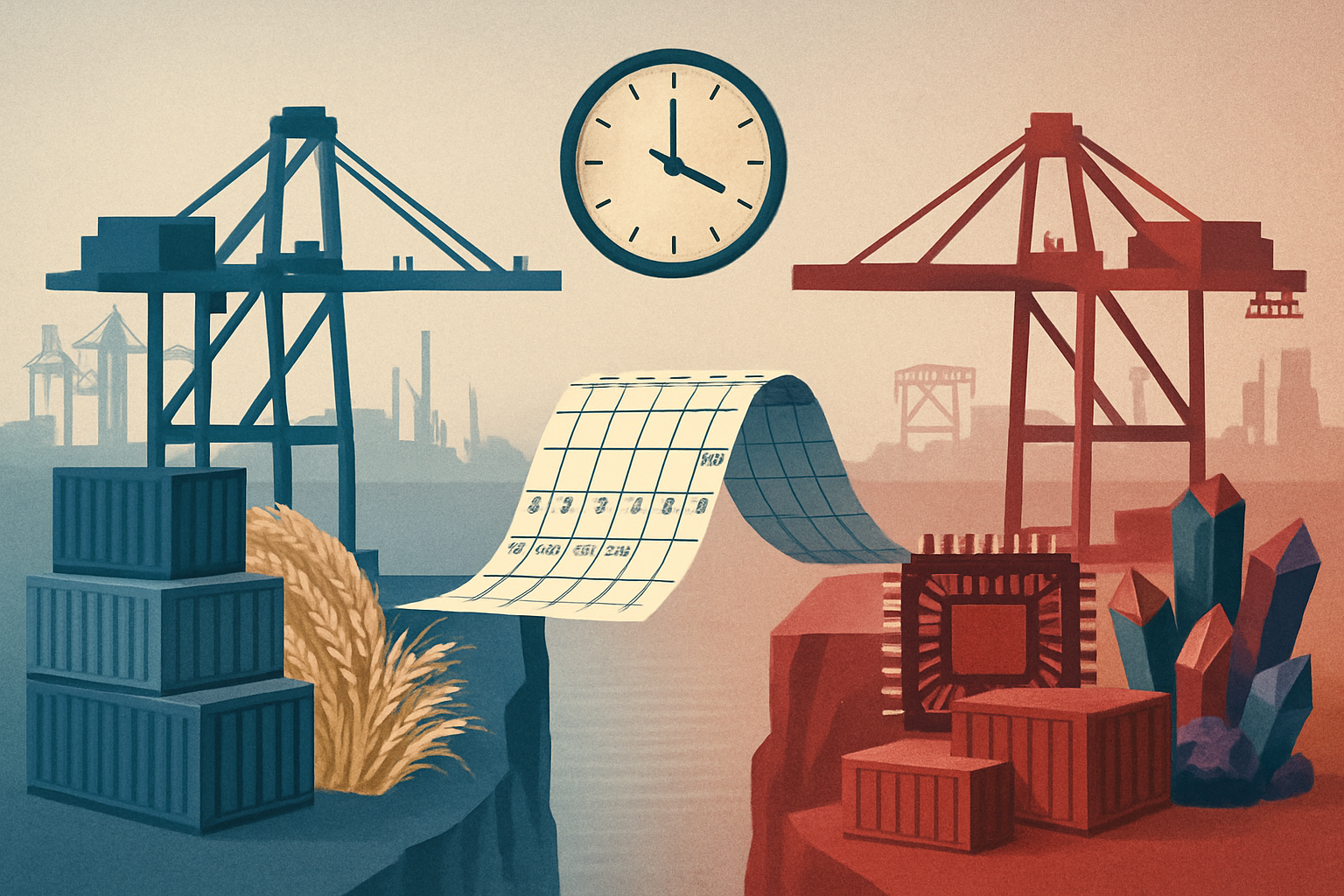
The truce’s short runway is the clearest signal of what the summit did not accomplish. A move from a November 10 deadline to January 10, 2027, buys roughly 61 days. That may be enough time to keep markets and supply chains from facing an immediate shock, but it is not long enough to remove the pressure on negotiators. Businesses will still have to plan around the possibility that tariffs, export controls or other restrictions could return early next year.
For American farmers and manufacturers, the stakes are concrete. A White House fact sheet issued after the leaders’ May meeting said China would purchase at least $17 billion annually in U.S. agricultural products, pursue large Boeing aircraft purchases and address American concerns about rare-earth and other critical-mineral supplies. Those commitments create potential benefits, but their value depends on implementation rather than ceremony.
The extension therefore gives both governments something they need: time. Trump can avoid an immediate escalation that could raise costs for U.S. companies and consumers, while Xi can preserve access to the American market and continue negotiating without accepting a sweeping new agreement under deadline pressure.
But time can also expose weakness. If the two sides use the next two months to settle technical disputes and verify existing commitments, the pause could become the foundation for a longer arrangement. If they use it mainly to delay decisions, January will bring back the same unresolved questions—only with less room for maneuver.
The next meaningful measure of success will not be the pageantry of the summit or the leaders’ public warmth. It will be whether working-level officials can turn the truce into enforceable steps on purchases, minerals, technology and market access before January 10.
Sources & Further Reading
- Reuters
- The White HousePrimary source
- Ministry of Foreign Affairs of the People’s Republic of ChinaPrimary source
- The White HousePrimary source
- Associated Press
StoryBreak
Independent digital news and reporting, updated throughout the day.
This article was researched and drafted with AI assistance and reviewed as part of StoryBreak's editorial process before publication. Read our editorial standards.