America’s AI Data Center Boom Is Running Into Growing Resistance Across the U.S.
A rapid buildout of AI data centers is colliding with concerns over electricity, water, pollution, land use and local control. From New York to Ohio, communities and elected officials are turning to moratoriums, permitting fights and new political campaigns to slow or reshape the expansion.
By StoryBreak
Published September 6, 2026 at 1:30 AM
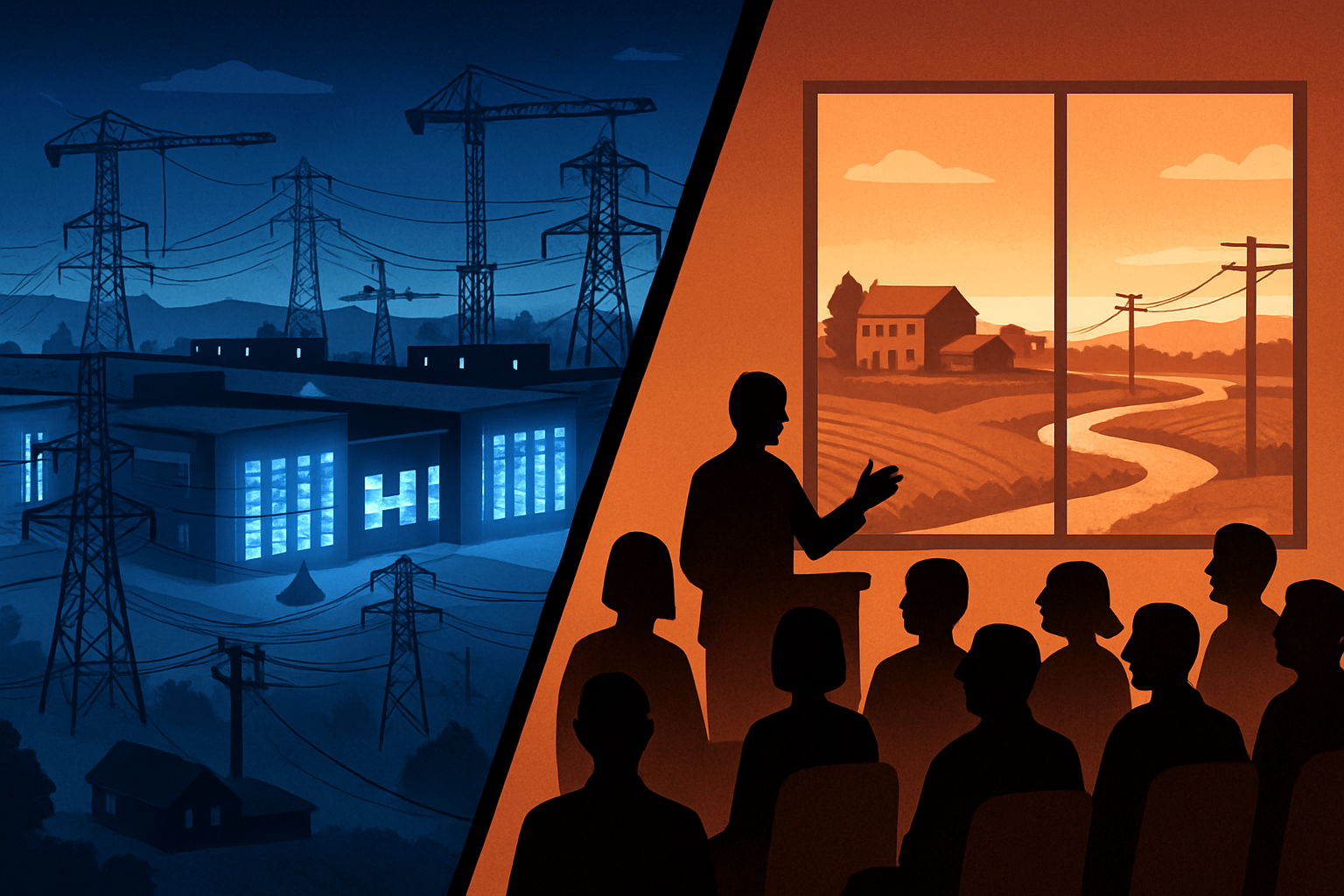
The U.S. is racing to build the data centers needed to power artificial intelligence. But across the country, residents and local officials are increasingly pushing back against the facilities, arguing that the economic promises have not been matched by adequate answers about electricity, water, pollution and who will pay for new infrastructure.
The opposition is emerging in places that do not normally share the same political identity. In August, the Associated Press reported that resistance had become a national and increasingly bipartisan issue ahead of the 2026 midterm elections. Supporters describe data centers as engines of investment, construction work and technological competition with China. Critics say projects are being approved too quickly, often before communities understand their effects on utility bills, roads, water supplies and quality of life.
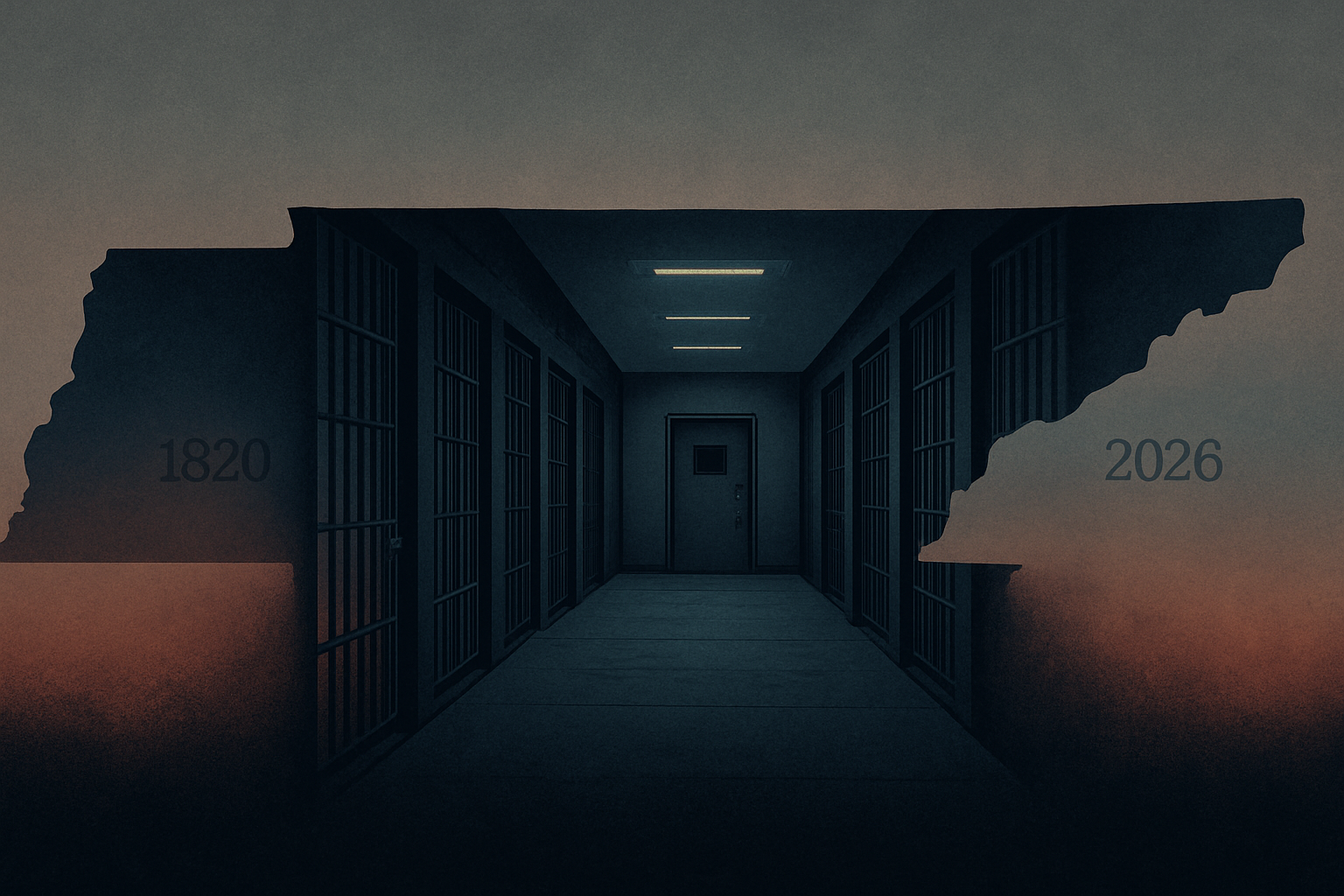
The most visible response has been a wave of temporary bans and pauses. New York became the first state to establish a statewide moratorium on new hyperscale data centers when Gov. Kathy Hochul signed an executive order in July. The pause is intended to give the state time to develop standards covering issues such as energy use, environmental impacts and local approvals. It is not designed as a permanent prohibition: projects could proceed once they meet the state’s requirements as well as local zoning and permitting rules.
Local governments are taking similar steps. In Grove City, Ohio, residents opposed a proposed 300-acre campus that Axios reported could represent a $6.9 billion investment. The city council responded by approving a one-year moratorium on data center projects. The dispute has become a test of whether a city can slow a major industrial development while officials study its long-term consequences.
The pressure is also reaching the electric grid. The Federal Energy Regulatory Commission has ordered regional grid operators to explain or revise the rules governing connections for large new electricity users, including data centers. The action reflects a central challenge of the AI boom: facilities can require enormous amounts of power, and utilities must determine how to add that demand without shifting unreasonable costs or reliability risks onto existing customers.
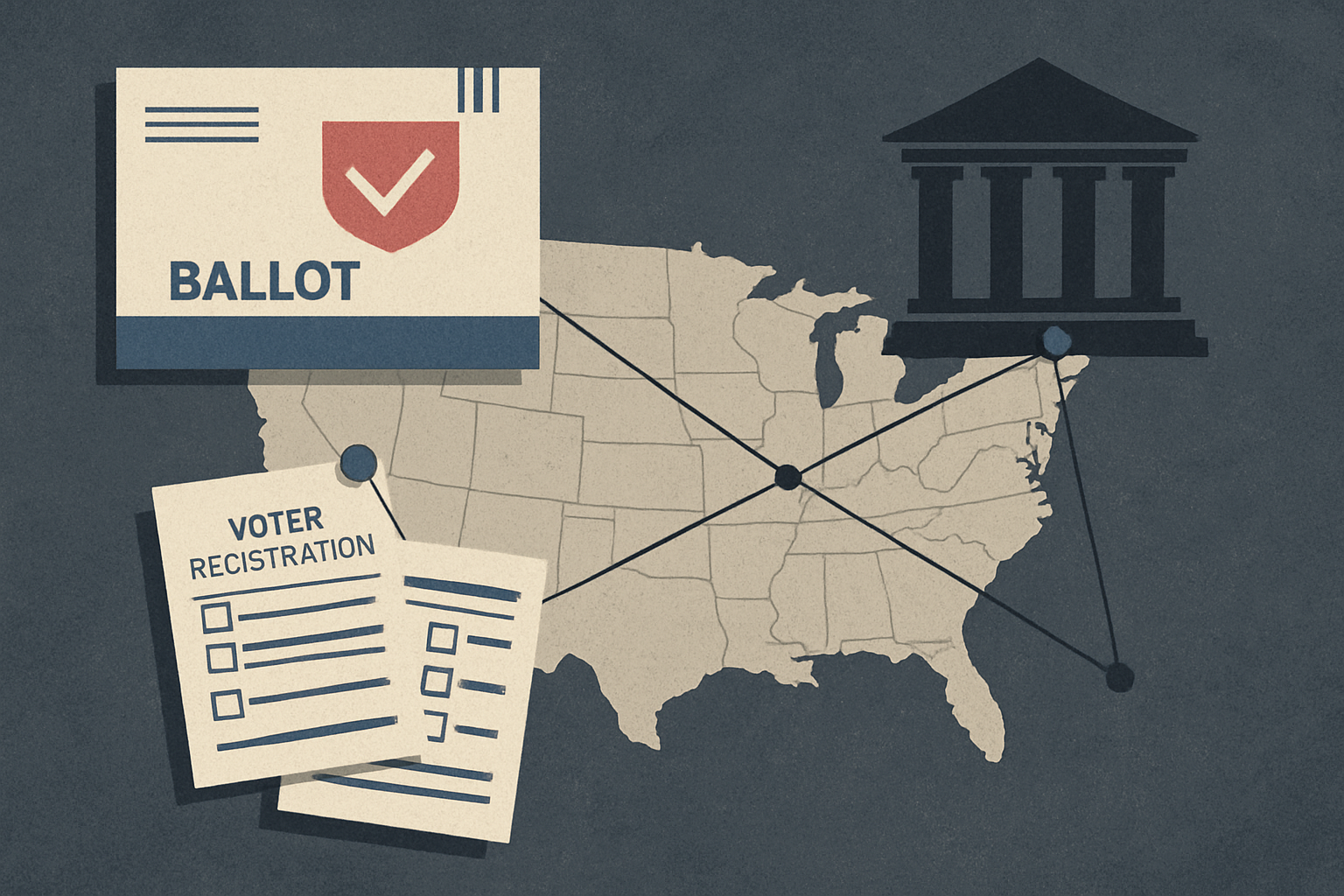
Federal policy is moving in the opposite direction. The Environmental Protection Agency issued permitting guidance in July intended to support data center development, including expanded opportunities for companies to use isolated power-generation facilities. The administration has framed faster construction as a matter of economic strength and national security. Environmental and community groups, however, have warned that changes to the permitting process could make it harder for residents to learn about proposed projects and participate before decisions are made.
That conflict—between speed and oversight—is becoming the defining argument around the buildout. Developers and their allies emphasize tax revenue, construction jobs and the possibility of attracting a major new industry to communities outside traditional technology centers. Some proposals also include commitments to pay for dedicated power and water infrastructure.
Opponents remain skeptical. They say permanent jobs may be limited once construction ends, while the facilities can occupy hundreds of acres, consume substantial energy and place pressure on water systems. Some also fear that tax incentives will leave local governments bearing infrastructure costs while companies receive the largest benefits.
The political consequences are beginning to show. Reuters reported that opponents organized protests in dozens of states in July, while pro-industry groups have begun spending in battleground states to persuade voters that data centers can be built responsibly. The issue is no longer confined to planning commissions and zoning hearings; it is becoming part of campaigns for governor, state legislatures and local office.
What happens next will depend largely on whether governments can establish rules that communities view as credible. Possible approaches include requiring developers to fund grid upgrades, disclosing expected water and power use, limiting tax subsidies, protecting public participation and setting stricter standards for noise, emissions and land use.
For the technology industry, the resistance creates a practical risk as well as a political one. A project delayed by a moratorium or permitting dispute can disrupt construction schedules and the availability of computing capacity. For communities, the debate is about whether the AI economy will arrive as a negotiated investment—or as a decision made before residents have a meaningful chance to object.
StoryBreak
Independent digital news and reporting, updated throughout the day.
This article was researched and drafted with AI assistance and reviewed as part of StoryBreak's editorial process before publication. Read our editorial standards.