U.S. Jobless Claims Fall to Lowest Level Since July, but Labor Market’s Strength Has Limits
New unemployment claims dropped to 196,000 last week, signaling that layoffs remain scarce. But Labor Day timing may have exaggerated the decline, and the broader picture is one of stable employment paired with cautious hiring.
By StoryBreak
Published September 17, 2026 at 11:49 PM
The number of Americans filing new claims for unemployment benefits fell sharply last week, offering fresh evidence that layoffs remain limited even as employers continue to hire cautiously.
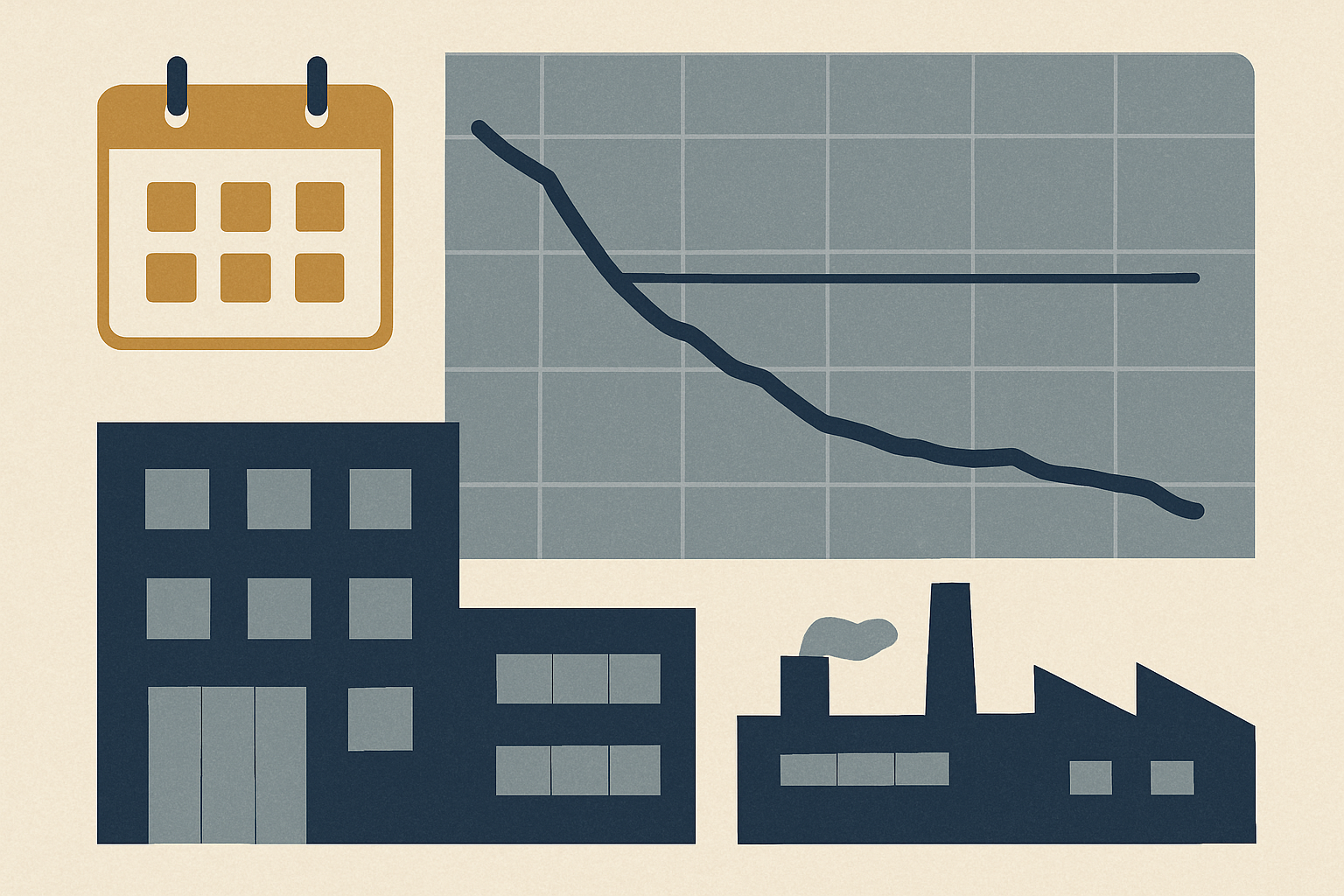
Initial claims dropped by 10,000 to a seasonally adjusted 196,000 in the week ending September 12, the U.S. Department of Labor reported Thursday. It was the lowest reading since mid-July and below the roughly 208,000 claims economists surveyed by Reuters had expected.
The four-week average, which smooths out the week-to-week swings in the data, declined by 2,750 to 203,250. That measure provides a steadier view of the labor market and remains consistent with an economy in which employers are generally holding on to existing workers.
But the headline number comes with an important qualification: Labor Day fell during the reporting period. Because the holiday moves around the calendar, seasonal adjustments can make weekly claims unusually volatile. Reuters reported that the holiday may have helped push the latest figure lower than the underlying trend would suggest.
That means the report is better read as confirmation of continued labor-market stability than as proof that hiring conditions have suddenly improved.
Jobless claims are closely watched because they provide a near-real-time indication of layoffs. When claims rise persistently, it can signal that businesses are cutting staff and that broader weakness may be ahead. When they remain low, as they have for much of this year, the more immediate message is that workers who already have jobs are generally keeping them.
The challenge is that low layoffs do not necessarily mean abundant opportunities for people looking for work. Reuters reported that continuing claims — the number of people still receiving unemployment benefits after an initial week of aid — fell by 39,000 to 1.730 million in the week ending September 5. But that figure, too, may have been affected by seasonal-adjustment problems.
The broader pattern is a labor market with two seemingly competing characteristics. Employers appear reluctant to make large-scale cuts, partly because businesses remember how difficult it was to recruit workers after the pandemic. At the same time, companies have been cautious about expanding payrolls in the face of higher costs, geopolitical uncertainty and uneven demand.
August offered a comparatively strong month for hiring, with nonfarm payrolls increasing by 162,000, according to Reuters’ account of government data. Yet job growth had slowed sharply in the preceding months, making it too early to conclude that the labor market has entered a sustained rebound.
For households, the immediate takeaway is relatively reassuring: The risk of widespread layoffs is not showing up in the claims data. For policymakers, however, the report is more complicated. A labor market can remain stable because workers are not being dismissed while still becoming harder to enter or advance within.
The next few weeks will matter. If claims remain near current levels after Labor Day effects fade, the case for a durable low-layoff trend will strengthen. If they rebound, the 196,000 figure will look more like a calendar-related dip than a meaningful change in conditions.
Sources & Further Reading
- U.S. Department of LaborPrimary source
- Associated Press
- Reuters
StoryBreak
Independent digital news and reporting, updated throughout the day.
This article was researched and drafted with AI assistance and reviewed as part of StoryBreak's editorial process before publication. Read our editorial standards.