U.S. Strikes Iranian Targets as Tehran Threatens Retaliation, Raising Fears of Wider Gulf Conflict
The United States launched a new round of strikes against Iranian military targets on September 1, 2026, after Washington accused the Islamic Revolutionary Guard Corps of threatening commercial shipping and U.S. forces. Iran responded with missile and drone attacks, while tensions around the Strait of Hormuz pushed oil prices sharply higher.
By StoryBreak
Published September 1, 2026 at 11:36 PM
The United States launched a new round of strikes against Iranian targets on Tuesday, September 1, as Tehran responded with missile and drone fire in the latest escalation of a conflict that had briefly entered a period of relative calm.
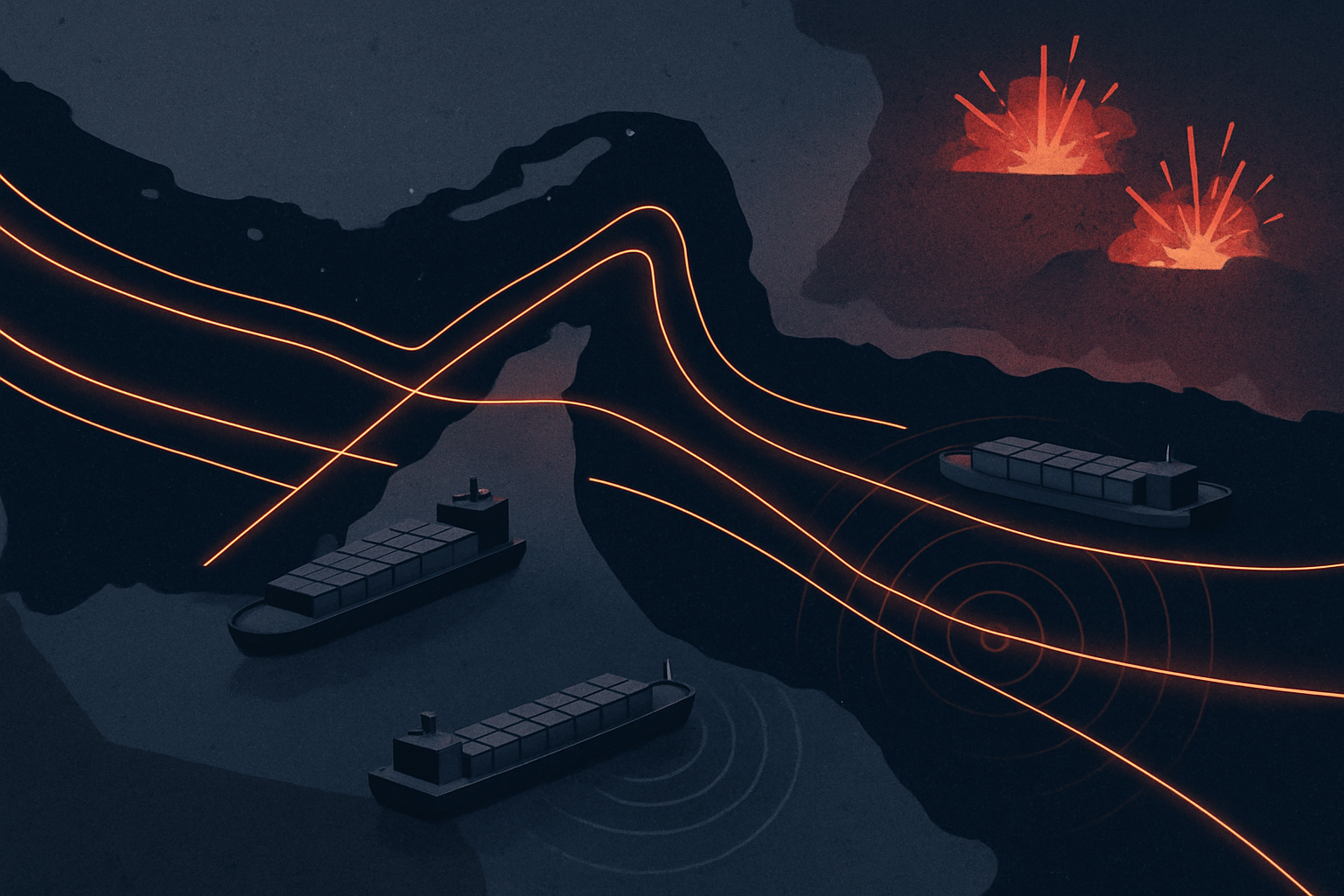
U.S. Central Command said American forces began striking Islamic Revolutionary Guard Corps targets at 1600 GMT. The command said the operation followed what it described as recent attempted attacks by the IRGC against commercial shipping in the Strait of Hormuz and against American service members deployed across the Middle East.
The Pentagon later said the strikes had been completed and included Iranian air-defense positions, radar systems and maritime assets. President Donald Trump separately said the operation was retaliation for an alleged Iranian attempt to place sea mines in the strait and for the launch of eight missiles toward a U.S. military base in Jordan. U.S. officials said the missiles were intercepted and reported no American casualties from that attack.
Iranian state and semiofficial media reported explosions in several areas near the strategic waterway, including Qeshm Island, Bandar Abbas, Chabahar, Jask and Sirik. The full extent of the damage inside Iran was not immediately clear, and accounts from the opposing sides could not be independently reconciled.
Iranian officials warned that the United States would face consequences for the strikes. President Masoud Pezeshkian, speaking at a Shanghai Cooperation Organisation summit in Bishkek, said Tehran would reciprocate if Washington returned to its commitments under a June memorandum intended to halt the conflict. Iranian lawmakers and officials also threatened to prevent oil exports from the Persian Gulf if the U.S. intensified what they described as a siege.
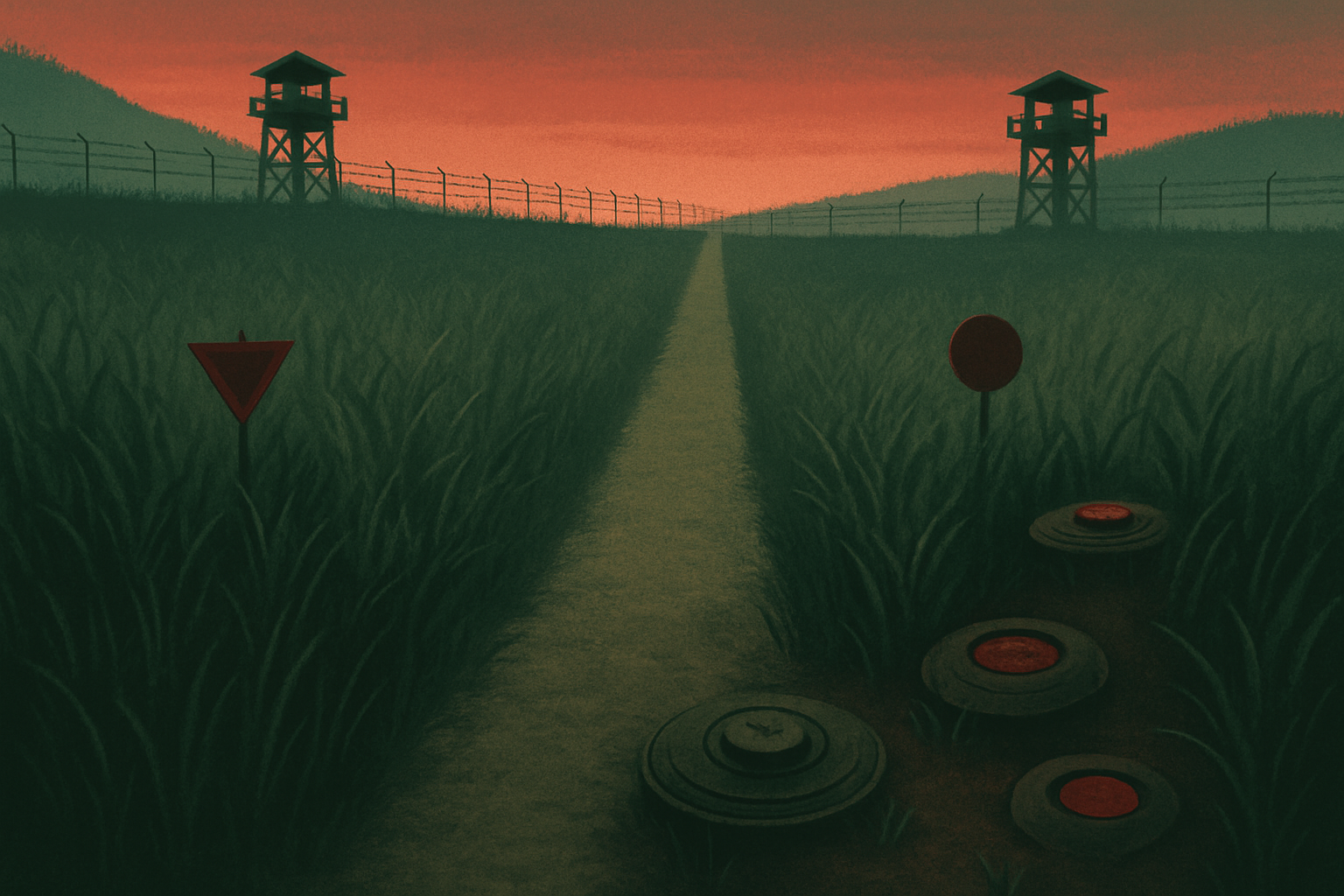
The latest exchange follows a weekend attack on Iran’s Larak Island, which U.S. officials said involved missile launchers capable of dispersing mines into the Strait of Hormuz. Iran then fired missiles at two U.S. bases in Jordan, according to American officials. The attacks ended roughly a month without direct U.S.-Iranian military action.
The confrontation has unfolded against the backdrop of a six-month-old conflict that began after U.S. and Israeli strikes in late February. A June agreement halted open fighting for a time but left major disputes unresolved, including the terms of negotiations over Iran’s nuclear program and the wider security architecture of the Gulf.
The Strait of Hormuz is a crucial route for global energy markets. Reports that two tankers had come under fire while leaving the waterway, combined with Iranian threats to stop oil exports from the Gulf, sent crude prices higher on Tuesday. Reuters reported that Brent crude settled up $4.16, or 4.6%, at $94.65 a barrel, while West Texas Intermediate rose $4.46, or 5.2%, to $90.22.
The economic consequences could widen if commercial shipping remains disrupted. The United States Embassy in Qatar urged Americans in the region to exercise heightened vigilance and warned of possible flight cancellations, airspace closures and other travel disruptions.
For now, it remains uncertain whether the strikes represent a limited exchange or the beginning of a broader military campaign. Trump warned that Iran would face stronger attacks if it retaliated, while Iranian officials signaled that they would answer further U.S. action. Those threats leave the region facing a rapidly changing security situation, with the possibility of additional strikes, attacks on shipping and renewed diplomatic efforts all still in play.
Sources & Further Reading
StoryBreak
Independent digital news and reporting, updated throughout the day.
This article was researched and drafted with AI assistance and reviewed as part of StoryBreak's editorial process before publication. Read our editorial standards.