U.S. pulls all bombers from RAF Fairford after security scare near British base
The Pentagon says every U.S. bomber deployed to RAF Fairford has returned to its home station in the United States. The move follows a counterterrorism investigation near the Gloucestershire base, but authorities have not publicly established that the suspects posed a confirmed attack threat to the aircraft.
By StoryBreak
Published October 6, 2026 at 10:27 AM EDT

The United States has removed all of its bombers from RAF Fairford in England and returned them to home stations in the United States, the Pentagon said Sunday, October 4.
The move follows a security incident near the Gloucestershire base that triggered a counterterrorism investigation and the evacuation of local residents. U.S. officials have not publicly detailed the intelligence behind the redeployment, and the Pentagon did not say whether the aircraft would return.
A Defense Department official said the movements had not been announced in real time for operational-security reasons. The official described the aircraft as having been “redeployed” to their home stations, while emphasizing that the U.S. bomber force remained capable of carrying out long-range missions.
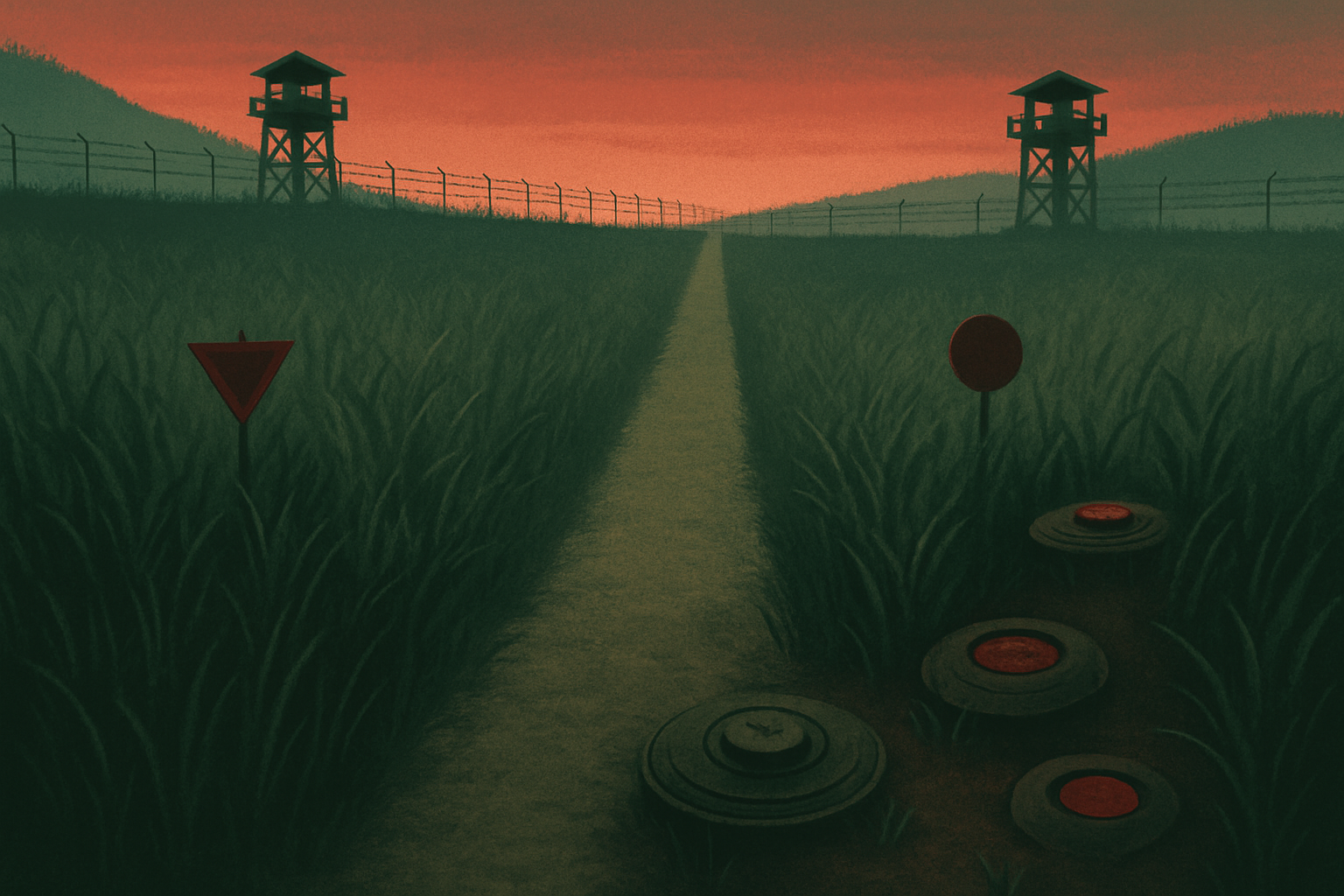
The decision came about a week after Gloucestershire police arrested five men near the base on suspicion of offenses under the Explosives Act. Police and bomb-disposal specialists responded after suspicious activity involving vehicles was reported. Residents in the area were temporarily asked to leave their homes as a precaution. The men were later released on bail, according to the Gloucestershire police and crime commissioner.
Those arrests are part of the confirmed chronology. They do not, by themselves, establish that a planned attack on the bombers had been identified or that the suspects were responsible for an operational threat. Publicly available statements have not provided a full account of the intelligence that led the U.S. military to move the aircraft.
RAF Fairford is not normally the permanent home of America’s strategic bomber fleet. It is a forward operating location used for temporary deployments, exercises and missions involving aircraft such as the B-1B Lancer, B-2 Spirit and B-52H Stratofortress. The base’s value is its position in Europe: aircraft operating from Britain can reach theaters closer to Europe and the Middle East with less transit time and fewer refueling requirements than aircraft flying from the continental United States.
That makes the withdrawal significant, but not equivalent to the loss of the U.S. bomber force in the region. The aircraft can still conduct missions from American bases, although doing so generally requires longer flights, additional aerial refueling and more demanding logistical planning. The redeployment therefore appears to reduce the usefulness of Fairford as an immediate launch point while preserving the underlying strike capability.
The incident also highlights the security dilemma surrounding forward air bases. Concentrating high-value aircraft and personnel at a known location improves access to nearby theaters, but it can also make the site more attractive to hostile states or groups. Moving the aircraft removes them from the most exposed location, while potentially sacrificing some speed and convenience.
The next important signals will be whether the Pentagon identifies a specific threat, whether British investigators bring charges against any of the people arrested, and whether new bomber deployments are scheduled for RAF Fairford. Until then, the public record supports a narrower conclusion: the aircraft have left the base, the security investigation remains active, and the reason for the urgency has not been fully disclosed.
Sources & Further Reading
- Gloucestershire Police and Crime CommissionerPrimary source
- U.S. Department of DefensePrimary source
- CBS News
- ABC News
- Associated Press
StoryBreak
Independent digital news and reporting, updated throughout the day.
This article was researched and drafted with AI assistance and reviewed as part of StoryBreak's editorial process before publication. Read our editorial standards.