
U.S. Strikes Three Iranian Oil Tankers After Ballistic-Missile Attacks on Navy Ships
The U.S. military says it disabled three Iranian oil tankers after an Iranian aircraft carrier and guided-missile destroyer came under ballistic-missile attack. The strikes mark a sharp escalation in the widening confrontation over shipping and the Strait of Hormuz.
By StoryBreak
Published September 6, 2026 at 12:18 AM
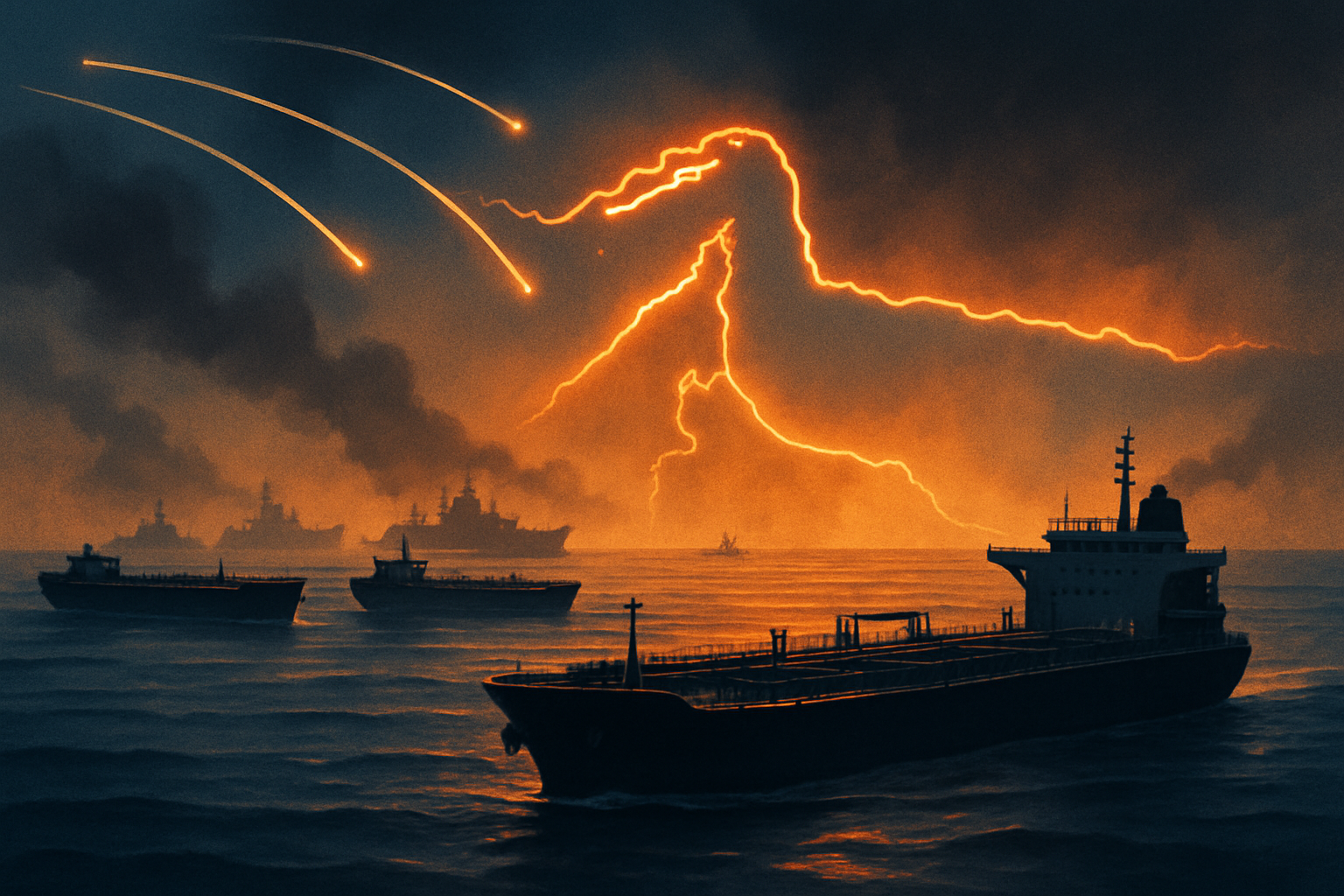
U.S. forces struck three Iranian oil tankers on Saturday after Iran launched ballistic missiles toward two American warships, according to U.S. Central Command, in the latest and potentially most consequential escalation in the fight over shipping through the Strait of Hormuz.
CENTCOM said an American aircraft carrier and a guided-missile destroyer evaded multiple Iranian attacks while operating in the region. No U.S. personnel were reported injured. The command described the missile launches as unprovoked and said the tanker strikes were carried out in response.
One of the tankers was hit in the Gulf of Oman, while another was targeted near Kharg Island, Iran’s principal oil-export terminal, according to reporting by The Associated Press and The Washington Post. The U.S. military said crews were directed to abandon at least one vessel. Details about the condition of the ships, their cargoes and any injuries among their crews remained limited as of Saturday.
The strikes represent a significant change in the pattern of retaliation between Washington and Tehran. Previous U.S. operations in the maritime confrontation have focused largely on Iranian military facilities, missile sites, coastal surveillance systems and vessels accused of violating an American blockade. Saturday’s action directly targeted oil tankers, threatening one of Iran’s most important economic lifelines.
Adm. Brad Cooper, the commander of U.S. Central Command, warned that American forces would continue defending U.S. personnel and could take further action against Iran’s oil fleet if necessary. The warning raises the prospect of additional attacks on tankers or other energy infrastructure if Iran continues targeting American or commercial shipping.
Iranian officials condemned the strikes as an act of aggression and a war crime, according to the AP. Tehran said responsibility for the consequences of continued American attacks would rest with Washington and its allies. Iranian state media also reported that an American missile struck a tanker near Kharg Island, though those reports and the U.S. account were not independently reconciled.
The immediate dispute centers on control of the Strait of Hormuz, the narrow waterway linking the Persian Gulf with the Gulf of Oman. The route is a critical channel for global energy shipments, and prolonged disruption could affect oil markets, insurance costs and commercial traffic well beyond the Middle East.
The latest exchange follows months of fighting and maritime enforcement operations. Washington has said its forces are attempting to prevent Iranian weapons attacks and stop vessels from transporting Iranian oil in violation of a U.S. blockade. Iran has rejected the blockade and has accused the United States of attacking commercial shipping and imposing unlawful economic warfare.
The competing accounts leave several important questions unresolved, including whether the tankers were carrying crude, whether any oil leaked, and whether the vessels were Iranian-flagged or operating under foreign registration. It is also unclear whether Iran will respond immediately against U.S. warships, commercial vessels or American facilities in the region.
The confrontation now carries a higher risk of direct escalation. A further attack on an American warship, tanker or port facility could prompt additional U.S. strikes, while any damage to energy infrastructure could intensify pressure on governments dependent on Gulf shipping. For now, military forces on both sides remain deployed around the waterway, and commercial operators face growing uncertainty over whether transit through the Strait of Hormuz can continue safely.
Sources & Further Reading
StoryBreak
Independent digital news and reporting, updated throughout the day.
This article was researched and drafted with AI assistance and reviewed as part of StoryBreak's editorial process before publication. Read our editorial standards.