Americans Are Putting Groceries on Buy Now, Pay Later Plans. The Debt Risk Is Growing
Nearly 1 in 10 working-age adults used buy now, pay later to purchase groceries in 2025, according to the Urban Institute. Newer survey data suggest the practice is becoming more common—and late payments are rising with it.
By StoryBreak
Published September 15, 2026 at 12:31 AM
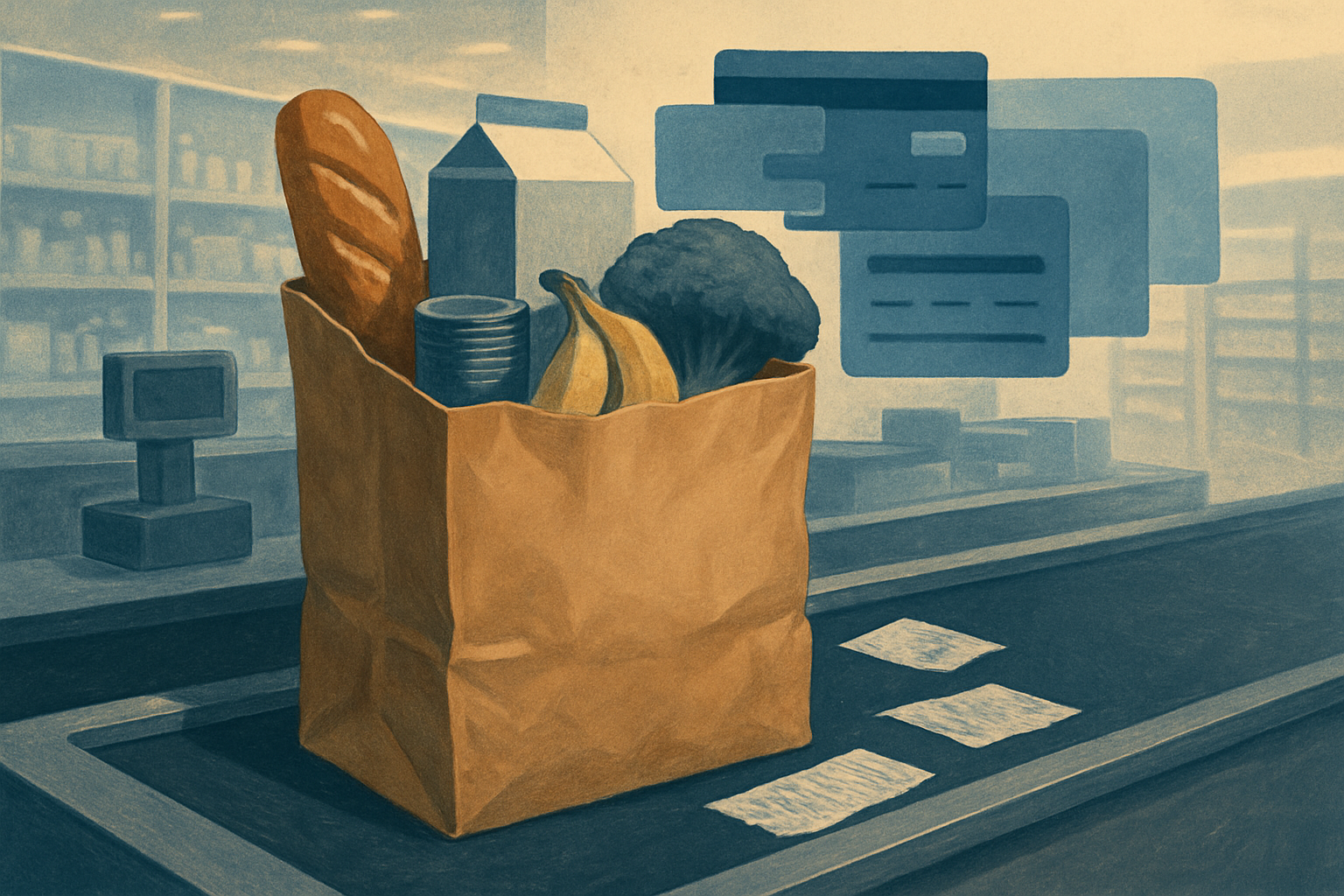
Buy now, pay later was once associated mainly with electronics, clothing and other big purchases. Increasingly, Americans are using it for something far less optional: groceries.
A new LendingTree survey found that 29% of people who have used buy now, pay later, or BNPL, used the loans to buy groceries. That was up from 25% a year earlier and 14% two years earlier. Grocery purchases now rank among the three most common uses of BNPL, behind clothing and technology.
The same survey found that 47% of BNPL users had made a late payment during the past year, up from 41% in 2025 and 34% in 2024. The figures come from a private survey, not a government measure, but they point to a broader shift: BNPL is moving from a convenience product for occasional purchases toward a tool some households use to manage routine expenses.
The Urban Institute’s analysis of its nationally representative 2025 Well-Being and Basic Needs Survey offers a different view of the scale. Nearly 1 in 10 working-age adults said they had used BNPL to buy groceries. Among those users, 34.8% reported missing a BNPL payment.
That distinction matters. LendingTree is measuring the share of BNPL users who finance groceries. The Urban Institute is measuring the share of working-age adults whose families used BNPL for groceries. The estimates are not directly interchangeable, but they tell the same general story: food is increasingly being purchased with future income.
Why groceries are different
A financed television or pair of shoes may be a one-time obligation. Groceries return every week. If a household divides one supermarket bill into four payments, the next shopping trip can arrive before the first purchase is fully paid off. Repeating that pattern can turn a short-term cash-flow solution into a stack of overlapping obligations.
The Consumer Financial Protection Bureau found that more than three-fifths of BNPL borrowers held multiple simultaneous loans at some point in 2022, while one-third had loans from more than one provider. The bureau also found that BNPL borrowers were more likely than other consumers to carry higher balances on credit cards and other unsecured credit lines.
That does not prove BNPL caused those financial problems. People already under financial pressure may be more likely to use installment loans. But it does show why a series of apparently small payments can be misleading when viewed one transaction at a time.
The debt that may not show up
BNPL can look less consequential than a credit-card balance because many pay-in-four loans do not carry traditional interest and may involve only a soft credit check. But the CFPB has warned that lenders have not typically reported these loans to nationwide credit-reporting companies in sufficient volume for outside observers to measure total BNPL debt, loan stacking or persistence of use.
In practical terms, a consumer may have several active installment plans without all of them appearing in the same place as a credit-card balance. That can make it harder for the borrower—and sometimes lenders—to see the full monthly commitment.
The pressure behind the trend is straightforward. The Urban Institute found that families with low incomes and those reporting large increases in grocery costs were especially likely to rely on credit or savings to pay for food. An AP-NORC poll published in 2025 also found widespread stress over grocery prices, including use of BNPL for essentials among younger adults.
BNPL can provide short-term breathing room, especially when a paycheck and a grocery bill do not line up. But when it becomes part of the weekly food budget, the central question changes. The issue is no longer whether a household can split one purchase into installments. It is whether future paychecks can absorb every installment created by the purchases that came before.
That is the financial meaning of grocery BNPL: not simply a new way to check out, but a sign that some consumers are financing necessities that cannot be postponed—and carrying yesterday’s food bill into tomorrow.
Sources & Further Reading
- LendingTree
- Urban InstitutePrimary source
- Consumer Financial Protection BureauPrimary source
- Consumer Financial Protection BureauPrimary source
- The Associated Press
StoryBreak
Independent digital news and reporting, updated throughout the day.
This article was researched and drafted with AI assistance and reviewed as part of StoryBreak's editorial process before publication. Read our editorial standards.