$710 Million Auto-Loan Settlement Could Erase Debt for More Than 55,000 Borrowers
Credit Acceptance will forgive more than $630 million in auto-loan debt and pay $60 million in restitution under a multistate settlement over alleged unaffordable lending and unwanted add-on products. But the headline figure is not a single cash payout, and only borrowers covered by the settlement’s terms will qualify.
By StoryBreak
Published September 18, 2026 at 12:00 AM
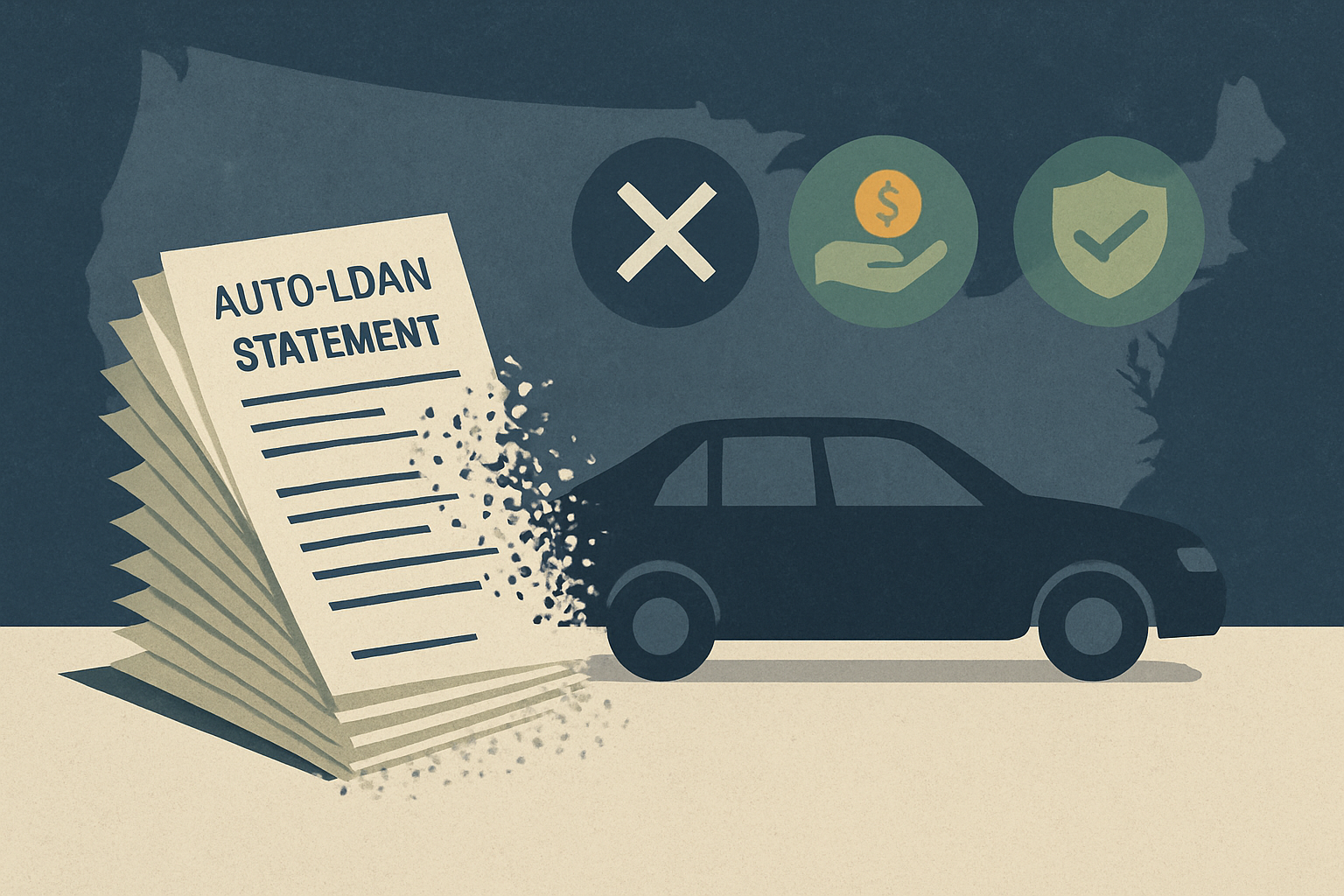
More than 55,000 borrowers could see their remaining Credit Acceptance auto-loan balances erased under a multistate settlement announced Thursday, September 17, 2026.
The agreement with 40 states and the District of Columbia provides more than $630 million in debt relief, according to the New York Attorney General’s office. Credit Acceptance will also pay $60 million in restitution to additional consumers who were misled and lost their vehicles to repossession, plus a $15.5 million penalty to the states.
That distinction matters. The frequently cited $710 million figure is a package of different forms of relief—not $710 million in checks mailed directly to borrowers. Most of the value comes from canceling outstanding balances on qualifying loans. The restitution fund is separate and is intended for other consumers who suffered specific harm.
The settlement resolves allegations that Credit Acceptance, a major lender serving borrowers with limited or impaired credit, helped finance loans that consumers could not realistically afford. State officials also alleged that dealers added products such as vehicle service contracts and insurance without clear consent, or told customers those products were required.
Credit Acceptance did not admit fault or wrongdoing in announcing the agreement. The company described the deal as a resolution of longstanding litigation and said it would provide greater clarity about regulatory expectations without requiring material changes to its operations.
The case began with a lawsuit filed in January 2023 by New York Attorney General Letitia James and the Consumer Financial Protection Bureau. The CFPB withdrew from the case in April 2025, while New York and the other states continued pursuing the matter.
The allegations point to why subprime auto lending can become financially dangerous so quickly. The New York attorney general says the average Credit Acceptance loan carried an annual interest rate above 38%, with some loans exceeding 100%. The office also alleged that nearly half of the company’s borrowers had their vehicles repossessed during their loans.
For consumers covered by the debt-relief portion, the immediate benefit is straightforward: they will no longer owe the balances identified under the settlement. But the agreement does not mean every person who has ever borrowed from Credit Acceptance will automatically receive relief. Eligibility depends on the loan and the borrower’s circumstances covered by the consent judgments.
The agreement also changes how the company must handle certain future high-risk loans. If an eligible borrower defaults within 12 or 18 months and the vehicle is repossessed and sold, Credit Acceptance must forgive 95% of the remaining debt. It may collect only the remaining 5%, and it cannot sue to collect that balance or sell the debt to another company.
Borrowers may also receive clearer information about add-on products purchased at dealerships. Credit Acceptance must contact consumers away from the showroom, explain what products were included in their contracts and provide a way to cancel those products while keeping their vehicles.
The next practical question is notification. The settlement announcements reviewed do not identify one nationwide claims deadline or a single payment date. Consumers should rely on official notices from the states or settlement administrators and be cautious about unsolicited requests for bank information or upfront fees.
The case’s broader lesson is that a large settlement number can obscure what consumers actually receive. Here, the most valuable relief is not a check but the cancellation of debt that borrowers might otherwise continue to face after a vehicle has been repossessed. For others, restitution may provide cash compensation—but only if they fall within the separate group identified by the settlement.
Sources & Further Reading
StoryBreak
Independent digital news and reporting, updated throughout the day.
This article was researched and drafted with AI assistance and reviewed as part of StoryBreak's editorial process before publication. Read our editorial standards.