Fed Raises Rates for First Time in Three Years as Inflation Stays Elevated
The Federal Reserve lifted its benchmark interest-rate target by a quarter point to 3.75%–4% on September 16, 2026, signaling that policymakers expect borrowing costs to stay higher for longer as inflation remains above target.
By StoryBreak
Published September 17, 2026 at 12:57 AM
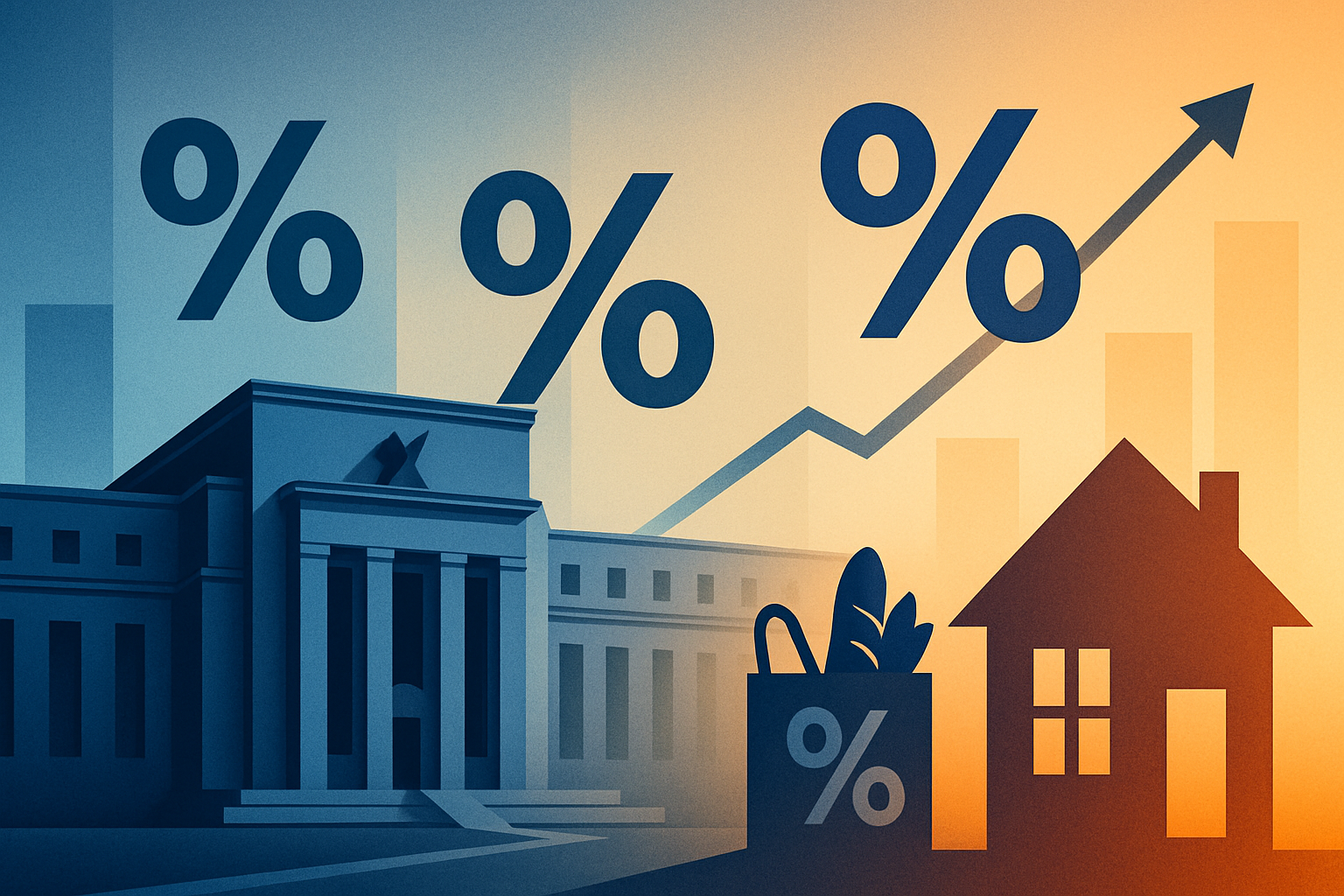
The Federal Reserve raised interest rates Wednesday for the first time in three years, turning more forcefully against inflation after months of holding policy steady.
The Federal Open Market Committee increased its target range for the federal funds rate by a quarter percentage point, to 3.75%–4%. The decision was approved unanimously, according to the central bank's statement issued after its September 15–16 meeting.
The move is a message that the Fed no longer believes its previous interest-rate setting is sufficient to bring inflation back to its 2% goal quickly enough. The committee said inflation remains elevated, while economic activity continues to expand at a solid pace, domestic spending remains resilient, and job gains have kept up with the workforce.
That combination is important. The Fed is not responding to an economy already in obvious freefall. It is responding to price pressures that have persisted while growth, productivity, and business investment have remained comparatively strong. In that situation, policymakers have more room to raise rates without immediately prioritizing emergency support for employment.
The central bank's new projections show how much its outlook has shifted. Officials now see median personal-consumption-expenditures inflation at 3.7% in 2026, easing to 2.3% in 2027 and reaching 2% in 2029. Their median projection for the federal funds rate is 4.1% at the end of both 2026 and 2027.
Those numbers are higher than the projections released in June, when the median policy-rate forecast was 3.8% for the end of 2026 and 3.6% for the end of 2027. The practical meaning is that the Fed expects restrictive borrowing conditions to last longer than it previously anticipated.
For households, the effects will not arrive all at once. Credit-card rates and other variable-rate borrowing costs can respond relatively quickly. Auto loans, business credit, and new mortgage rates are also influenced by the broader interest-rate environment, although mortgage pricing depends heavily on longer-term bond yields and market expectations. Savers may continue to benefit from higher yields on some deposits and short-term investments, but those gains vary by institution and product.
The policy also carries a risk. Higher rates can cool demand, discourage investment, and eventually weaken hiring. The Fed's projections put the median unemployment rate at 4.1% in 2026 and 2027, suggesting policymakers currently expect labor-market conditions to remain broadly stable. But that forecast depends on inflation easing without a sharper slowdown in growth.
The central bank's next moves will depend on incoming data rather than a preset schedule. Its September projections leave room for another increase, but they do not guarantee one. Inflation readings, employment reports, consumer spending, and financial-market conditions will determine whether officials judge that more restraint is needed.
For the public, the central question is whether this is a short campaign against a temporary price flare-up or the beginning of a longer period of higher rates. The Fed's latest projections point to the second possibility: inflation is expected to decline, but slowly, with interest rates staying elevated well after the initial increase.
Sources & Further Reading
- Board of Governors of the Federal Reserve SystemPrimary source
- Board of Governors of the Federal Reserve SystemPrimary source
- Board of Governors of the Federal Reserve SystemPrimary source
- Associated Press
StoryBreak
Independent digital news and reporting, updated throughout the day.
This article was researched and drafted with AI assistance and reviewed as part of StoryBreak's editorial process before publication. Read our editorial standards.