Federal Judge Blocks White House Media Ban; CNN and MS NOW Reporters Return Hours Later
A federal judge temporarily blocked President Donald Trump’s ban on CNN, MS NOW and Politico, ordering the White House to restore their press credentials. Reporters were initially turned away Thursday morning despite the ruling, but returned to the complex around midday after the outlets challenged the administration’s compliance.
By StoryBreak
Published September 25, 2026 at 12:50 AM
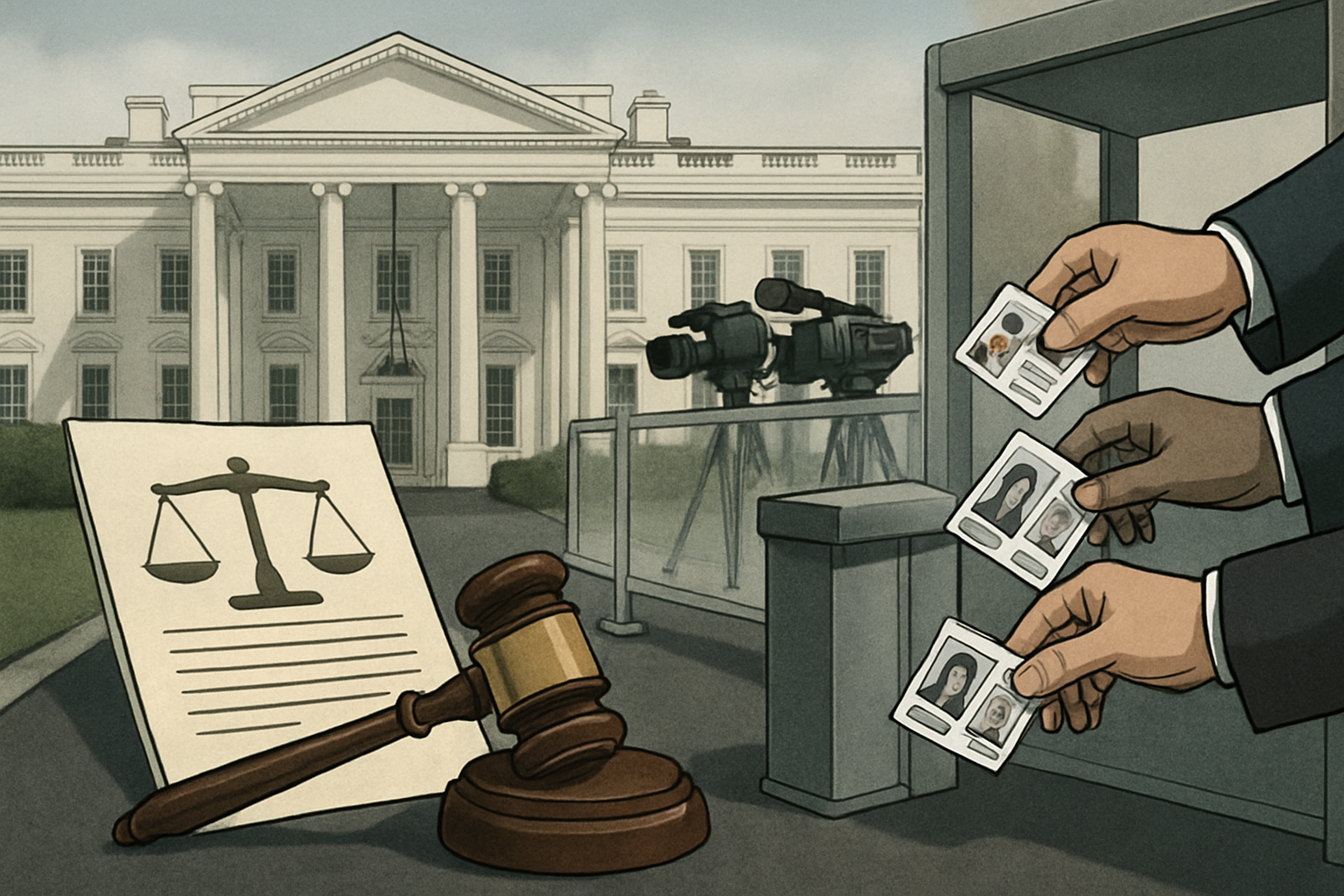
A federal judge temporarily blocked the White House from enforcing its ban on CNN, MS NOW and Politico on Thursday, ordering the Trump administration to restore the outlets’ press credentials and access to the presidential complex.
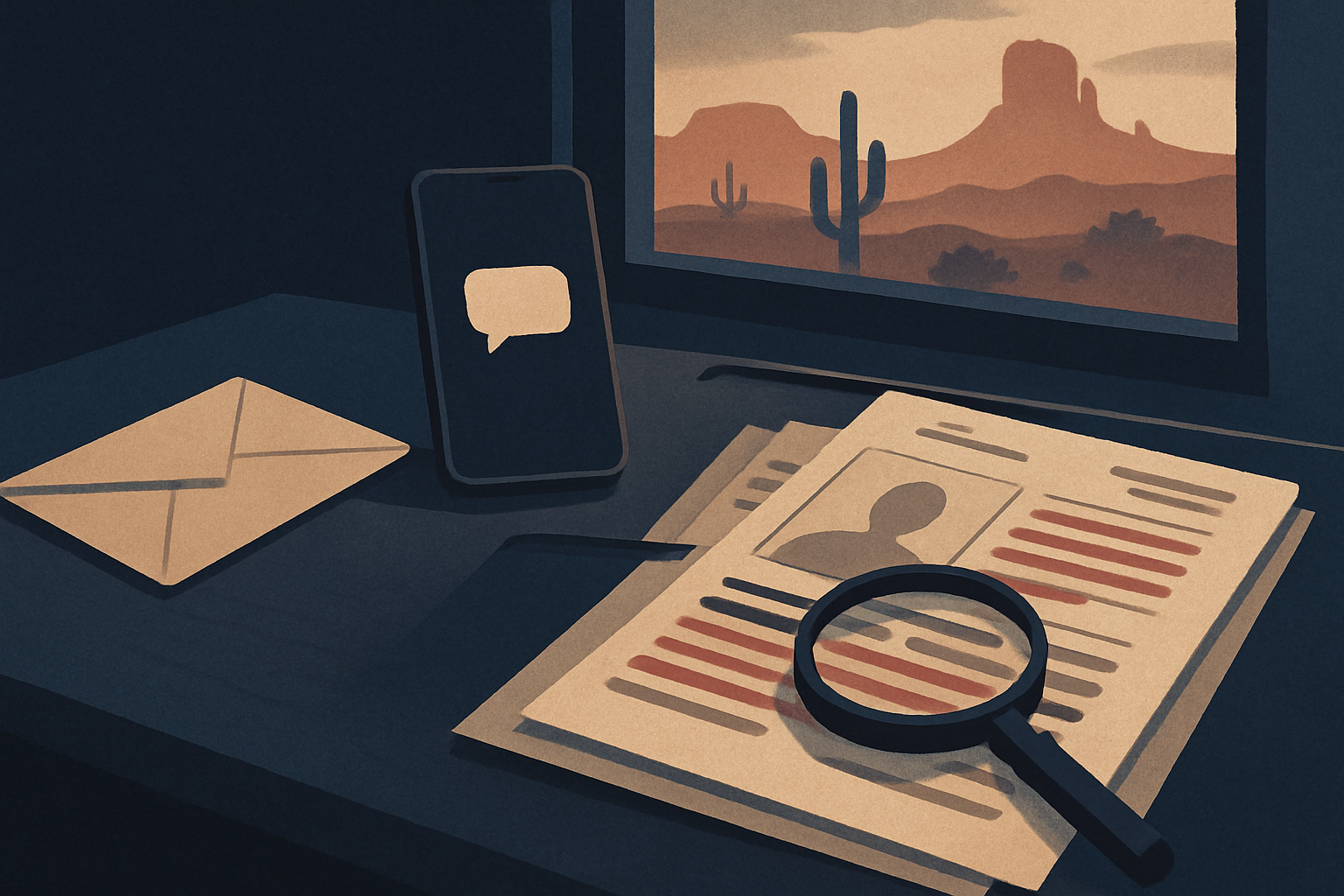
The reporters did not regain entry immediately. Journalists from the three organizations were turned away Thursday morning even after U.S. District Judge Timothy J. Kelly issued an overnight order requiring officials to “immediately” restore their access, according to coverage of the case by CBS News, NPR and other outlets.
The delay turned the credential dispute into a second legal confrontation. Lawyers for CNN, MS NOW and Politico asked the court for an emergency hearing, arguing that White House officials were continuing to deny access despite the judge’s directive. The reporters were ultimately admitted around midday, several hours after the ruling.
Kelly’s order granted the outlets temporary relief for 14 days while their broader lawsuit proceeds. The judge found that the organizations were likely to show that the government revoked their hard passes without constitutionally adequate due process, including notice and an opportunity to respond. He also questioned the administration’s explanation that the ban was justified by national-security concerns.
The White House had barred the three organizations after Trump accused them of producing “fake news” and objected to their coverage. The administration later argued in court that the outlets’ reporting raised security concerns and that the president had authority to decide who could receive access to the White House.
But the ruling did not finally decide whether the ban violated the First Amendment. Instead, it preserves access while the court examines the underlying claims. That distinction matters: Thursday’s order is an emergency measure, not a final judgment on the president’s broader power to regulate press credentials.
The episode also exposed a practical vulnerability in White House coverage. Press credentials are not merely invitations to attend a briefing; they determine whether reporters can work routinely from the complex and participate in the rotating press operations that distribute information, video and audio to other news organizations. Removing three outlets therefore affects both the targeted organizations and the broader news system that relies on shared access.
The administration’s delayed compliance may become an important part of the case. The initial question was whether the White House could exclude selected news organizations. After reporters were turned away Thursday morning, the dispute also became whether executive officials could postpone or narrow the effect of a federal court order.
For now, CNN, MS NOW and Politico journalists can return to the White House, but the resolution is temporary. The outlets are expected to seek continued access, while the administration can defend the ban, pursue further review or develop a new credentialing rationale. The next major step will be the court’s consideration of whether access should continue after the 14-day period.
The immediate result is a restoration of press access. The larger test is whether a president can punish disfavored coverage by controlling entry to the government’s most important daily news venue—and whether the courts can compel compliance quickly enough to make that protection meaningful.
Sources & Further Reading
StoryBreak
Independent digital news and reporting, updated throughout the day.
This article was researched and drafted with AI assistance and reviewed as part of StoryBreak's editorial process before publication. Read our editorial standards.