Microsoft’s New Copilot App Puts Chat, Coding and AI Agents Under One Roof
Microsoft has launched a redesigned Copilot app with three core experiences—Home, Code and Autopilot—bringing conversational assistance, AI-powered software creation and persistent agents into one interface. The move could simplify AI work, but it also raises new questions about oversight, reliability and usage-based costs.
By StoryBreak
Published September 26, 2026 at 12:25 AM
Microsoft is turning Copilot from a collection of assistants into a single operating surface for AI work.
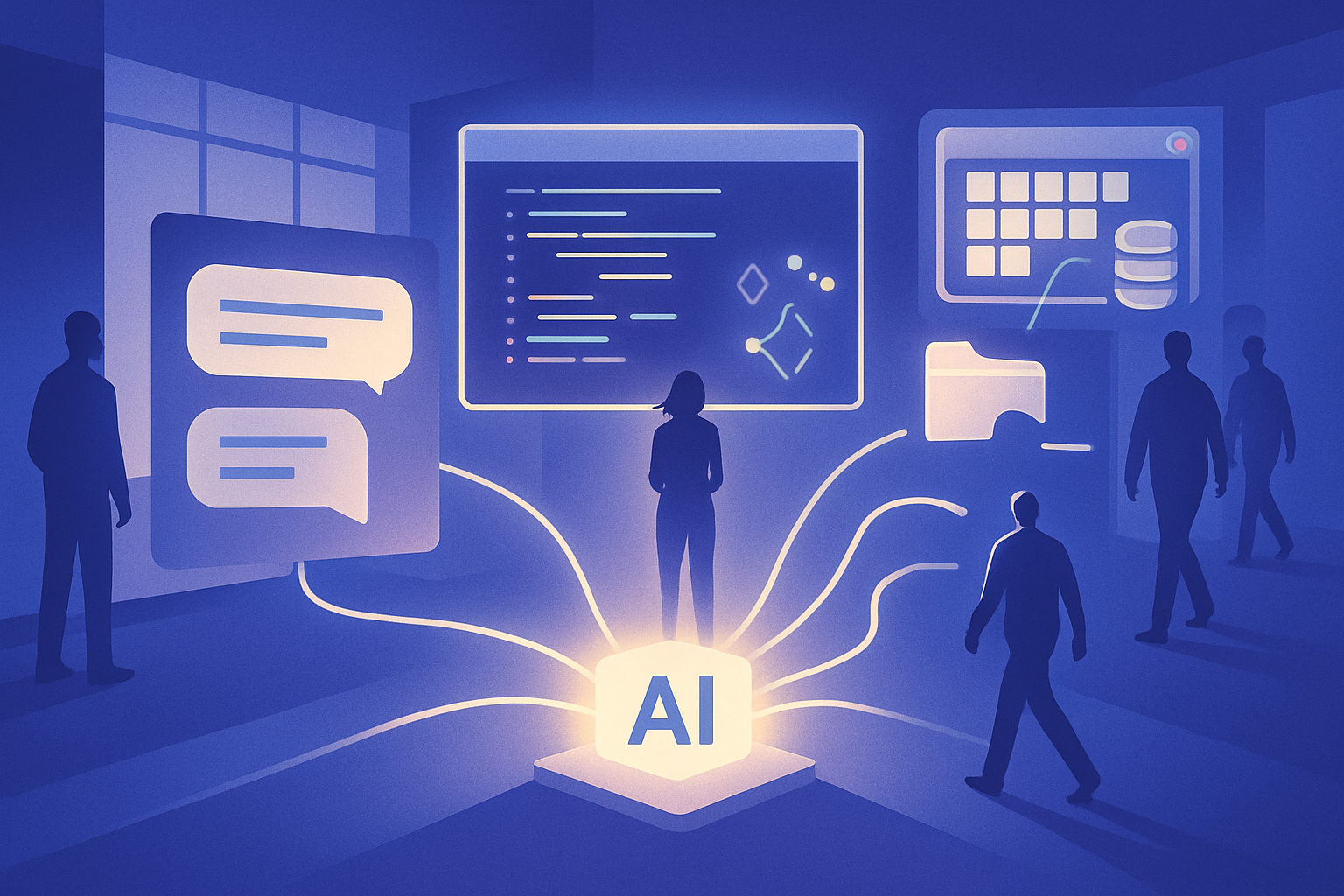
The company on Friday, September 25, unveiled a redesigned Copilot app built around three experiences: Home, Code and Autopilot. Home combines conversational Copilot with Microsoft’s Cowork tools; Code brings AI-assisted software and app creation into the same environment; and Autopilot is designed for agents that can continue working on tasks after a user hands them off.
The change matters because Microsoft is no longer presenting Copilot as simply a chatbot embedded in Word, Excel or Teams. It is positioning the app as a place where a user can ask a question, create a document, build a tool or delegate a longer-running job without moving between separate AI products.
Microsoft’s own description says Home is where Chat and Cowork come together with the broader Microsoft 365 experience. The Code section is powered by technology associated with GitHub Copilot, extending AI-assisted building beyond professional developers. Autopilot, meanwhile, is described as a persistent and proactive personal agent—an attempt to move Copilot from responding to prompts toward managing work over time.
That last step is the most consequential. A chatbot generally waits for an instruction and returns an answer. An agent can be assigned an objective, use connected tools and take multiple steps to reach an outcome. In practice, that could mean gathering information, creating a draft, updating a business system or monitoring a recurring task. It also creates more opportunities for mistakes, excessive permissions or unexpected actions.
Microsoft has been preparing the ground for this consolidation for months. In its fiscal 2026 fourth-quarter earnings call, the company said it would bring Copilot experiences—including Code—together in one application spanning consumer and commercial use. Microsoft reported more than 30 million paid Microsoft 365 Copilot seats and 50 million GitHub Copilot users, giving the unified app a large installed base to draw from.
The business model is changing alongside the interface. Microsoft has increasingly described Copilot as a combination of subscriptions and consumption, rather than a simple per-seat product. That distinction is important: an employee who occasionally asks Copilot to summarize a document is using a fundamentally different amount of computing than an agent that repeatedly researches, writes code or takes actions across company systems.
Microsoft’s partner materials say usage-based billing will be enabled by default for new Microsoft 365 Copilot Business licenses purchased through the channel beginning November 2, 2026. That does not mean every task will carry the same charge, but it signals that customers will need to monitor not only how many people have access to Copilot, but how intensively agents are used.
For Microsoft, the appeal is clear. A unified app could make its sprawling AI portfolio easier to understand and give users a reason to stay inside Microsoft’s ecosystem. It also lets the company connect its strongest assets—Office, Windows, GitHub, Azure and enterprise identity—around a common AI interface.
For customers, the promise is convenience. The question is whether that convenience will outweigh the complexity that comes with autonomous software. Companies will need rules for which agents can act without approval, what data they can reach, how their decisions are logged and how costs are capped.
The Copilot super-app strategy therefore has two tests. Microsoft must make the experience coherent enough that users actually want one AI front door. It must also make the agents predictable enough that IT departments are willing to let them cross the threshold into real work.
The launch is a significant product bet, but not yet proof that the “super app” model works. That will depend on what happens after the demo: how reliably agents complete tasks, how transparent their actions are and whether businesses can measure value before usage costs begin to compound.
Sources & Further Reading
- Microsoft Partner NetworkPrimary source
- Microsoft Investor RelationsPrimary source
- Fortune
- GeekWire
StoryBreak
Independent digital news and reporting, updated throughout the day.
This article was researched and drafted with AI assistance and reviewed as part of StoryBreak's editorial process before publication. Read our editorial standards.