
Saudi Arabia and Houthis Trade New Strikes as Yemen Becomes Another Front in Regional War
A fatality attributed to falling debris from an intercepted Houthi drone and new Saudi strikes in Yemen point to the most serious Saudi-Houthi escalation since the 2022 truce. The fighting is also putting Red Sea shipping and Saudi energy routes under fresh pressure.
By StoryBreak
Published September 17, 2026 at 11:47 PM
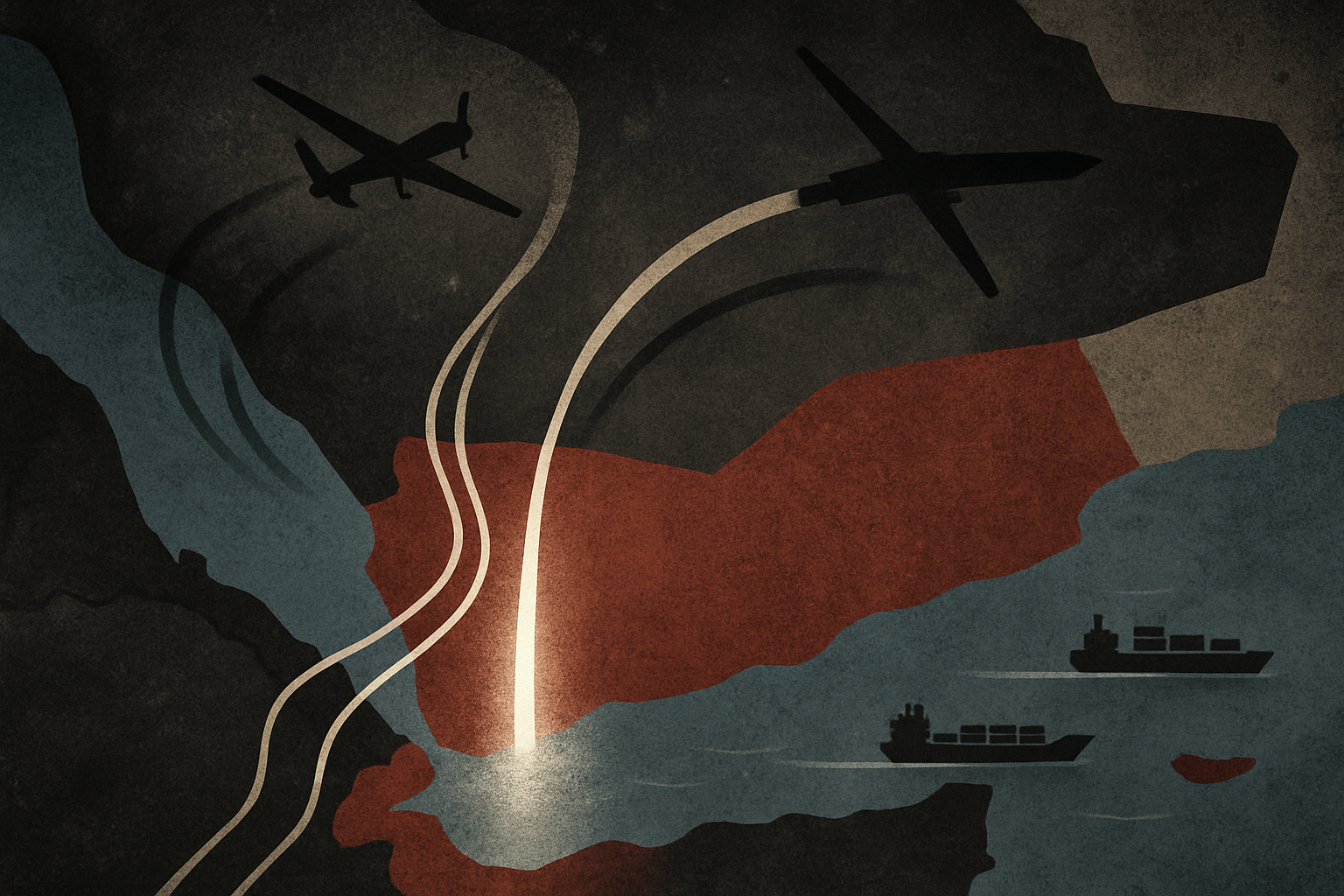
Saudi Arabia and Yemen’s Houthi movement are exchanging attacks again, opening a dangerous new front in a regional conflict that is already straining the Middle East’s main oil and shipping corridors.
Saudi authorities said debris from an intercepted Houthi drone killed one person near Mecca. The Houthis denied Saudi accusations that they had attempted to target Islam’s holiest city, calling the allegation fabricated. The conflicting accounts underscore the central problem in the latest escalation: some attacks are acknowledged by the two sides, while others remain claims that cannot yet be independently verified.
The broader pattern is less disputed. Houthi forces have launched new attacks toward Saudi Arabia, while Saudi Arabia has carried out strikes against Houthi-held areas in Yemen. The latest exchanges represent the sharpest direct confrontation between the two sides since a de facto truce in 2022 halted the worst of the Saudi-led war effort without resolving Yemen’s civil war.
The escalation is not confined to border towns or military positions. Recent reporting has linked Houthi attacks to Saudi energy facilities and Red Sea shipping, while the group has threatened vessels using Saudi ports. Saudi officials have also confronted attacks allegedly launched by Iran-aligned groups operating from Iraq, adding another layer of uncertainty over who is directing individual operations.
That matters because the geography gives the confrontation consequences far beyond Yemen. Saudi Arabia’s East-West Pipeline offers an alternative route for moving oil when Gulf shipping is threatened. At the same time, the Bab el-Mandeb Strait connects the Red Sea with the Gulf of Aden and is a vital passage for tankers and container ships. Associated Press reporting said more than 7 million barrels of petroleum a day passed through the waterway in June, compared with about 4 million before the wider regional war.
In practical terms, the Houthis do not need to destroy Saudi oil production to impose costs. Repeated drone or missile launches can force Saudi Arabia to spend heavily on air defenses, push commercial vessels to reroute or pause, and increase insurance premiums for ships operating near the Red Sea. Those costs can accumulate even when most incoming weapons are intercepted.
For Saudi Arabia, the dilemma is equally stark. Retaliatory strikes may deter further attacks, but a sustained campaign could pull the kingdom back into the open-ended Yemen war it spent years trying to exit. The Houthis, meanwhile, can use attacks against Saudi territory and shipping to increase their leverage while portraying the confrontation as part of the broader struggle with Iran’s adversaries.
The next test will be whether the exchanges remain limited or become a sustained campaign. Three developments would signal a major deterioration: confirmed damage to Saudi oil-export infrastructure, prolonged disruption around Bab el-Mandeb, or a significant expansion of Saudi air operations inside Yemen.
For now, the clearest conclusion is not that a full Saudi-Houthi war has already returned. It is that the buffer created by the 2022 truce is failing, just as the region has fewer safe routes for oil and commerce. Yemen is no longer a contained conflict; it is becoming a pressure point in a war whose economic effects can travel far beyond the Arabian Peninsula.
Sources & Further Reading
StoryBreak
Independent digital news and reporting, updated throughout the day.
This article was researched and drafted with AI assistance and reviewed as part of StoryBreak's editorial process before publication. Read our editorial standards.