Supreme Court Keeps New USPS Mail-Ballot Restrictions Blocked for November Midterms
The justices refused to let the Trump administration enforce new Postal Service requirements for mail ballots before the November 3 election, leaving states free to use their existing systems while the legal fight continues.
By StoryBreak
Published September 15, 2026 at 12:50 AM
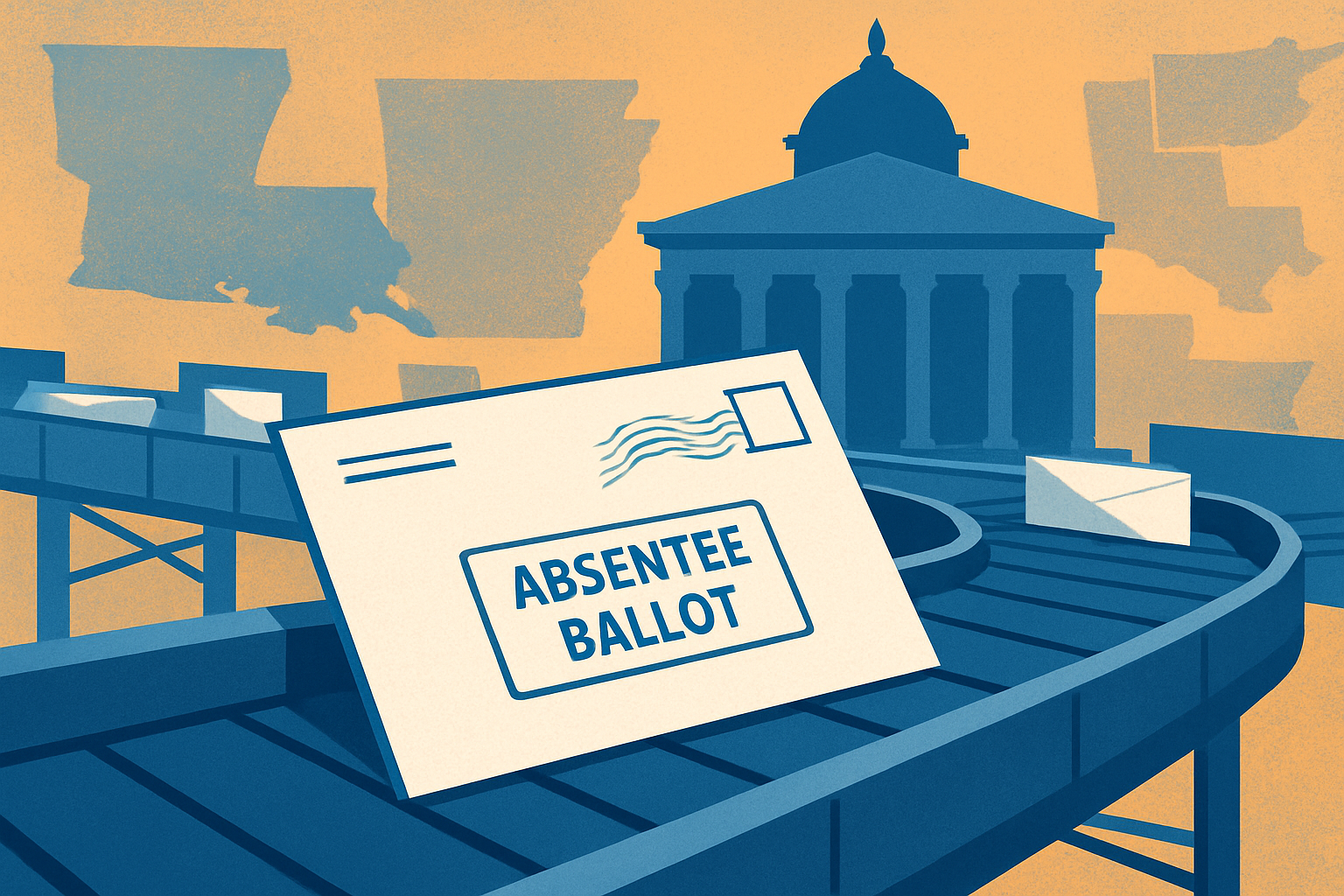
The Supreme Court on Monday refused to revive new U.S. Postal Service restrictions on mail ballots before the November 3, 2026, midterm elections, leaving a lower-court injunction in place as voting gets underway in parts of the country.
The order does not permanently strike down the rules. Instead, the justices denied the administration’s emergency request to suspend the injunction while the broader lawsuit proceeds. The Court said the government was unlikely to succeed in its challenge at this stage and that the factors governing emergency relief did not favor allowing the rules to take effect now.
The immediate practical result is straightforward: states and local election offices may continue sending and receiving mail ballots under the procedures already in place for the election. That is significant because some jurisdictions have begun mailing ballots, while others are preparing to do so in the coming weeks.
The USPS rule, finalized in late August, would have added a new federal layer to the process. States would need to use envelopes with specific design features, including an election-mail logo, scanning capabilities and a barcode unique to each voter. Election officials would also have to upload basic information about mail voters to a Postal Service portal.
Under the rule, USPS could reject and return ballot mailings that did not meet those requirements. That would have given the Postal Service a gatekeeping role before ballots reached voters—one that states and voting-rights groups argued was beyond the agency’s authority and too risky to impose so close to an election.
The administration has characterized the requirements as limited administrative safeguards and argued that states could comply without preventing anyone from voting by mail. But state officials told the courts that the changes would require new envelope designs, technology systems, staff training and data procedures on a compressed timetable.
A federal judge in Massachusetts issued the injunction blocking enforcement during the midterms. In a September 4 decision, U.S. District Judge Indira Talwani said the rule was likely unlawful and warned that forcing states to implement it so late could result in substantial disenfranchisement. The Supreme Court’s Monday order leaves that protection intact.
The ruling also exposed a fault line inside the Court. Justice Brett Kavanaugh agreed that the restrictions should not apply in the 2026 election, but wrote that there was at least a “fair prospect” that the Postal Service could have statutory authority to issue the rule. His reasoning focused on timing: state and local officials did not have enough time to implement the system reasonably before the election.
Justices Samuel Alito and Clarence Thomas dissented, arguing that the administration had made the showing required for emergency relief and that the lower-court injunction should be suspended.
That distinction matters. The Supreme Court has not finally decided whether USPS possesses the authority to impose these requirements, whether the rule complies with election law or whether the administration’s broader effort to reshape mail voting is constitutional. Those questions remain for the underlying case.
For voters, however, the near-term message is clearer. The new federal envelope and portal requirements are not scheduled to govern the November 2026 midterms under Monday’s order. Unless another court intervenes, election offices will continue operating under the mail-ballot systems they had already built—an outcome that avoids a last-minute overhaul but leaves the legal battle unresolved beyond Election Day.
Sources & Further Reading
- Supreme Court of the United StatesPrimary source
- Supreme Court of the United StatesPrimary source
- The Associated Press
- CBS News
StoryBreak
Independent digital news and reporting, updated throughout the day.
This article was researched and drafted with AI assistance and reviewed as part of StoryBreak's editorial process before publication. Read our editorial standards.