Tech ETFs May Look Diversified. Their Risk Often Isn’t.
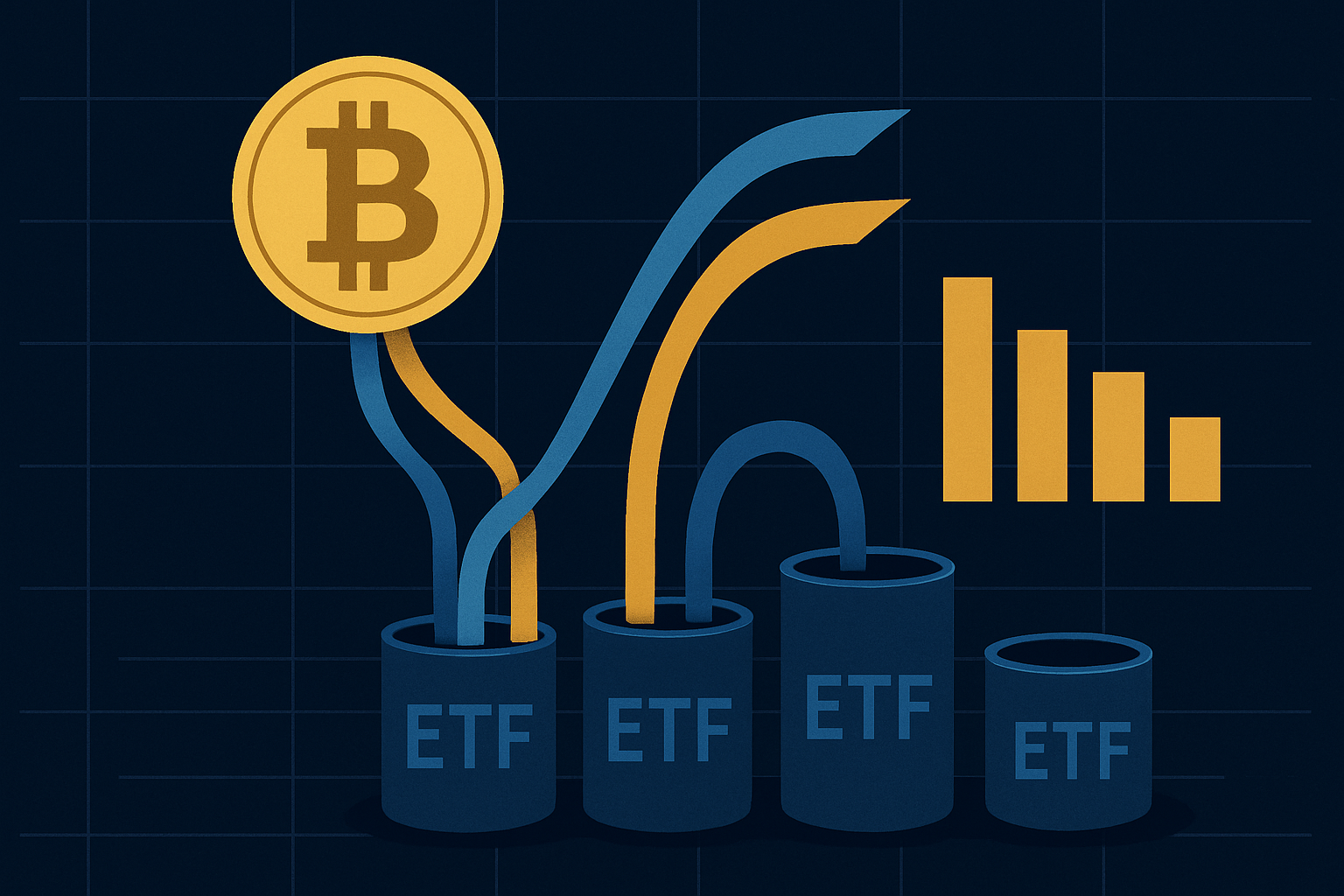
A recent analysis highlights how closely several technology-focused investments can move, especially when they share exposure to the same large-cap growth and AI themes. The lesson for investors is that owning multiple tech ETFs does not necessarily create meaningful diversification.
By StoryBreak
Published August 23, 2026 at 9:03 PM EDT
Updated September 6, 2026 at 8:54 PM EDT

Investors who spread money across several technology funds may be taking more of the same risk than they realize.
A recent analysis published by Yahoo Finance and originally reported by Barchart compared the iShares Semiconductor ETF, known by its ticker SOXX, with the ProShares UltraPro QQQ ETF, or TQQQ. Although the funds have different mandates and holdings, their recent trading patterns were described as remarkably similar.
That comparison is a reminder that the number of funds in a portfolio is not the same as the amount of diversification it provides. Funds can hold different baskets of companies while still responding to the same forces, including interest-rate expectations, investor appetite for growth stocks, artificial-intelligence spending and broad shifts between risk-taking and risk avoidance.
SOXX tracks companies in the semiconductor industry. QQQ, the fund that TQQQ seeks to magnify, tracks the Nasdaq-100, a large-cap index with substantial exposure to technology and communications companies. TQQQ is designed to deliver three times the daily performance of the Nasdaq-100 before fees and expenses, making it a leveraged product rather than a conventional technology fund.
The underlying analysis noted that SOXX and QQQ share only part of their holdings. Even so, the two funds have recently shown little separation when QQQ’s daily moves are amplified through leverage. That does not mean the funds are identical, or that the relationship will persist. It does show how market-wide factors can overwhelm differences between individual companies and industries for extended periods.
Just how much overlap can hide behind different fund names
SOXX and QQQ aren't the only widely held pair with more in common than their names suggest. Vanguard's Information Technology ETF (VGT) and QQQ shared roughly 47% to 52% of their total portfolio weight as of mid-2026, spread across around 38 common holdings, according to fund-comparison data. VGT and QQQ shared seven of their top 10 individual holdings — including Apple, Microsoft, Nvidia, Broadcom and Adobe. The Technology Select Sector SPDR Fund (XLK) shows a similar pattern: Apple, Microsoft and Nvidia alone make up close to 40% of that fund. An investor holding QQQ, VGT and XLK together may believe they've built a three-fund technology strategy, when in practice a handful of the same mega-cap names are driving the bulk of all three.
The distinction matters most when markets become less forgiving. During a rising market, overlapping exposure can make several positions appear to be working independently. If technology valuations contract or investors reduce exposure to growth stocks, however, those positions may decline together. A portfolio that appears to contain multiple themes—such as semiconductors, software, artificial intelligence or emerging technologies—may in practice be concentrated in one broad market trade.
Research from MSCI has similarly pointed to rising concentration across major equity indexes and overlapping exposure to large technology companies. In a separate 2026 analysis, the firm said the early-year weakness in U.S. equities was concentrated in technology-related industries and that the software decline reflected broad industry repricing more than sharp differentiation among individual companies.
The practical takeaway is not that investors should automatically avoid technology stocks or ETFs. Instead, portfolio construction should account for correlation, concentration and leverage alongside the fund names and stated themes. Reviewing top holdings, sector weights and the economic factors that drive each position can reveal overlap that a ticker list hides.
Investors should also treat leveraged ETFs differently from unleveraged funds. Because TQQQ targets a multiple of daily returns, its performance over longer periods can diverge significantly from three times the Nasdaq-100’s cumulative return. Daily compounding, volatility and losses can materially affect the result, particularly during choppy markets.
The Securities and Exchange Commission’s Investor.gov website recommends diversifying across investments and sectors while warning that a narrowly focused fund may not provide sufficient diversification on its own. Diversification cannot eliminate losses, but it can reduce dependence on a single company, sector or market theme.
For traders building a plan for the rest of 2026, the central question may therefore be less about how many technology positions they own and more about how much of their portfolio is ultimately tied to the same growth and AI-driven risk factor. If several holdings tend to rise and fall together, they should be treated as one broader exposure when sizing positions and setting risk limits.
This article describes publicly reported market data and third-party analysis. It is not investment advice and does not recommend buying, holding or selling any security; leveraged and concentrated ETF products in particular carry elevated risk, and readers should consult a qualified financial professional before making investment decisions.
StoryBreak
Independent digital news and reporting, updated throughout the day.
This article was researched and drafted with AI assistance and reviewed as part of StoryBreak's editorial process before publication. Read our editorial standards.