Trump puts intelligence chief Jay Clayton in charge of new federal AI task force
President Donald Trump has named Director of National Intelligence Jay Clayton to lead a new “Super Intelligence Force,” giving the administration’s AI strategy a stronger national-security focus. The task force’s authority, staffing and policy recommendations remain only partly defined.
By StoryBreak
Published October 6, 2026 at 10:26 AM EDT
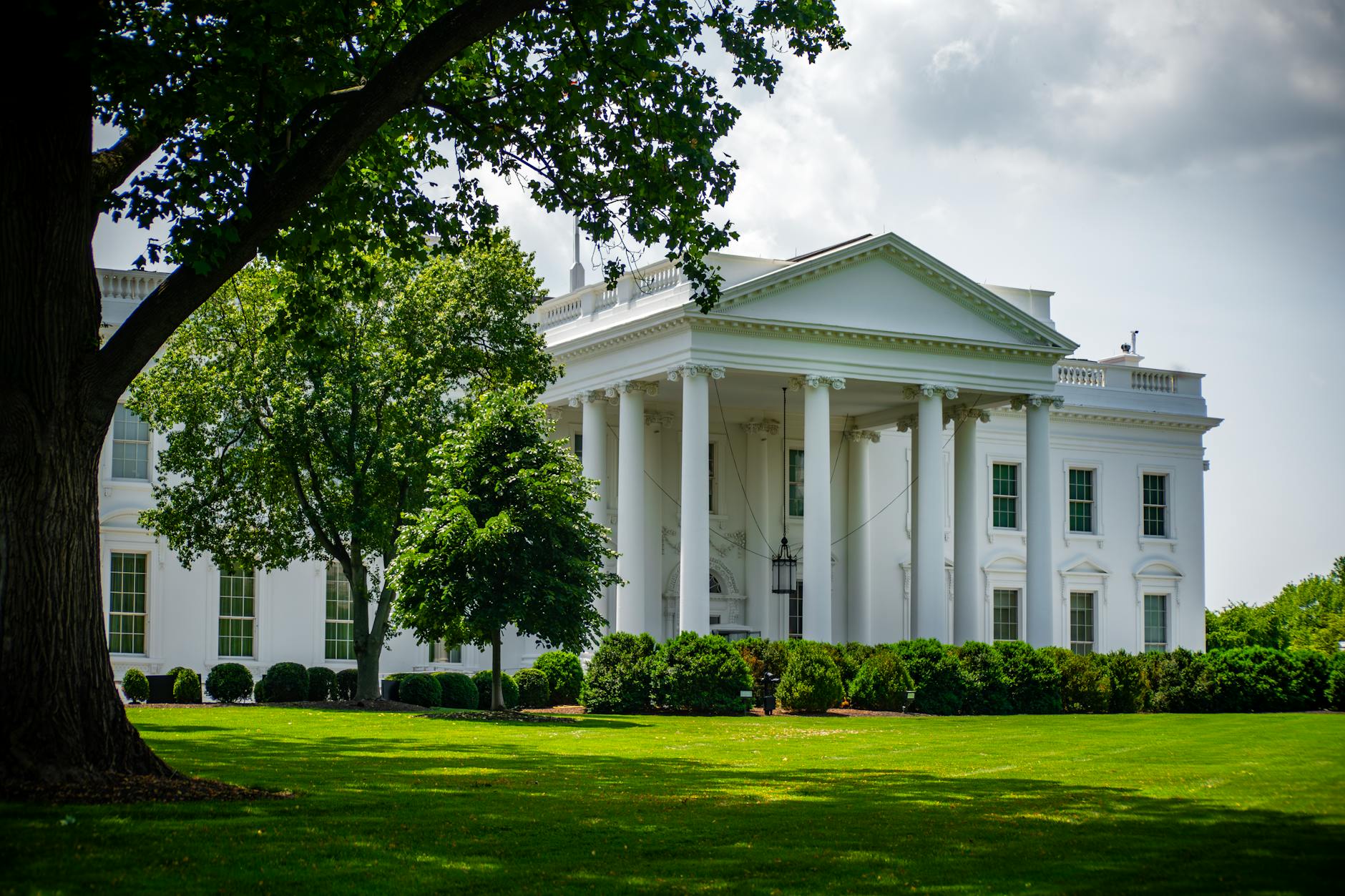
President Donald Trump has named Director of National Intelligence Jay Clayton to lead a new federal task force on artificial intelligence, placing the administration’s top intelligence official at the center of its effort to manage a fast-moving technology.
Trump announced the group on October 4, calling it the “Super Intelligence Force” and saying it would coordinate the federal government’s engagement with consumers, public-interest groups, religious organizations, critical-infrastructure providers and AI companies. The president has directed the executive branch to use “super intelligence” instead of “artificial intelligence” in official communications.
The group is also expected to include Federal Trade Commission Chairman Andrew Ferguson, Pentagon technology official Emil Michael and Office of Personnel Management Director Scott Kupor. The administration has not publicly spelled out whether the force will have independent regulatory authority or primarily coordinate existing agencies.
That distinction matters. A White House task force can bring agencies together and recommend policy, but it does not automatically gain the power to write laws, impose broad new rules or override agencies such as the FTC, Commerce Department or Department of Defense. For now, the announcement appears to create a senior coordinating structure rather than a new standalone regulator.
Clayton’s selection also signals how the administration is framing AI. Before becoming intelligence director, he served as chairman of the Securities and Exchange Commission and as U.S. attorney for the Southern District of New York. His current position gives him responsibility for overseeing the U.S. intelligence community and advising the president on intelligence matters.
That background is not the same as running a technology agency. Clayton’s role suggests the administration views advanced AI not only as an economic opportunity but also as a tool that could affect intelligence collection, cybersecurity, critical infrastructure and competition with foreign powers. It may also bring national-security concerns more directly into debates that have typically focused on consumer protection, copyright, labor markets and corporate regulation.
The timing follows a White House meeting with leading AI companies and a voluntary agreement described by Trump as a form of industry self-policing. The administration has promoted rapid development and American leadership in AI while facing pressure to clarify how companies will be held responsible for safety failures, security breaches and harmful deployments.
The immediate test for Clayton will be whether the new force produces specific policy. Key questions include whether it will recommend mandatory reporting of serious AI incidents, establish standards for models used by federal agencies, address the security of advanced computing systems, or simply coordinate existing programs.
The White House has also not made clear how Clayton will divide his time between leading the intelligence community and chairing the new AI effort. Because he is expected to retain the intelligence director’s post, the arrangement could give AI policy a direct link to national-security decision-making—but it could also create competing demands for one of the administration’s most senior officials.
For the public, the announcement is less a finished AI policy than an indication of where the administration wants responsibility concentrated. The next meaningful measure will be the task force’s membership, formal charter and first set of recommendations—not the title attached to it.
Sources & Further Reading
- The White House — The CabinetPrimary source
- The White House — Fact Sheet: President Donald J. Trump Inaugurates The Era of Super IntelligencePrimary source
- Associated Press — Trump names national intelligence director Jay Clayton to lead a new federal AI task force
- CBS News — Trump announces formation of AI “Super Intelligence Force”
- Axios — Trump expected to tap DNI Jay Clayton for AI czar
StoryBreak
Independent digital news and reporting, updated throughout the day.
This article was researched and drafted with AI assistance and reviewed as part of StoryBreak's editorial process before publication. Read our editorial standards.