Free Returns Aren’t Disappearing—They’re Becoming Conditional
Retailers are adding fees, narrowing deadlines and steering shoppers toward in-store returns as the cost of online returns rises. Here is what is driving the change and what shoppers should watch for.
By StoryBreak
Published September 9, 2026 at 4:21 PM
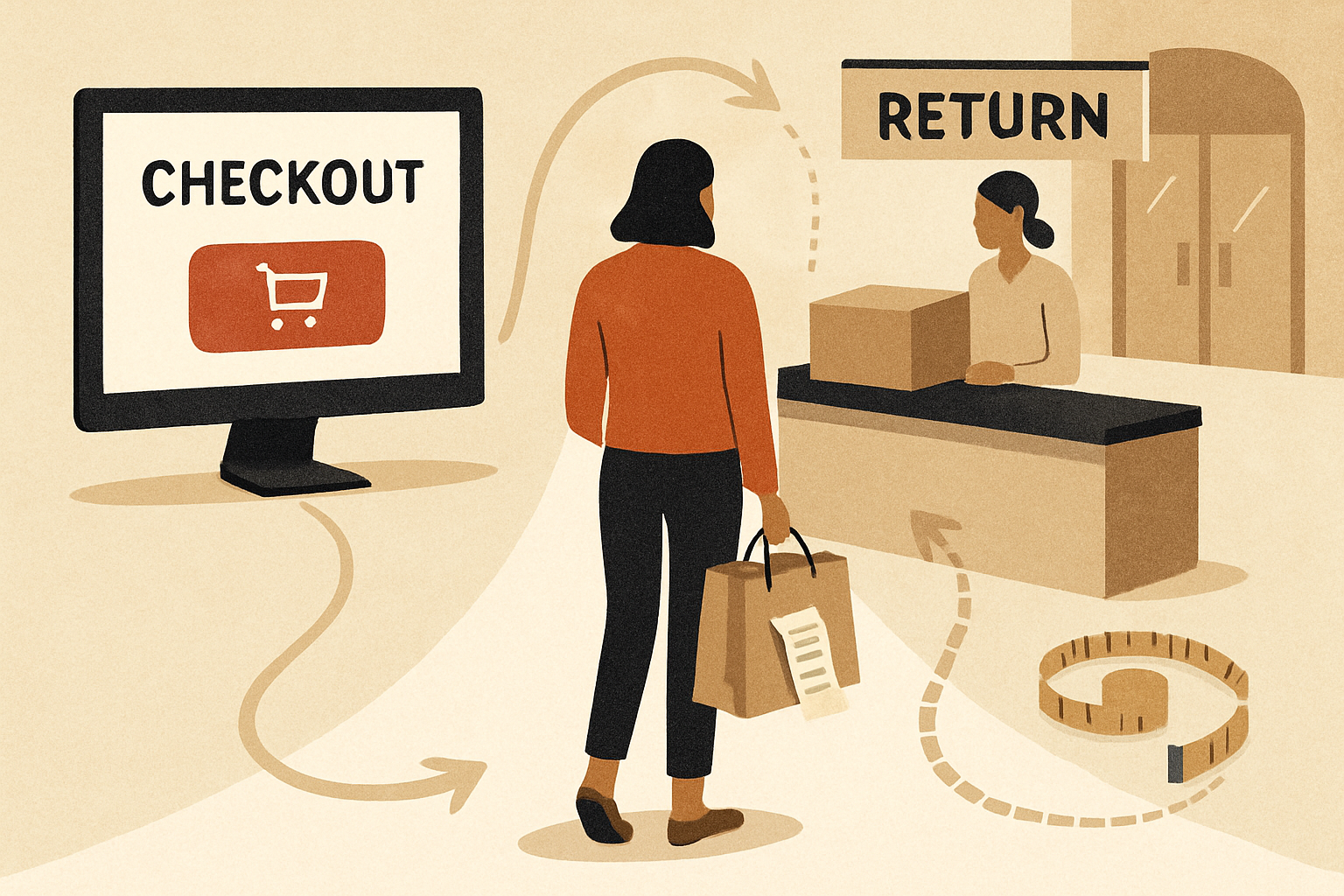
The era of the effortless online return is giving way to a more conditional bargain.
Retailers are increasingly asking shoppers to pay for some mail-in returns, bring items back to a store, meet stricter deadlines or accept that the terms may change depending on the product, seller or customer’s history. The result is not the end of returns. It is the end of the assumption that every return will be free, simple and forgiving.
The pressure is easy to quantify. The National Retail Federation estimates that U.S. consumers will return about $849.9 billion in merchandise in 2025—15.8% of annual retail sales. Online purchases are expected to be returned at a higher rate of 19.3%. That gap matters because an online return usually involves more than reversing a transaction: there may be two-way shipping, warehouse handling, inspection, repackaging and a decision about whether the item can be sold again at full price.
Retailers also say they are fighting abuse. NRF research estimates that 9% of returns are fraudulent. The problem includes more than outright theft. Shoppers may order several sizes with the intention of keeping one, wear clothing before sending it back, return a different item or exploit unclear rules. Those practices raise costs for everyone, including customers who make occasional legitimate returns.
The retail response has been a quiet redesign of the policy. A 2026 analysis of 200 U.S. retailers found that 41% offered fully free returns, including by mail. Another 46% offered free returns only in stores or under specific conditions, while 13% clearly charged for sending an item back. The common compromise is telling shoppers that returns are free—then making the free option a store visit, a limited category, a loyalty benefit or a deadline that is easy to miss.
That approach reflects a basic calculation. A return fee can discourage low-value or impulsive returns, while an in-store option lets the retailer recover the product without paying for every package moving through the mail. It can also create another chance to exchange the item or make a new purchase. In other words, friction is being used selectively: enough to reduce avoidable costs, but not so much that shoppers abandon the retailer entirely.
Retailers cannot push too far. The same NRF research found that 82% of consumers view free returns as an important consideration when shopping online, and 76% prefer a return option that provides an immediate refund or exchange. About 71% said a poor returns experience makes them less likely to shop with a retailer again.
That is why the likely future is not “no returns.” It is a tiered system. A customer returning an unused item to a store may still receive a quick, free refund. A customer mailing back a low-cost item, buying from a marketplace seller or returning repeatedly may face a fee, a slower refund or additional review.
For shoppers, the practical change is to treat the return policy as part of the price. Before buying, check whether the item is sold by the retailer or a third party, whether mail-in returns cost extra, how long the window lasts and whether the refund begins when the package is scanned or when the warehouse receives it. For clothing and shoes, ordering several sizes may no longer be a cost-free fitting room delivered to your door.
Free returns helped make online shopping feel riskless. Retailers are now trying to put some of that risk back where it began—with the person deciding whether to click “buy.”
Sources & Further Reading
- National Retail FederationPrimary source
- National Retail FederationPrimary source
- Thrifle
- WalmartPrimary source
- TargetPrimary source
StoryBreak
Independent digital news and reporting, updated throughout the day.
This article was researched and drafted with AI assistance and reviewed as part of StoryBreak's editorial process before publication. Read our editorial standards.