Toys “R” Us Is Opening 120 New U.S. Stores. But This Isn’t the Old Chain Coming Back
Toys “R” Us plans to open 120 standalone stores across the U.S. during the 2026 holiday season, bringing its standalone footprint to 160 locations. The bigger story is how differently the retailer is rebuilding: through partnerships, smaller formats and experiences aimed at both children and nostalgic adults.
By StoryBreak
Published September 25, 2026 at 3:20 AM
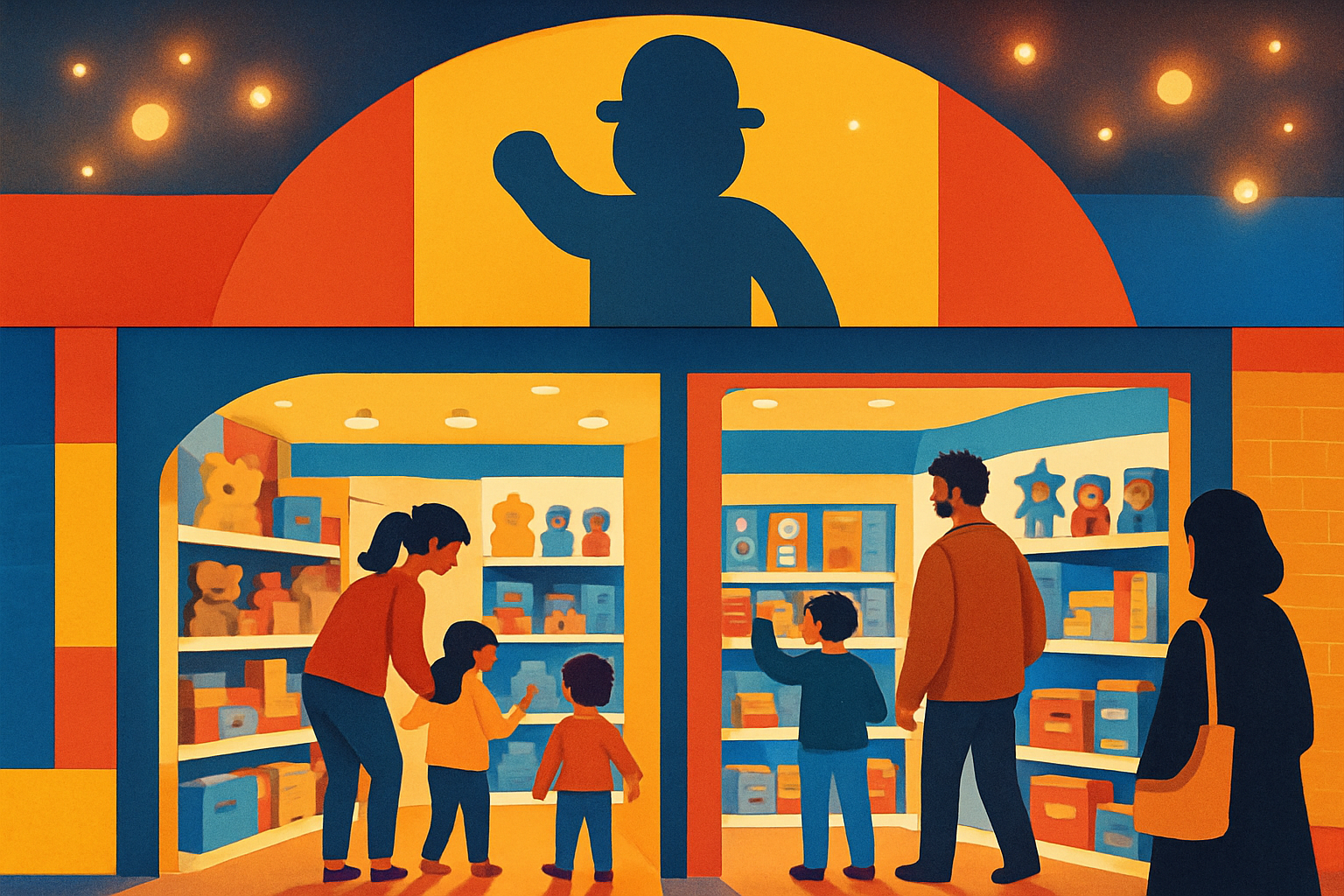
Toys “R” Us is betting that the toy store still has a place in American life—just not necessarily in the form shoppers remember.
The retailer announced September 17 that it plans to open 120 new standalone stores across the United States during the 2026 holiday season. The expansion, being carried out with Go! Retail Group, would bring the company’s standalone U.S. total to 160 locations, up from 40.
That is a striking number for a brand that liquidated its remaining American stores in 2018 after filing for bankruptcy protection in 2017. But the headline can be misleading if it suggests the return of the old big-box empire. Toys “R” Us is rebuilding through a more flexible mix of standalone shops, retail partnerships and branded experiences—not simply restoring the sprawling stores that once defined toy shopping.
The company’s U.S. presence already includes Toys “R” Us sections inside Macy’s stores. Its official store locator now promotes additional openings across the country, signaling that the latest announcement is part of a continuing physical-retail push rather than a one-off publicity event.
The merchandise strategy also reflects how toy shopping has changed. The planned stores are expected to carry familiar mass-market brands such as LEGO, Barbie, Hot Wheels and Pokémon, alongside collectibles and products tied to popular entertainment franchises. Some locations are expected to include features such as candy shops, cafés or creator-oriented spaces, turning the store into more of an outing than a place to quickly buy a present.
That matters because Toys “R” Us no longer has the market to itself. Parents can order nearly anything online, while Walmart, Target, Amazon and specialty retailers compete for the same purchases. A new physical store has to offer something digital shopping cannot: discovery, hands-on browsing, events and the emotional payoff of taking a child somewhere that feels special.
The brand also has an unusual advantage with adults. Many parents and grandparents remember Toys “R” Us as a destination from their own childhoods, and collectibles have blurred the line between children’s toys and adult purchases. Nostalgia may bring shoppers through the door, but it will not by itself guarantee that they return after the holiday season.
That is the real test of the 120-store rollout. Store count is easy to advertise; sustainable demand is harder to prove. The important questions will be where the locations open, whether they remain year-round, how large they are and whether shoppers find enough unique products and experiences to justify visiting in person.
In that sense, this is less a resurrection than a retail experiment. Toys “R” Us is using one of the most recognizable names in American retail to test whether the toy store can become relevant again—not by recreating the past exactly, but by making a physical visit feel different from an online transaction.
For families, the immediate result could be simple: more places to browse for holiday gifts and more chances to encounter the brand outside a department-store aisle. For the company, however, the 2026 holiday season will be a referendum on whether nostalgia can be converted into a durable business.
Sources & Further Reading
StoryBreak
Independent digital news and reporting, updated throughout the day.
This article was researched and drafted with AI assistance and reviewed as part of StoryBreak's editorial process before publication. Read our editorial standards.