
Chevron commits $7 billion to expand Venezuelan oil operations under new joint-venture terms
Chevron says it will invest more than $7 billion in Venezuela over the next five years and target production of roughly 600,000 barrels per day after securing additional acreage and revised fiscal, commercial and legal terms. The announcement follows a broader U.S.-Venezuela oil agreement announced August 28 and detailed by the White House on August 31.
By StoryBreak
Published September 2, 2026 at 3:48 PM
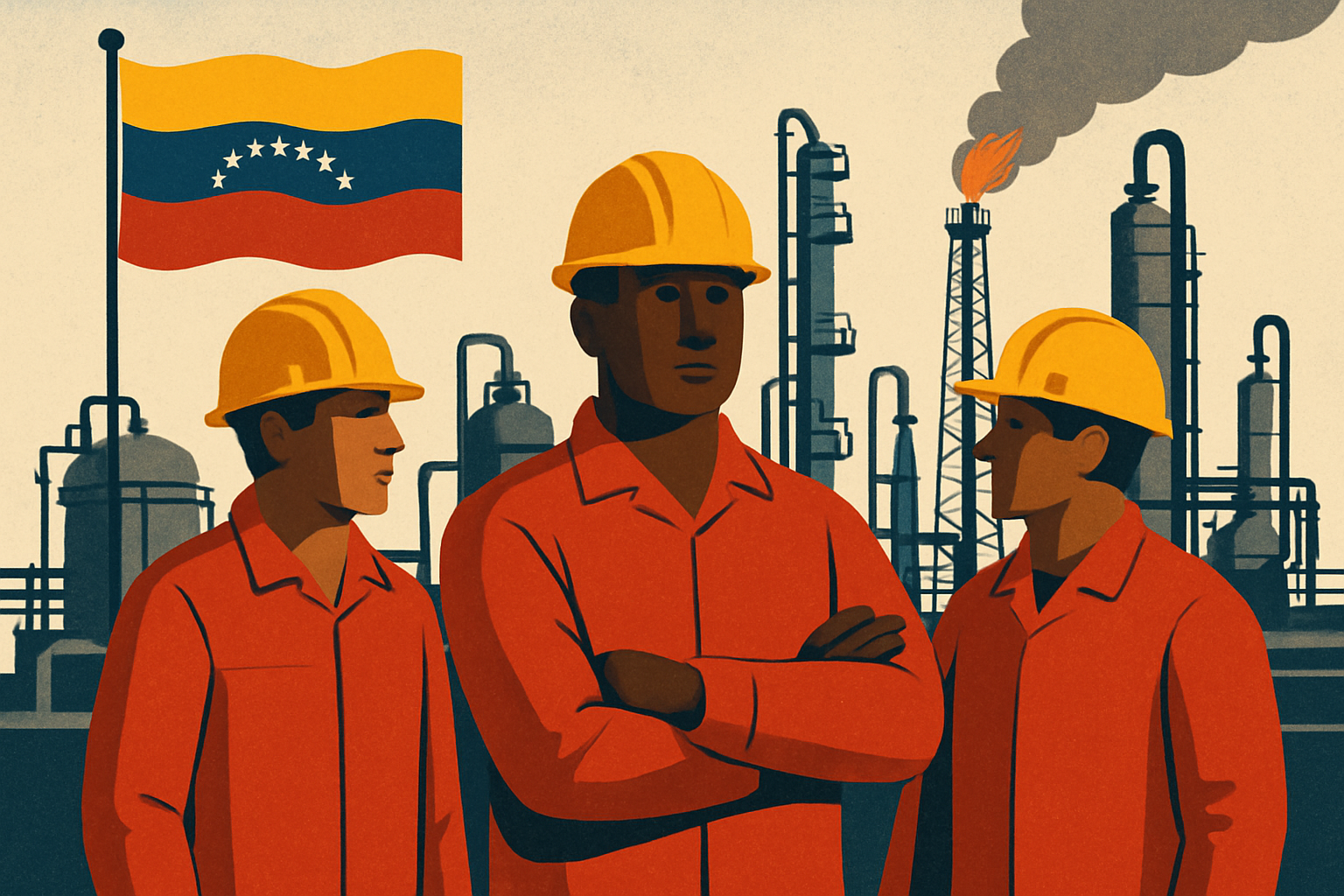
Chevron announced Wednesday, September 2, that it will invest more than $7 billion over the next five years to expand its oil operations in Venezuela, a major move that could more than double production from its Venezuelan ventures to about 600,000 barrels per day.
The company said agreements with Venezuela provide updated fiscal, commercial and legal terms for its joint ventures and assign Chevron additional acreage in the Orinoco Oil Belt, the country’s main region for extra-heavy crude. Chevron said the projects are expected to support production growth while keeping total costs below $20 per barrel.
The announcement comes days after President Donald Trump’s administration announced a separate agreement involving the United States, Venezuela and North American Blue Energy Partners, a private Venezuelan oil company. The White House said August 31 that the arrangement covers 17 oil fields with about 65 billion barrels of proven reserves and gives the U.S. government a 35% equity stake in the private company, along with rights to purchase part of its production.
Chevron’s expansion is not the same transaction as that broader U.S.-backed arrangement. Chevron said its new terms were the result of months of negotiations and involve the company’s existing Venezuelan joint ventures. The timing, however, places the announcement within Washington’s wider effort to attract American capital and technology back into Venezuela’s oil sector.
Under the agreements announced by Chevron, its Petroindependencia joint venture will develop the adjacent Carabobo-1 and Carabobo-2-South-A areas in the Orinoco Belt. Chevron’s subsidiary holds a 49% interest in Petroindependencia. The company also operates Petropiar in the Orinoco region and Petroboscan in western Venezuela.
Chevron said production from its three Venezuelan joint ventures has increased 15% so far this year. The company’s expanded position follows an April agreement that raised its working interest in Petroindependencia to 49% and gave it rights to develop the Ayacucho 8 area near Petropiar.
The company’s move matters because Venezuela holds the world’s largest reported crude-oil reserves, but years of underinvestment, economic turmoil, sanctions and operational decline have left much of its production capacity underused. Extra-heavy Venezuelan crude also requires specialized handling and refining, making access to capital, equipment and experienced operators important to any recovery plan.
Chevron has maintained a presence in Venezuela for more than a century and resumed limited operations under U.S. authorization in 2022. Its position has made it one of the few major Western oil companies still operating in the country. The company said its current agreements are intended to support long-term investment, but it also warned that results could be affected by oil prices, government policy, sanctions, project delays and political conditions.
The production target is a plan, not an immediate increase in supply. Reaching approximately 600,000 barrels per day will require new investment, development of the added acreage and continued access to financing, equipment and export markets. The agreements’ durability could also depend on future decisions by Venezuelan and U.S. authorities, as well as the implementation of the new legal and fiscal framework.
For consumers, the announcement is unlikely to produce an immediate change in gasoline prices. Any substantial increase in Venezuelan output would take time and would primarily affect regional crude supply, refinery feedstocks and the finances of the Venezuelan government and its private-sector partners. For Chevron, the deal represents a significant commitment to a potentially low-cost resource base at a time when Washington is encouraging U.S. companies to help rebuild Venezuela’s oil industry.
StoryBreak
Independent digital news and reporting, updated throughout the day.
This article was researched and drafted with AI assistance and reviewed as part of StoryBreak's editorial process before publication. Read our editorial standards.