FDA Approves Onswik, a Once-Weekly Basal Insulin for Adults With Type 2 Diabetes
Eli Lilly’s Onswik is the second once-weekly basal insulin approved in the United States this year, potentially reducing injections for some adults with type 2 diabetes from daily to weekly.
By StoryBreak
Published September 25, 2026 at 3:16 AM
The Food and Drug Administration has approved Onswik, Eli Lilly’s once-weekly basal insulin for adults with type 2 diabetes, the company said Thursday, September 24, 2026.
The medicine, whose generic name is insulin efsitora alfa-gobe, is intended to be used alongside diet and exercise to improve blood-sugar control. Unlike mealtime insulin, which is taken to cover food, basal insulin provides background insulin between meals and overnight.
That distinction matters. Onswik is not a universal substitute for every insulin regimen, and the approval does not mean that people with type 2 diabetes can stop monitoring their blood sugar or taking other prescribed medicines. Some patients may still need mealtime insulin or additional treatments.
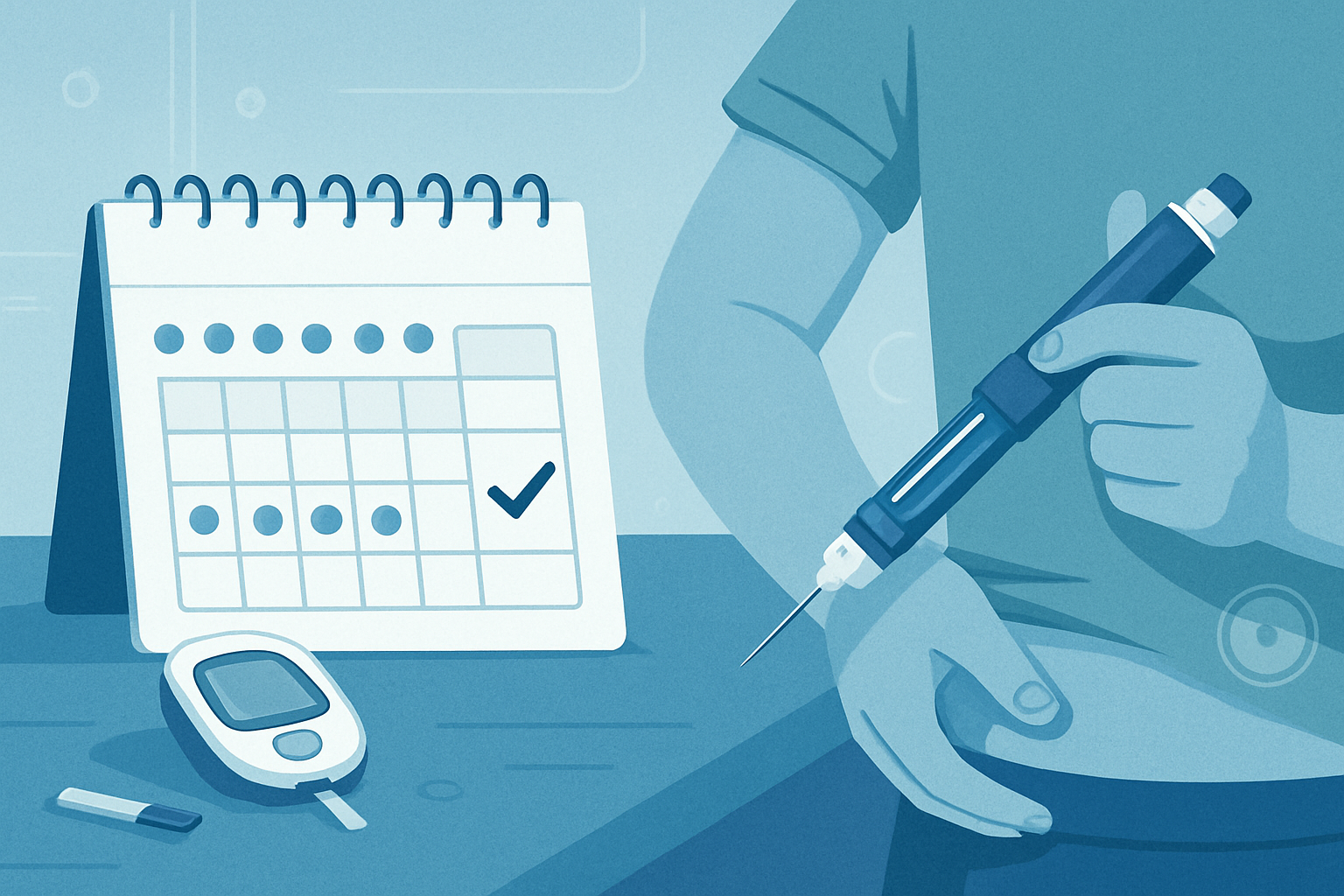
The practical appeal is simpler: fewer injections. A daily basal-insulin schedule requires roughly 365 injections a year. A weekly schedule requires about 52, a reduction of more than 300 injections annually. That may make treatment easier to fit into daily life for people who need insulin but find a daily injection routine difficult to sustain.
The FDA approval is based on Lilly’s QWINT Phase 3 program, which compared weekly efsitora with daily basal insulins including glargine and degludec. The trials studied several groups of adults with type 2 diabetes, including people starting basal insulin for the first time and people already using basal insulin. Lilly reported that Onswik met the trials’ primary goals for reducing A1C by an amount that was not worse than the daily comparator treatments.
The QWINT program included 928 participants in the QWINT-2 trial and 986 in QWINT-3, according to trial records. QWINT-2 enrolled adults starting basal insulin, while QWINT-3 studied people already treated with basal insulin. Those designs are important because a weekly insulin has to work across different stages of treatment, not only in patients newly beginning insulin.
Onswik is entering a U.S. market that did not exist at the start of 2026. In March, the FDA approved Novo Nordisk’s Awiqli, also known as insulin icodec-abae, as the first once-weekly basal insulin for adults with type 2 diabetes. Lilly’s approval gives clinicians another weekly option and introduces competition within the new category.
But approval is only the beginning of the test for weekly insulin. Patients and clinicians will need clear instructions for starting, adjusting, and managing missed doses. Because the drug is designed to provide coverage over seven days, mistakes may not behave like mistakes with a short-acting medicine. Hypoglycemia—the medical term for dangerously low blood sugar—remains a central safety concern with insulin therapy, making individualized dosing and monitoring essential.
Access may prove just as important as convenience. Lilly has not established in the materials reviewed for this article how much Onswik will cost patients, when it will be broadly available, or how insurers will cover it. A weekly injection can reduce treatment burden on paper, but its effect in everyday care will depend on whether people can obtain and afford it.
The larger change is not that insulin has become unnecessary. It is that one of the oldest and most burdensome parts of diabetes treatment is beginning to move from a daily routine toward a weekly one.
Sources & Further Reading
- Eli Lilly and Company
- Reuters
- U.S. Food and Drug AdministrationPrimary source
- Eli Lilly and Company Clinical TrialsPrimary source
- Diabetes, Obesity and MetabolismPrimary source
StoryBreak
Independent digital news and reporting, updated throughout the day.
This article was researched and drafted with AI assistance and reviewed as part of StoryBreak's editorial process before publication. Read our editorial standards.