Five Countries Are Leaving the ICC. The Bigger Crisis Is What Comes Before They Go
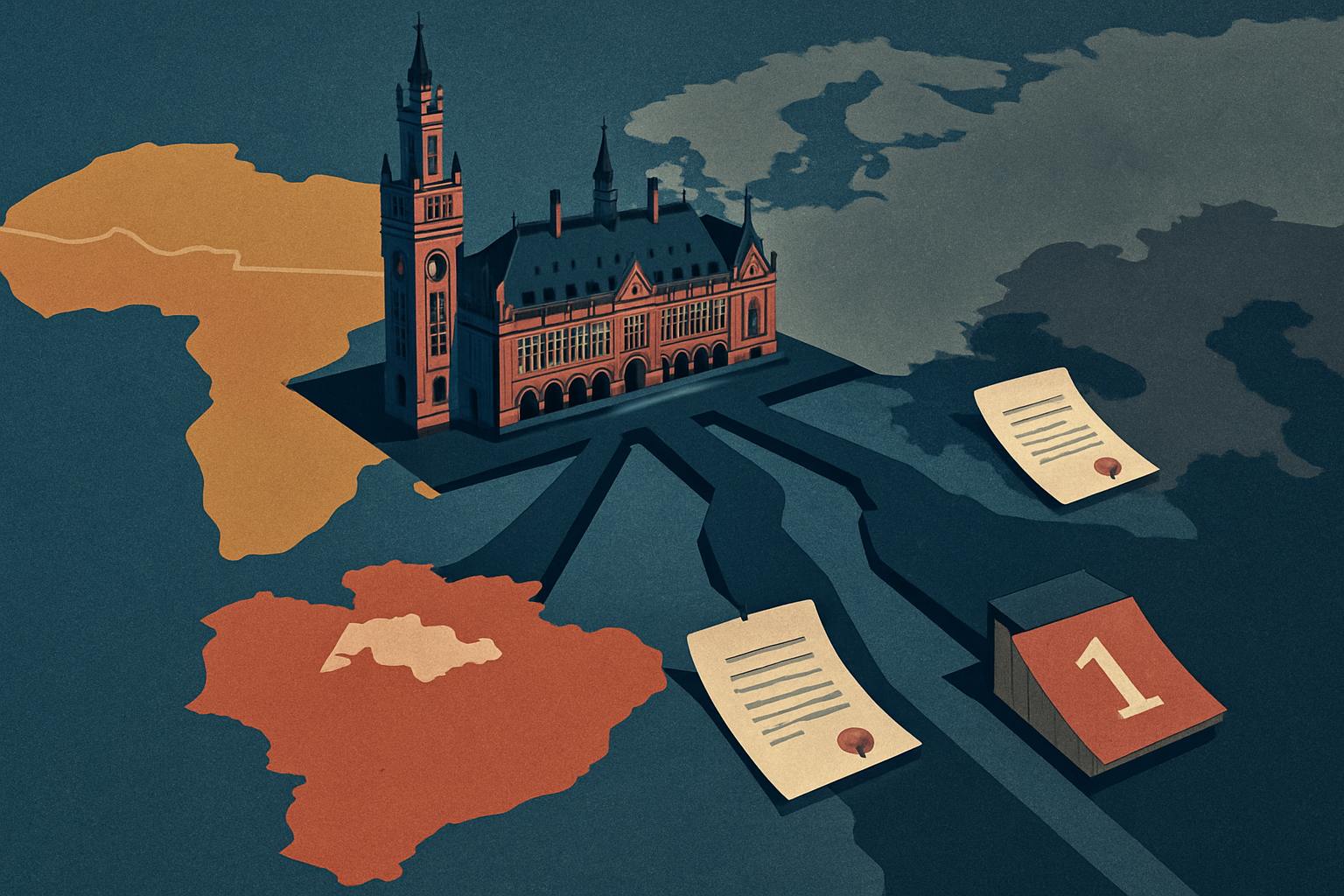
Niger, Burkina Faso, Mali, Venezuela and Chad have begun the legal process of leaving the International Criminal Court. Their exits will not take effect immediately—but the withdrawal wave exposes the tribunal’s dependence on governments that may reject its authority.
By StoryBreak
Published September 11, 2026 at 6:22 PM
The International Criminal Court is facing its most concentrated withdrawal challenge in years, with five countries formally moving to leave the tribunal since June.
Niger, Burkina Faso, Mali, Venezuela and Chad have each notified the United Nations that they intend to withdraw from the Rome Statute, the treaty that created the court. Under the treaty’s rules, none of those departures is immediate. Niger’s withdrawal is scheduled to take effect on June 18, 2027; Burkina Faso’s and Mali’s on June 24, 2027; Venezuela’s on July 24, 2027; and Chad’s on July 27, 2027.
That timetable matters. The headlines may suggest that five governments have already escaped the court’s jurisdiction. Legally, they have not. Until their withdrawals take effect, they remain parties to the treaty. And withdrawal does not simply wipe away responsibilities connected to the period when a country was a member.
The latest departures are nevertheless a serious political warning. The three Sahel governments—Burkina Faso, Mali and Niger—have accused the ICC of applying international justice selectively and of functioning as a tool of Western or neocolonial power. The governments are led by military regimes that have also reduced cooperation with former Western partners and moved closer to new regional and international alliances.
Venezuela and Chad bring a different political dimension. Their decisions came as the United States intensified pressure on the ICC, including sanctions against court officials and a campaign aimed at curbing the tribunal’s authority. The result is a widening perception that the court is being squeezed from both directions: by governments in the Global South that view it as biased, and by powerful states that reject its authority when investigations approach their own officials or allies.
The five-country wave follows Hungary’s withdrawal, which took effect on June 2, 2026. Hungary had notified the UN a year earlier, then briefly remained inside the treaty during the required waiting period. Its departure demonstrated how a government can use withdrawal not only as a legal measure, but also as a political statement—in Hungary’s case, amid a dispute over the ICC’s arrest warrant for Israeli Prime Minister Benjamin Netanyahu.
The court’s vulnerability goes beyond its membership list. The ICC has no police force. It relies on national authorities to arrest suspects, protect witnesses, provide evidence and enforce sentences. Even countries that remain members can refuse to cooperate, delay arrests or challenge the court’s decisions. A smaller membership would not necessarily end an investigation, but it could make future cooperation harder and give governments more room to ignore the tribunal.
The distinction between jurisdiction and enforcement is central. The ICC can investigate crimes committed while a state was bound by the Rome Statute, and withdrawal is not a legal amnesty for past conduct. But the court’s ability to turn an investigation into an arrest, a trial and a sentence depends on governments willing to act.
That makes the withdrawals a test of credibility rather than an immediate institutional collapse. The Rome Statute still has 125 parties, and the departing governments have not yet completed the process. Countries can also change course: South Africa and The Gambia previously reversed their withdrawal plans.
The next year will show whether the ICC’s member states can persuade the five governments to remain, or at least preserve practical cooperation. If they cannot, the court may retain its formal mandate while losing something harder to recover: the expectation that membership carries meaningful political and legal consequences.
Sources & Further Reading
- United Nations Treaty CollectionPrimary source
- International Criminal CourtPrimary source
- Associated Press
- International Criminal Court / Assembly of States PartiesPrimary source
- Human Rights Watch
StoryBreak
Independent digital news and reporting, updated throughout the day.
This article was researched and drafted with AI assistance and reviewed as part of StoryBreak's editorial process before publication. Read our editorial standards.