‘Grandma hobbies’ are making a comeback as people rediscover old-fashioned skills
Canning, fermenting, homemade spice blends and other old-fashioned kitchen projects are attracting new interest as people look for hands-on hobbies that offer a break from screens and something tangible to show for their time.
By StoryBreak
Published August 29, 2026 at 6:45 PM EDT
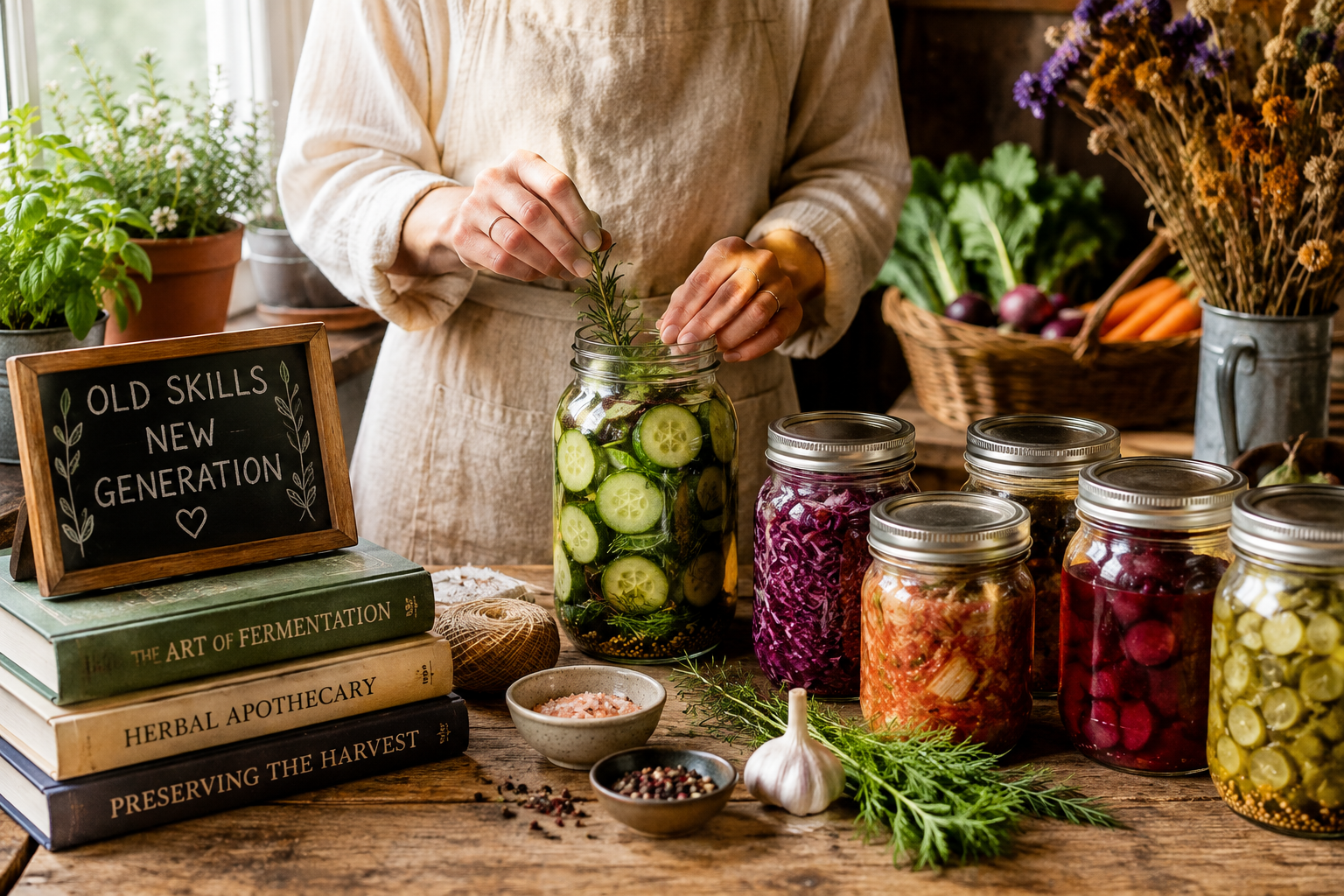
For generations, making preserves, pickling vegetables and blending spices at home weren't considered hobbies. They were simply part of everyday life.
Now some of those old-fashioned skills are finding a new audience.
Pinterest's newly released 2026 Hobbies Trend Report points to growing interest in hands-on activities that might have seemed more at home in a grandmother's kitchen than on a modern social media feed.
People are searching for information about fermenting foods, making spice blends, growing herbs, preserving produce and even making reusable beeswax wraps.
The trend has picked up a fitting nickname: “grandma hobbies.”
Old-fashioned skills are suddenly trending
Pinterest's search data shows just how quickly interest in some of these activities is growing.
Searches for homemade spice blends increased 209%, while searches for kombucha SCOBY recipes climbed 201%.
Other increases include:
Strawberry lemonade concentrate canning: +110%
Fermenting recipes: +106%
Indoor herb garden ideas: +50%
Pickled beet canning recipes: +42%
Interest in making beeswax wraps increased 250%, while searches for “herbal apothecary” soared 595%.
Pinterest calculated the changes using global search data, generally comparing May 2025 with May 2026. That means the numbers reflect activity among Pinterest users rather than proving that the same percentage of Americans overall have taken up these hobbies.
Still, the increases provide a striking indication of what people are interested in learning.
Why are people looking backward?
The renewed interest is part of a larger movement toward hobbies that produce something tangible.
After spending much of their day looking at phones and computers, some people appear to be searching for activities that require their hands and attention instead.
Pinterest describes the shift as people looking for hobbies with “real life results” — projects that can be touched, eaten, displayed, collected or given to someone else.
That can make an activity like pickling vegetables fundamentally different from spending another hour scrolling through a social media feed.
At the end, there's a jar of pickles.
Making jam produces something for breakfast. Growing herbs can supply ingredients for dinner. A homemade spice blend can become part of meals for months.
The hobbies are recreational, but they're also useful.
The kitchen is becoming a hobby space
Pinterest calls one version of the trend “Kitchen Witch.”
Despite the whimsical name, many of the activities involved are extremely traditional: preserving foods, growing and drying herbs, making infusions, blending spices, fermenting ingredients and making household items from beeswax and fabric.
The aesthetic surrounding the trend embraces amber bottles, handwritten labels, mismatched glass jars, wooden utensils, dried flowers and shelves filled with homemade ingredients.
It's a modern presentation of skills that have existed for generations.
And many of them don't require a large garden, farmhouse or specialized workshop.
An indoor herb garden can fit on a windowsill. Pickles can be made in a kitchen. Homemade seasoning requires little more than spices and containers.
That accessibility may be helping traditional skills find a younger audience.
It's bigger than cooking
The return to hands-on hobbies extends well beyond the kitchen.
Pinterest is also seeing growing interest in activities such as pressing flowers, nature photography, sketching, journaling, embroidery, clay projects, scrapbooking and repairing or altering secondhand clothing.
Searches for dried and pressed flowers rose 457%, while nature photography increased 210% and mushroom sketching increased 179%.
Another trend Pinterest calls “Secondhand Sidequest” centers on repairing, modifying and repurposing clothing. Searches for sashiko — a traditional Japanese stitching technique often used for decorative reinforcement and repair — increased more than 1,500%.
Even collecting physical objects is gaining attention.
People are looking for ways to display vinyl records, coins, DVDs, keychains, travel stickers and other personal collections.
In other words, many of 2026's emerging hobbies have something in common: they exist away from the screen.
A hobby doesn't have to become a side hustle
There's another interesting aspect of the trend.
These activities don't necessarily require people to become experts, build a following or turn their hobby into a business.
Pinterest says 51% of Gen Z respondents say having a hobby contributes to their joy, while eight in 10 monthly Pinterest users surveyed said the platform motivates them to try new things.
That suggests some people may simply want an enjoyable way to spend an afternoon.
A batch of homemade jam doesn't need to become an online store.
A small herb garden doesn't have to become a homestead.
And learning to repair a favorite shirt doesn't require launching a fashion brand.
Sometimes the finished project is enough.
Grandma may have been onto something
Technology isn't disappearing, and ironically, many people are discovering these old-fashioned hobbies through apps and websites.
But what's happening afterward is notable.
The phone gets put down.
A jar gets filled. A plant gets grown. A shirt gets repaired. A photograph gets printed. Something gets made.
The tools and terminology may have changed, but the appeal of creating something with your own hands hasn't.
What once looked old-fashioned may simply have been waiting for another generation to discover it.
StoryBreak
Independent digital news and reporting, updated throughout the day.
This article was researched and drafted with AI assistance and reviewed as part of StoryBreak's editorial process before publication. Read our editorial standards.