
Nootropics Research Gets More Specific — and FDA Finds Dangerous Ingredients in Focus Supplements
New 2026 research suggests L-theanine may provide a modest short-term attention benefit, while a small clinical trial reports improved focus after a black-cardamom extract. At the same time, an FDA warning highlights the safety risks of poorly regulated “focus” products sold as dietary supplements.
By StoryBreak
Published September 1, 2026 at 11:50 PM
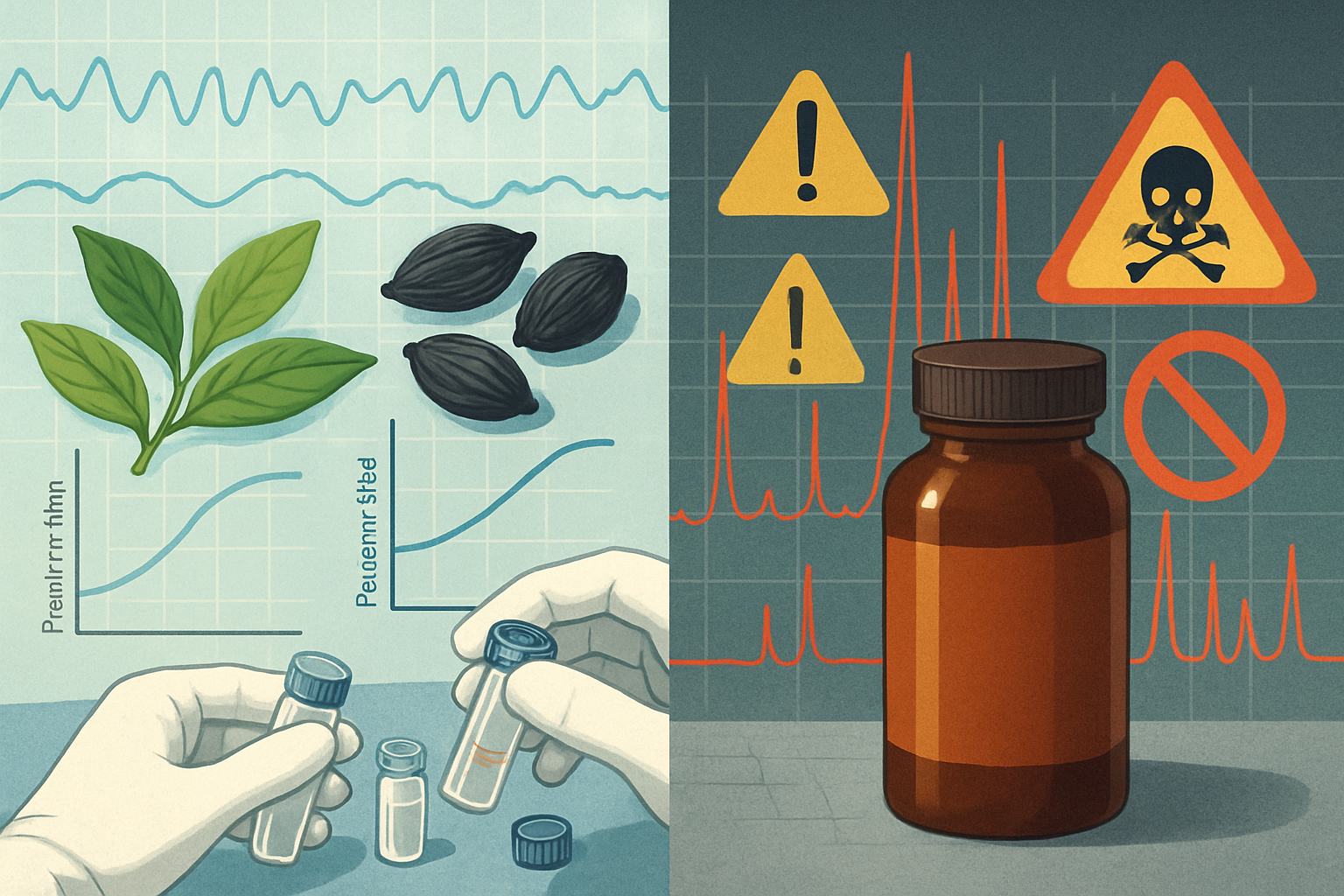
The latest nootropics news is less about a single breakthrough than about a widening divide in the field: carefully controlled studies are testing modest, measurable effects, while regulators continue to find dangerous and undeclared ingredients in products marketed for focus and mental performance.
A systematic review and meta-analysis published in July examined 31 randomized controlled trials involving 1,168 participants who took L-theanine, an amino acid found in green tea. The researchers reported that a single 200-milligram dose, taken 30 to 60 minutes before cognitive testing, improved choice reaction time in healthy adults. The analysis described the attention effect as robust in the short term, but found only a modest reduction in acute stress and no significant improvement in fatigue.
The findings do not establish L-theanine as a broad cognitive enhancer. The study focused on specific outcomes, particularly attention and reaction time, rather than intelligence, long-term memory or protection against neurodegenerative disease. The authors also noted that evidence for anxiety benefits was inconsistent. No serious adverse events were reported across the included trials, although the researchers said stronger studies are still needed, especially in clinical populations.
Another 2026 randomized, double-blind, placebo-controlled trial tested a full-spectrum aqueous extract of black cardamom in healthy working adults. The study reported improvements in measures of focus, alertness and executive function, including when the extract was evaluated alongside caffeine. Because the trial examined a particular preparation rather than black cardamom in general, its results should not automatically be applied to every cardamom supplement or food product. The study also does not show that the extract improves cognition over months or years.
Those relatively narrow findings stand in contrast to the sweeping claims common in the commercial nootropics market. In April, the U.S. Food and Drug Administration warned consumers not to use two products sold under the Addall brand: an orange-flavored XR shot and Addall XL capsules. FDA laboratory testing found undeclared 1,4-DMAA in both products. The shot also contained phenibut, while the capsules contained DMHA.
The agency said DMAA and DMHA can raise blood pressure and contribute to serious cardiovascular problems. It also warned that phenibut can cause impaired balance, fatigue, loss of consciousness and addiction, with withdrawal symptoms possible after stopping use. FDA said the products had been sold online and at retail locations including gas stations and convenience stores nationwide.
The warning is a reminder that “nootropic” is a marketing category, not a guarantee of safety or scientific validation. Products sold as dietary supplements may combine stimulants, amino acids, herbs and research chemicals under labels that do not always reflect what laboratory testing finds. Even when an ingredient has some evidence behind it, the dose, formulation and manufacturing quality can determine whether a study applies to a product on a store shelf.
Taken together, the new research points to a more restrained way of evaluating cognitive-enhancement claims. Some ingredients may produce small, task-specific effects under controlled conditions. That is different from making people smarter, preventing dementia or reliably improving work and school performance. For consumers, the most consequential development may be the growing emphasis on verification: identifying the exact ingredient, checking whether the product has been independently tested and treating dramatic claims as unproven unless supported by well-designed human trials.
The next step for the field is not simply finding more substances that appear promising in small studies. It is determining which effects are reproducible, clinically meaningful and sustained — while improving oversight of products that reach consumers before those questions have been answered.
Sources & Further Reading
StoryBreak
Independent digital news and reporting, updated throughout the day.
This article was researched and drafted with AI assistance and reviewed as part of StoryBreak's editorial process before publication. Read our editorial standards.