AI-generated image / StoryBreak
Health
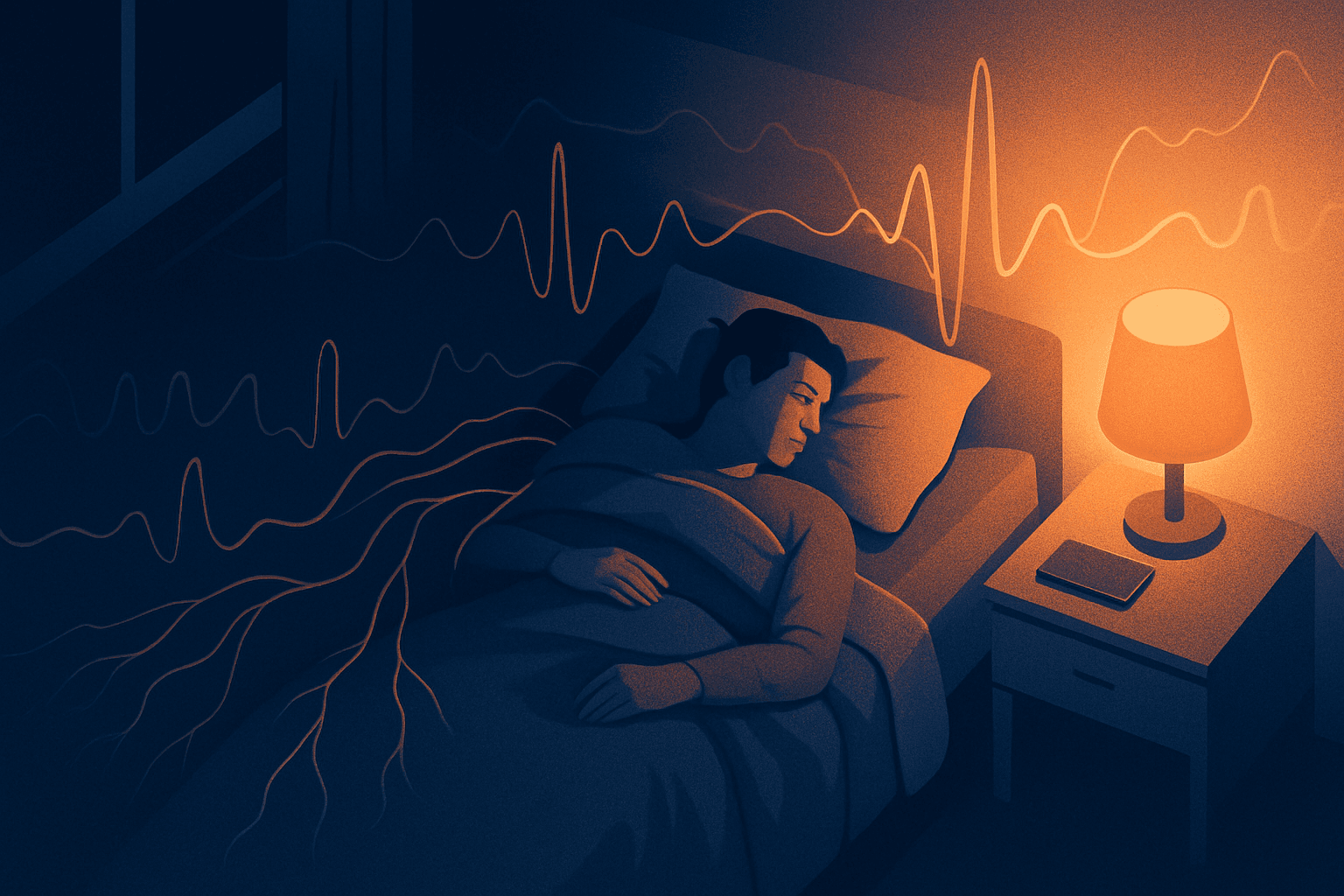
Even Dim Bedroom Light May Keep the Heart More Alert During Sleep, Studies Suggest
Research is raising concern that artificial light during sleep may alter heart-rate regulation, but the evidence so far shows short-term physiological changes—not proof that a night-light causes heart disease.
September 11, 2026 at 1:35 PM EDT
AI-generated image / StoryBreak
Health
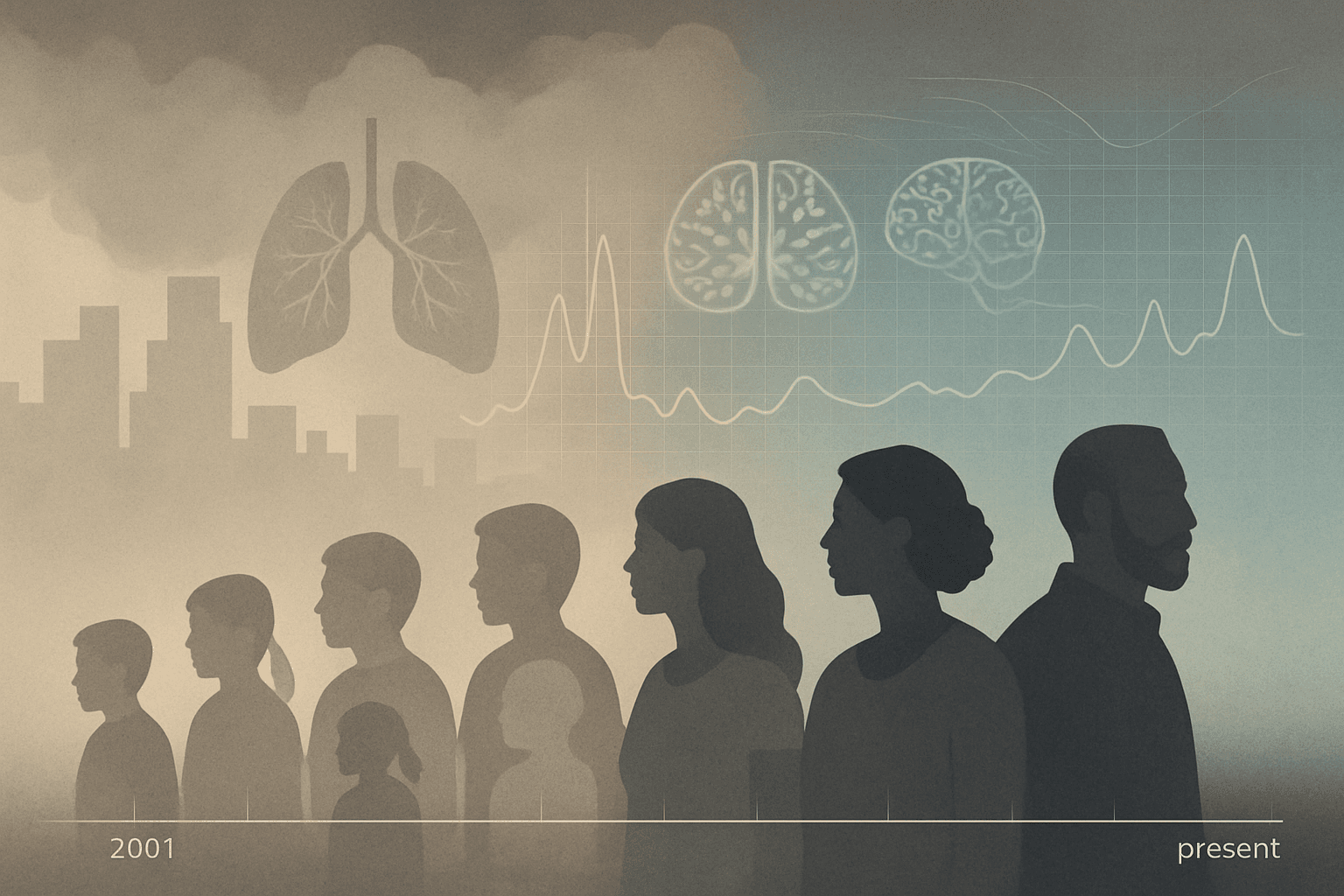
Children Exposed to 9/11 Dust Are Finally the Focus of a New Long-Term Research Effort
The World Trade Center Health Program is creating a research coordinating center for people exposed to the September 11 disaster at age 21 or younger. The initiative aims to fill a major gap in knowledge about how toxic dust and trauma may affect people across their lives.
September 10, 2026 at 9:53 AM EDT
AI-generated image / StoryBreak
Health
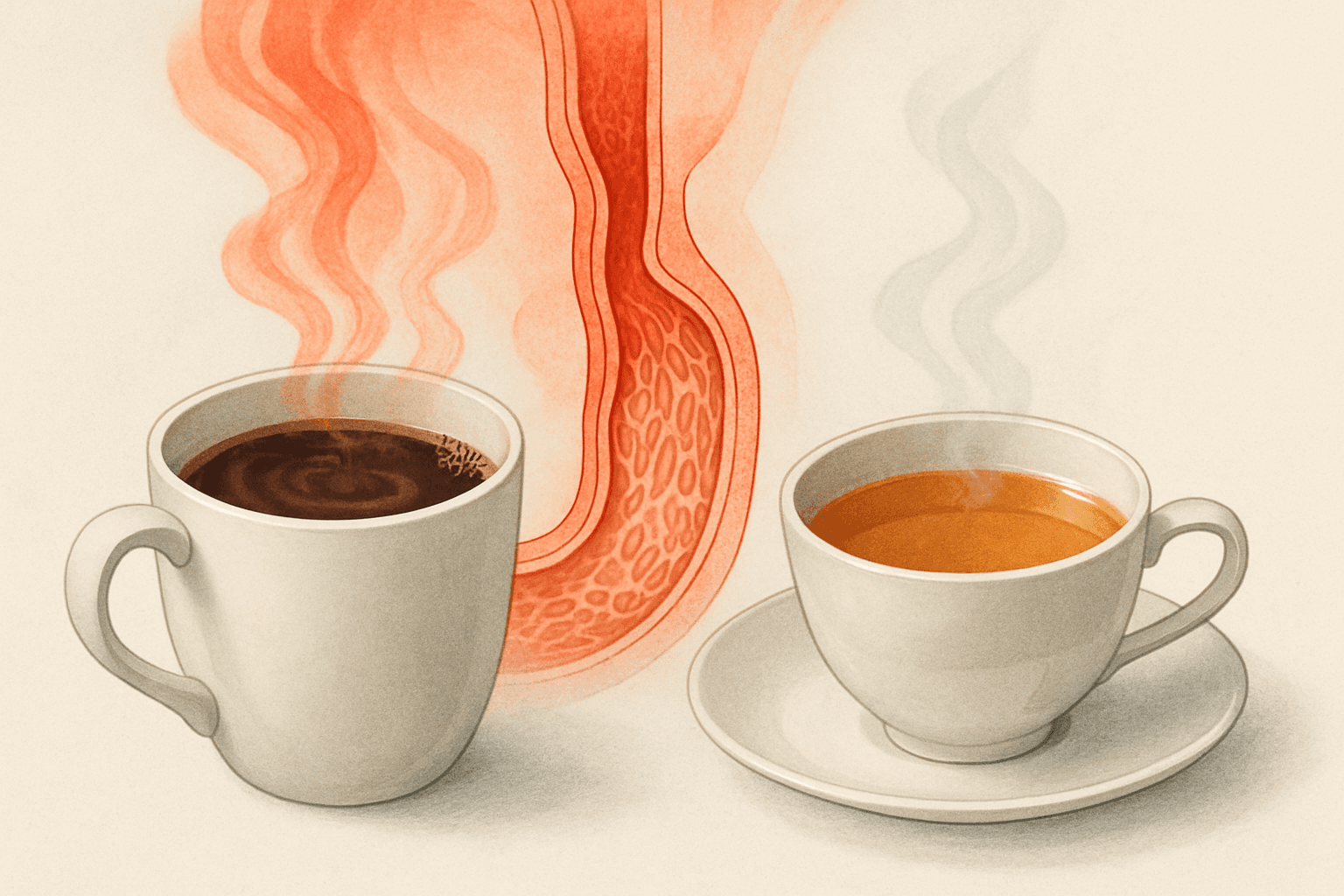
Very Hot Coffee and Tea Linked to Triple the Risk of One Esophageal Cancer Type, Study Finds
A study of nearly one million UK adults found that people who preferred very hot tea or coffee had roughly three times the risk of esophageal squamous cell carcinoma compared with those who preferred warm drinks. The finding did not extend to esophageal adenocarcinoma and does not prove that hot beverages cause cancer.
September 9, 2026 at 12:27 PM EDT
AI-generated image / StoryBreak
Health
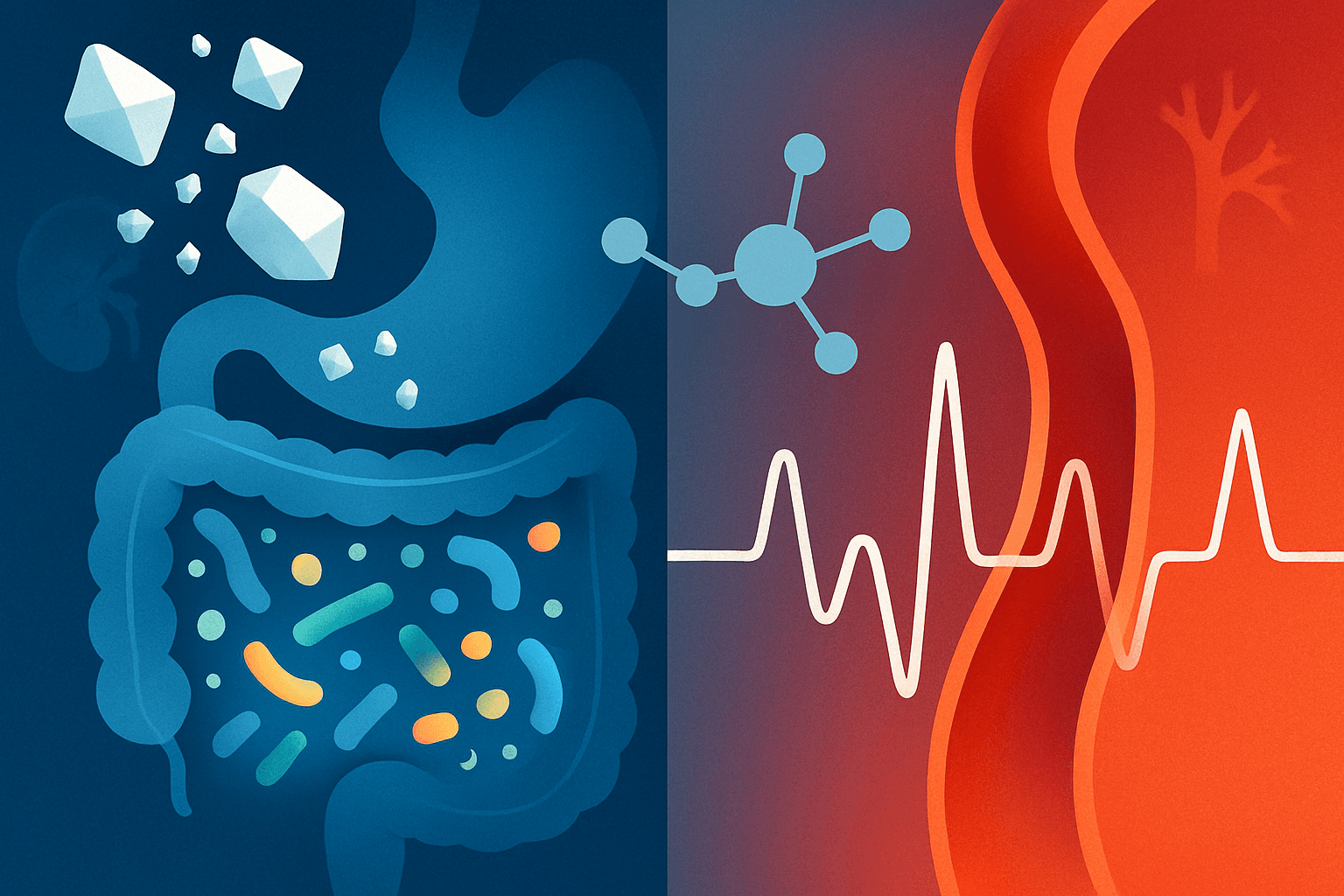
Why Salt Raises Blood Pressure More in Some People Than Others — Scientists May Have Found a Key Reason
A 2025 study points to a gut-microbiome-derived metabolite called isovalerylcarnitine as a possible reason some people are far more sensitive to dietary salt. The finding is promising, but it is not yet a human treatment.
September 7, 2026 at 5:57 PM EDT

AI-generated image / StoryBreak
Health
A Structured Lifestyle Program Improved Cognitive Test Scores. That’s Not the Same as Preventing Dementia.
The U.S. POINTER trial found that older adults at elevated risk of cognitive decline performed better on cognitive tests after two years of a structured program combining exercise, the MIND diet, cognitive challenge, social engagement and health monitoring. But the study did not test whether the program prevented dementia—and newer evidence suggests exercise plus cognitive training may have the strongest support among individual components.
September 6, 2026 at 9:41 PM EDT
AI-generated image / StoryBreak
Health
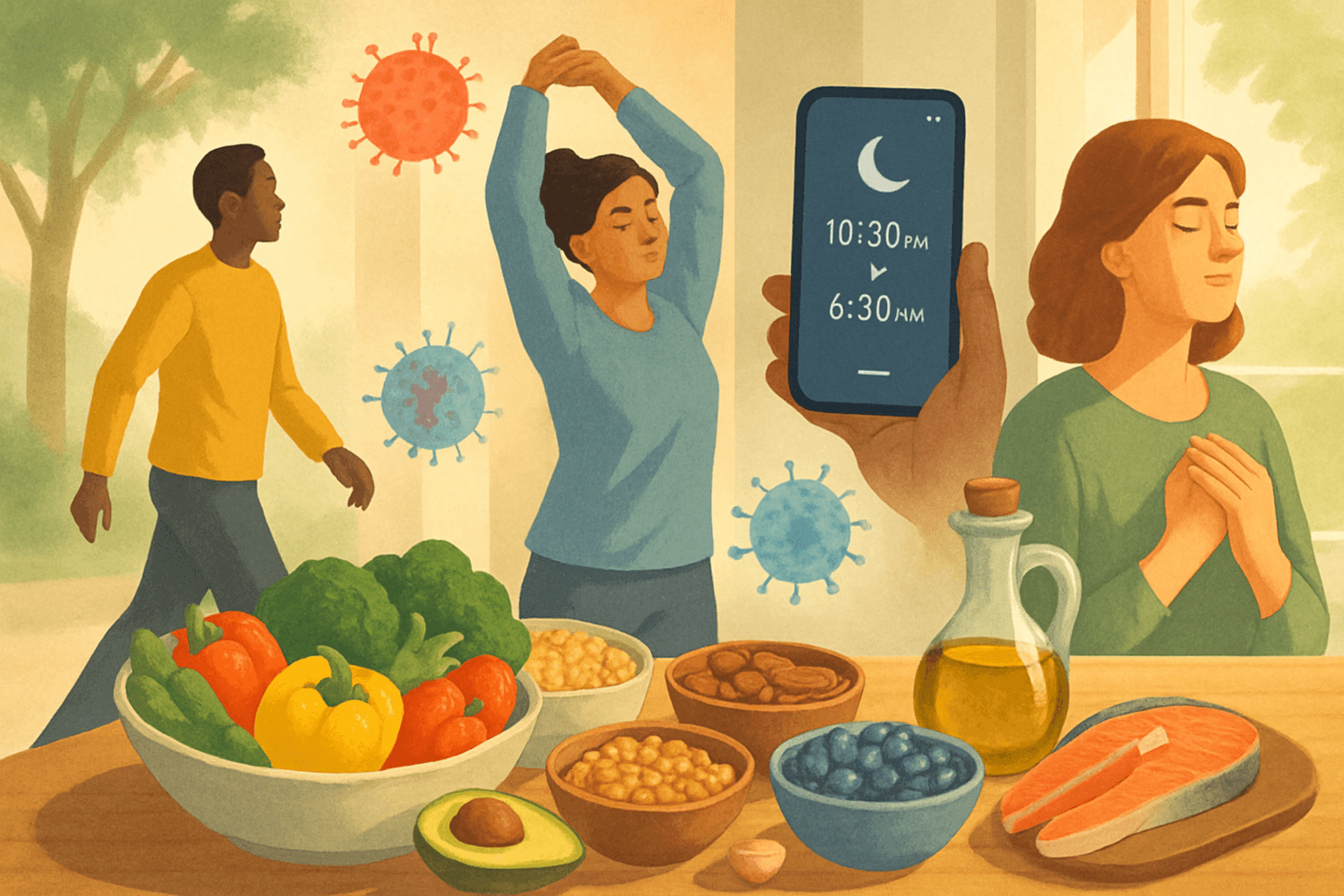
How to Reduce Inflammation Naturally: 10 Everyday Habits That Can Make a Difference
Chronic inflammation can be influenced by daily routines, including what you eat, how much you move, how well you sleep and whether you smoke. Here are 10 practical, evidence-informed habits that may support healthier inflammatory balance—without relying on miracle supplements or extreme diets.
September 5, 2026 at 9:29 PM EDT
AI-generated image / StoryBreak
Health
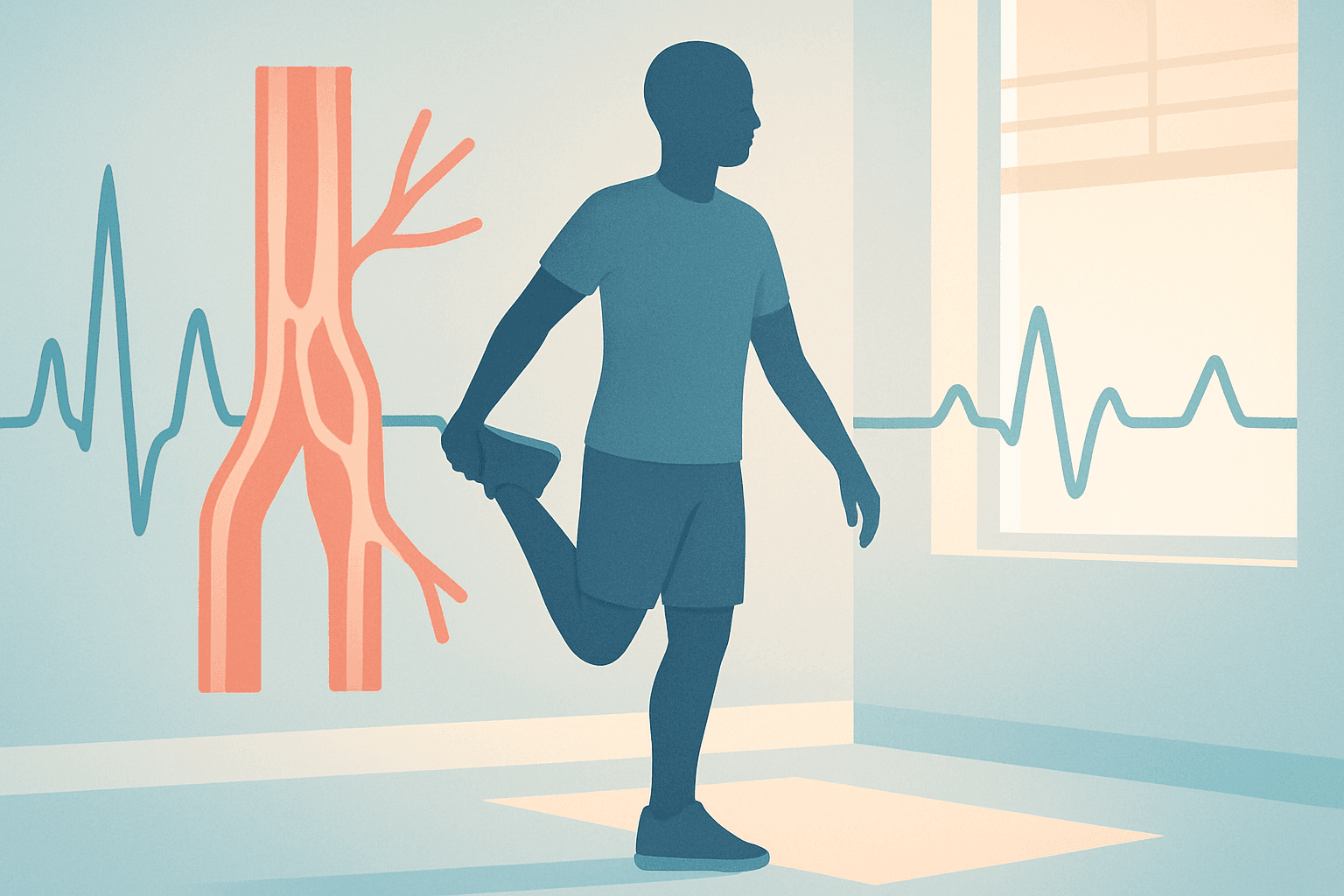
Could Stretching Help Lower Blood Pressure? New Research Points to a Surprising Benefit
A small 2026 study found that six weeks of passive lower-leg stretching lowered blood pressure in adults with hypertension—but the improvement disappeared after participants stopped. Researchers say stretching may support vascular function, though larger trials are needed before it can be considered a stand-alone treatment.
September 4, 2026 at 10:24 PM EDT
AI-generated image / StoryBreak
Health
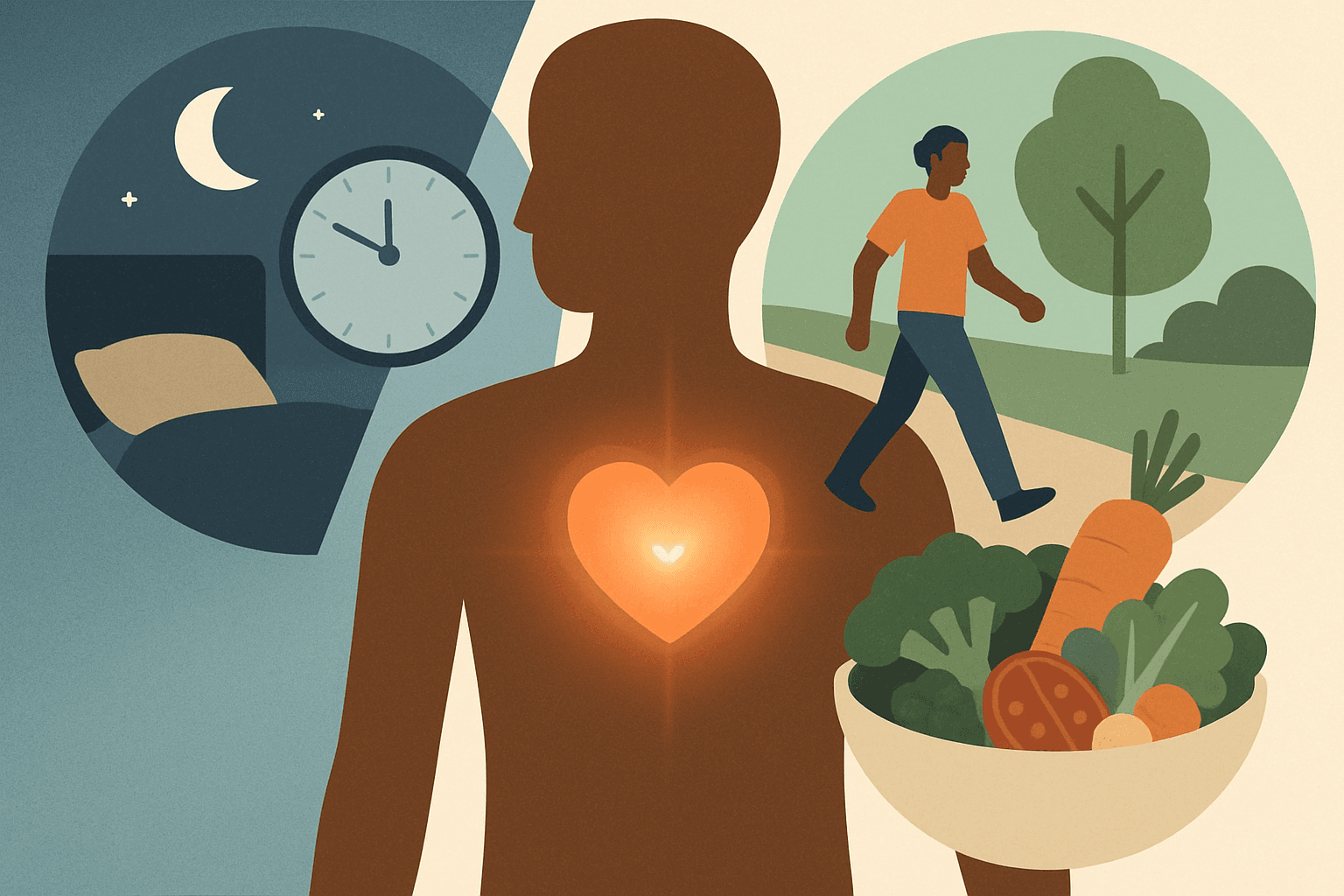
Just 10 More Minutes of Sleep and 5 Minutes of Exercise May Help Lower Heart Risk
A 2026 UK Biobank study found that modestly higher sleep, moderate-to-vigorous physical activity and diet quality were associated with a lower risk of heart attack, stroke and heart failure. Researchers caution that the findings show an association—not proof that making these changes will prevent cardiovascular disease.
September 3, 2026 at 6:30 PM EDT
AI-generated image / StoryBreak
Health
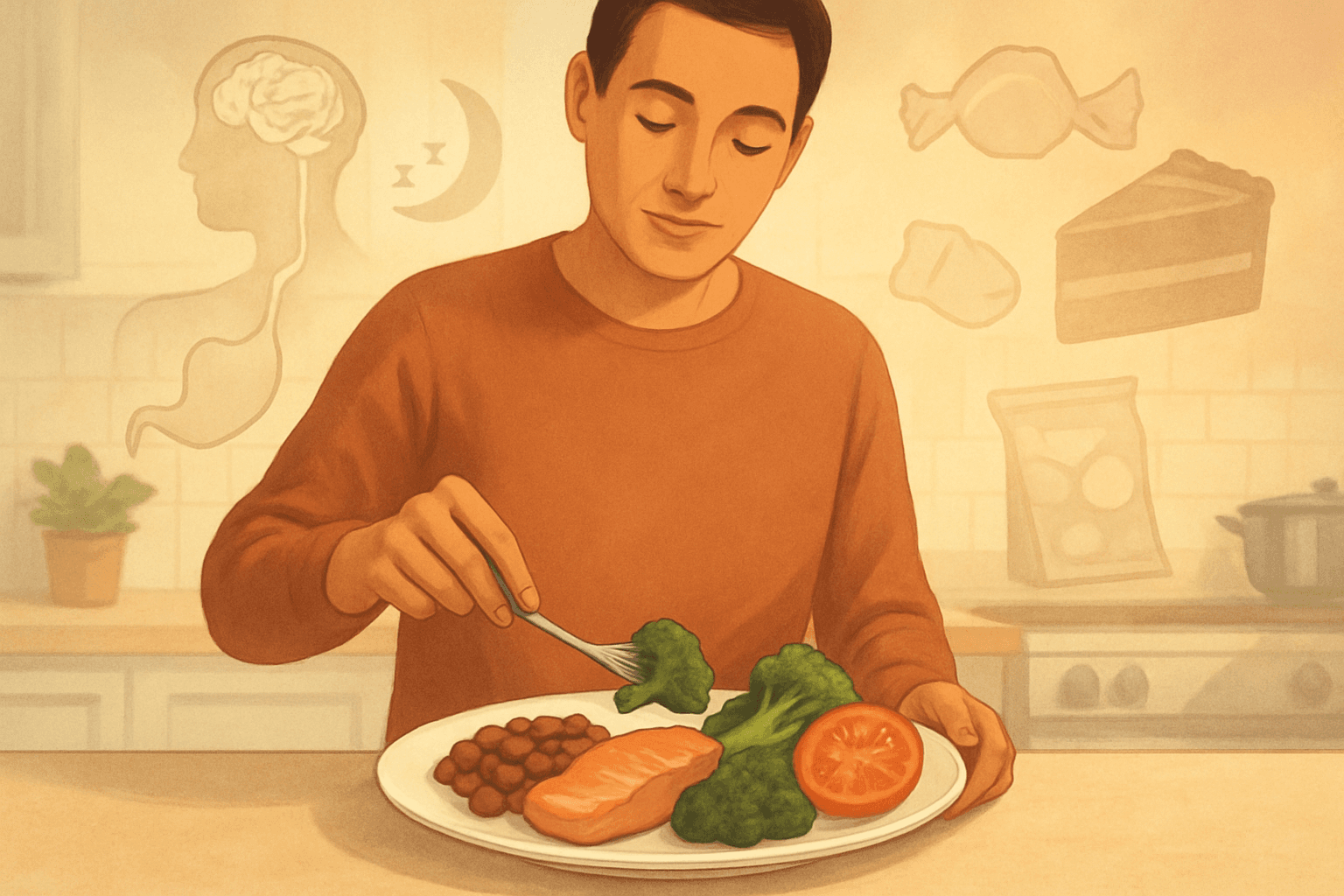
The Research-Backed Ways to Tame Cravings When Starting a New Diet
Cravings often feel strongest at the beginning of a diet, but research suggests they do not necessarily grow over time. Structured calorie reduction, higher-protein meals, adequate sleep and mindfulness strategies may all help make tempting foods easier to manage.
September 2, 2026 at 11:56 AM EDT

AI-generated image / StoryBreak
Health
Starting Yoga as a Beginner: How to Build a Safe, Sustainable Practice
You do not need to be flexible, fit or familiar with yoga to begin. A beginner-friendly approach starts slowly, focuses on breathing and alignment, and treats discomfort—not difficulty—as a reason to modify or stop.
September 1, 2026 at 7:53 PM EDT
AI-generated illustration / Story Break
Health
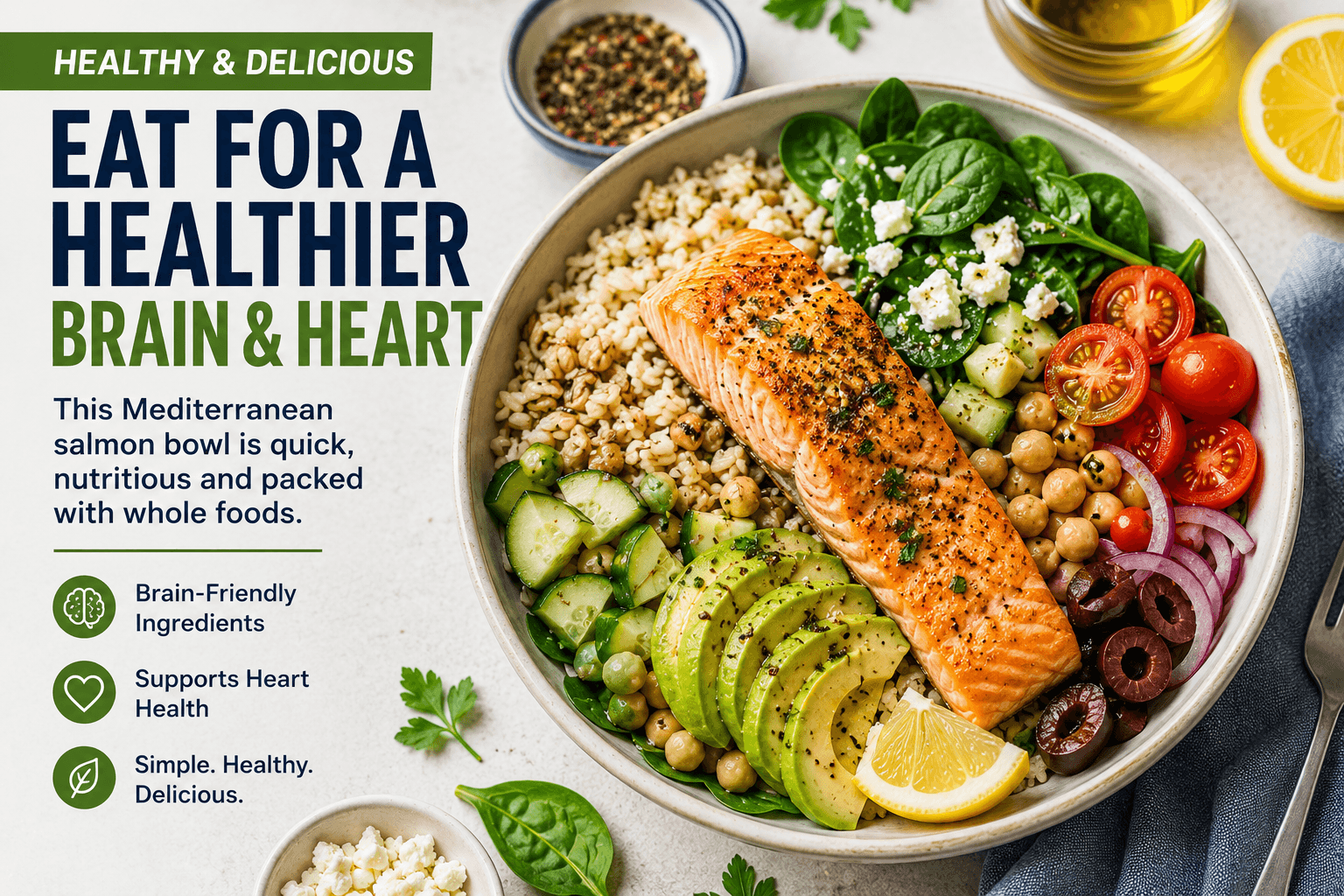
Want to Eat for a Healthier Brain? Try This 20-Minute Mediterranean Salmon Bowl
You don't need a complicated diet to put more brain- and heart-friendly foods on your plate. This simple salmon bowl combines vegetables, whole grains, olive oil and fish in one quick Mediterranean-style meal.
August 30, 2026 at 9:40 PM EDT
AI-generated illustration / Story Break
Health
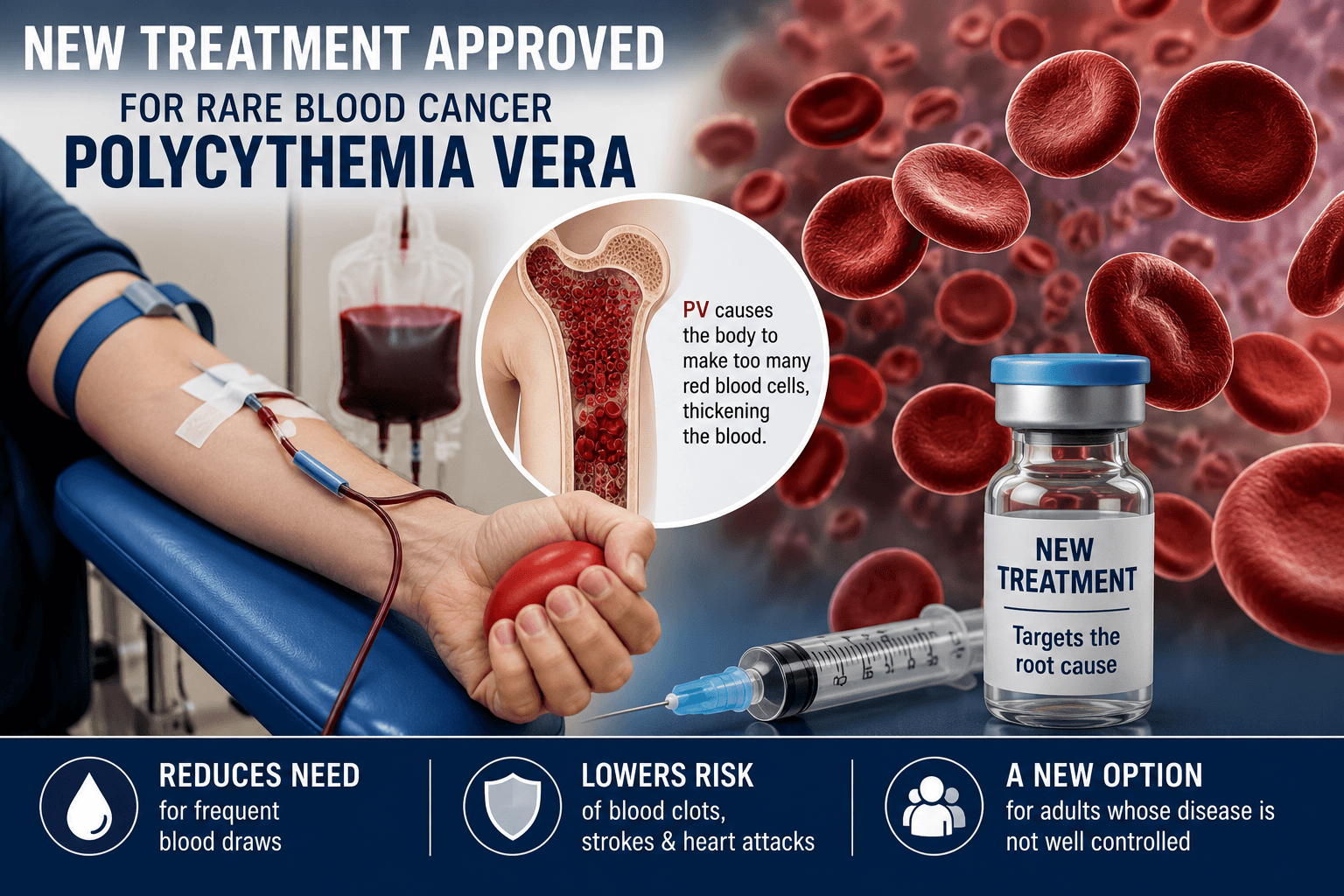
FDA approves first-of-its-kind drug that could reduce blood draws for rare blood cancer patients
The FDA has approved Mimrylo, a first-in-class treatment for adults with polycythemia vera that helps control the overproduction of red blood cells and could substantially reduce patients' need for repeated therapeutic blood draws.
August 29, 2026 at 7:00 PM EDT
AI-generated illustration / Story Break
Health
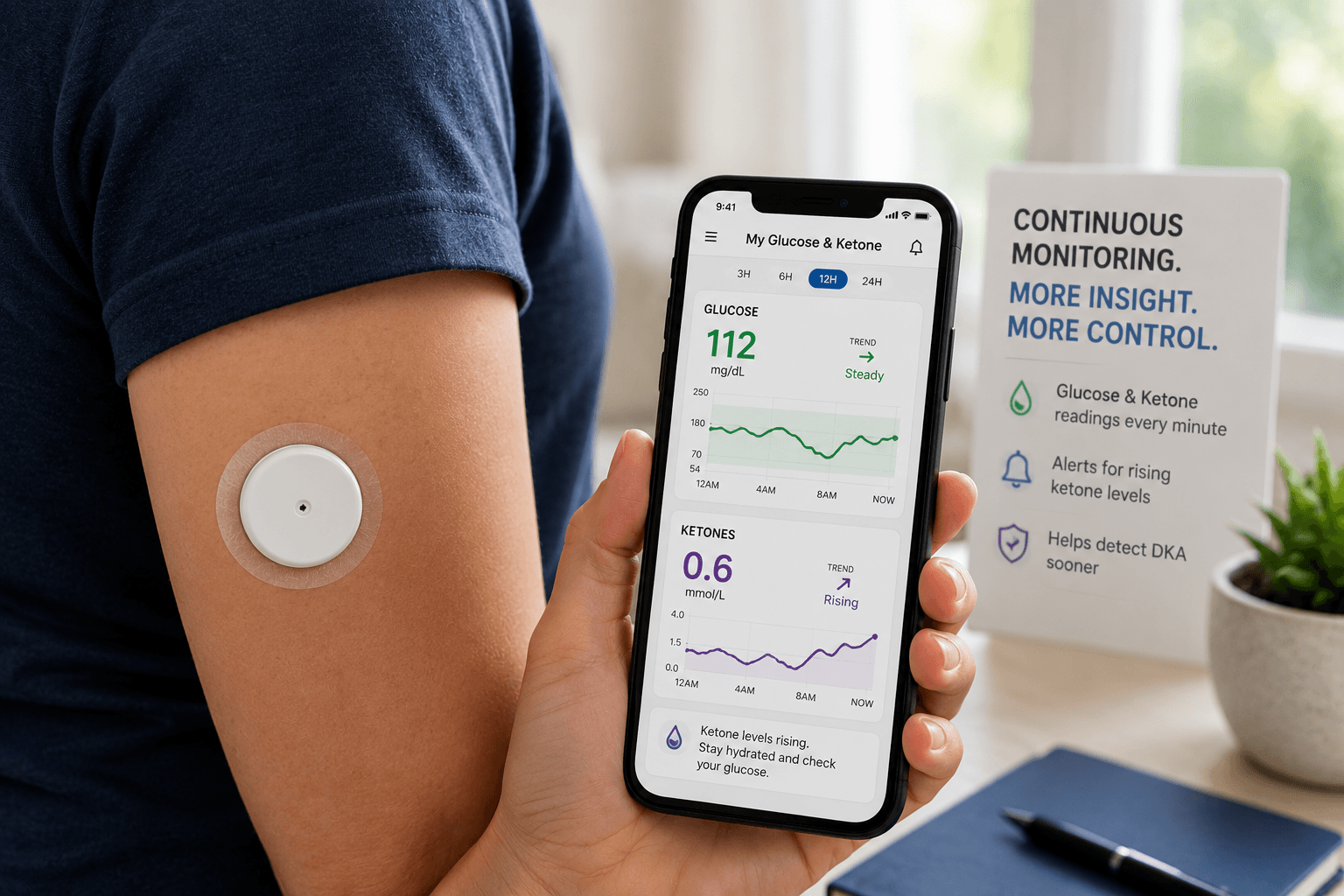
FDA authorizes first wearable to continuously monitor both blood sugar and ketones
A newly authorized wearable can continuously track glucose and ketone levels in people with diabetes, giving patients and caregivers another way to detect warning signs of potentially life-threatening diabetic ketoacidosis before it becomes an emergency.
August 29, 2026 at 6:54 PM EDT
AI-generated illustration / Story Break
Health
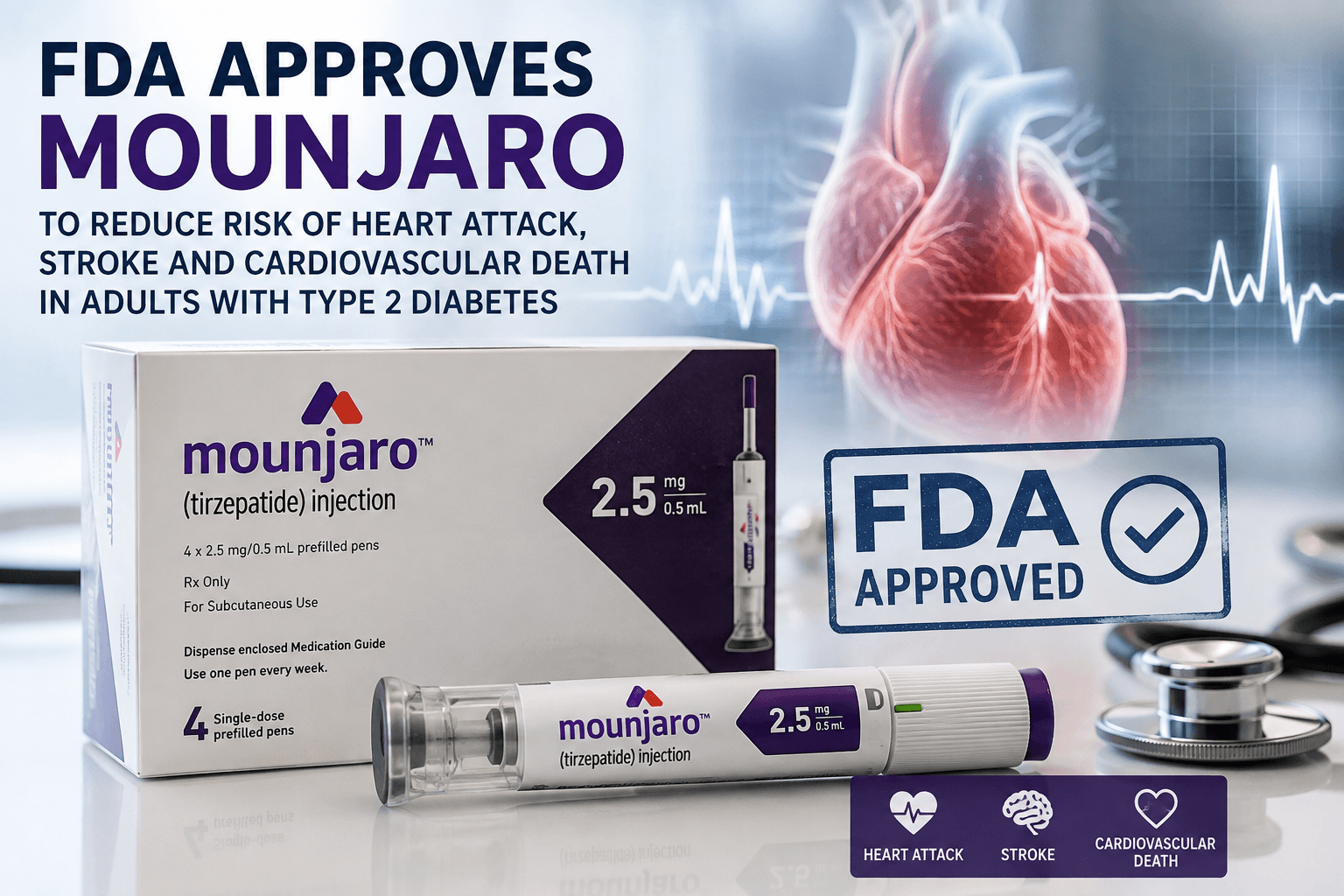
FDA expands Mounjaro approval to reduce heart attack and stroke risk in adults with type 2 diabetes
The FDA has expanded its approval of Mounjaro to include reducing the risk of heart attack, stroke and cardiovascular death in adults with type 2 diabetes who are at high risk for cardiovascular events, adding another major use for the widely prescribed medication.
August 29, 2026 at 4:20 PM EDT