AI-generated image / StoryBreak
Science
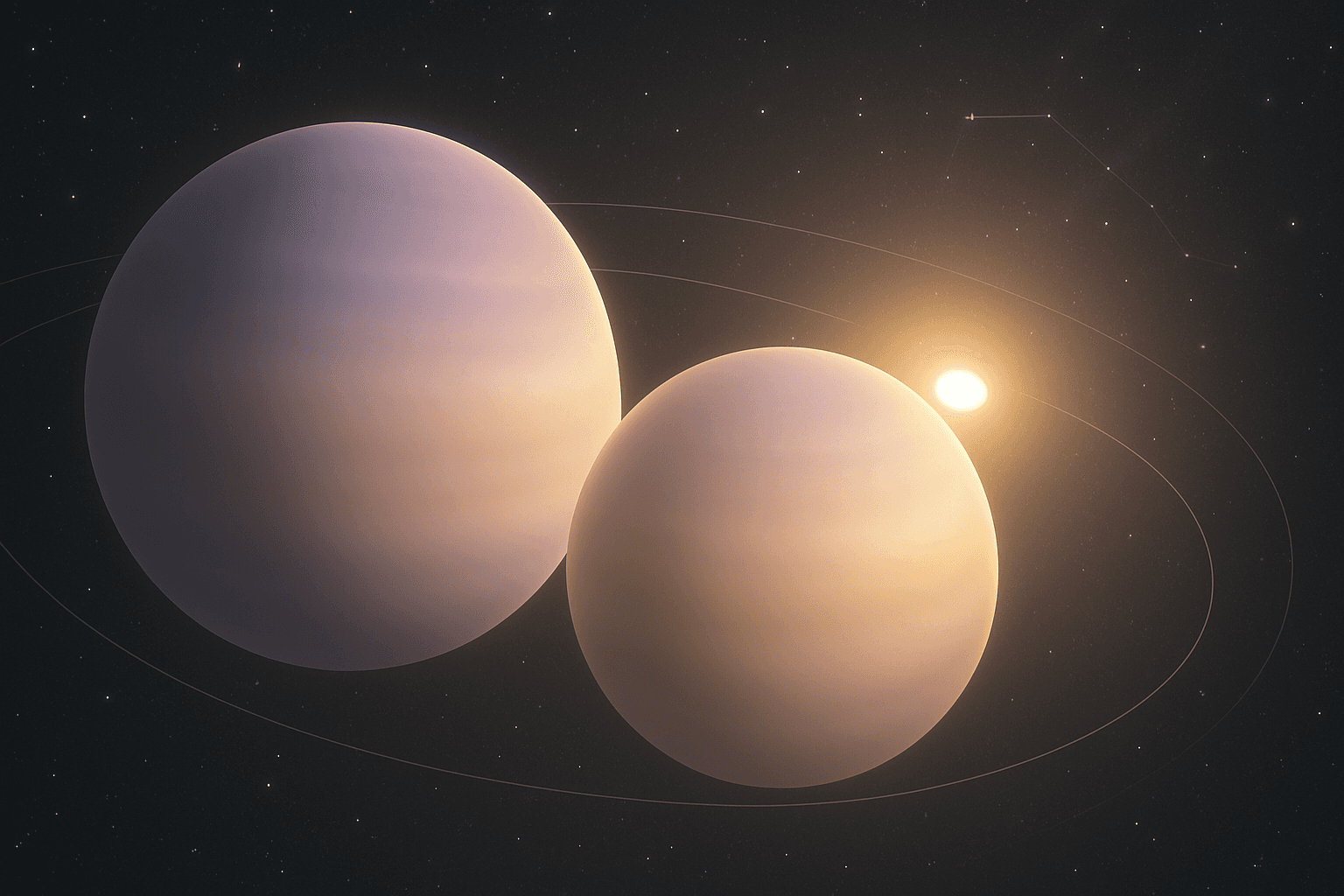
Scientists Confirm Two Giant Planets Less Dense Than Cotton Candy
TOI-791 b and TOI-791 c are nearly Jupiter-sized but have densities comparable to or lower than cotton candy, offering astronomers a rare test of how giant planets become so enormously inflated.
September 21, 2026 at 7:26 PM EDT
AI-generated image / StoryBreak
Science
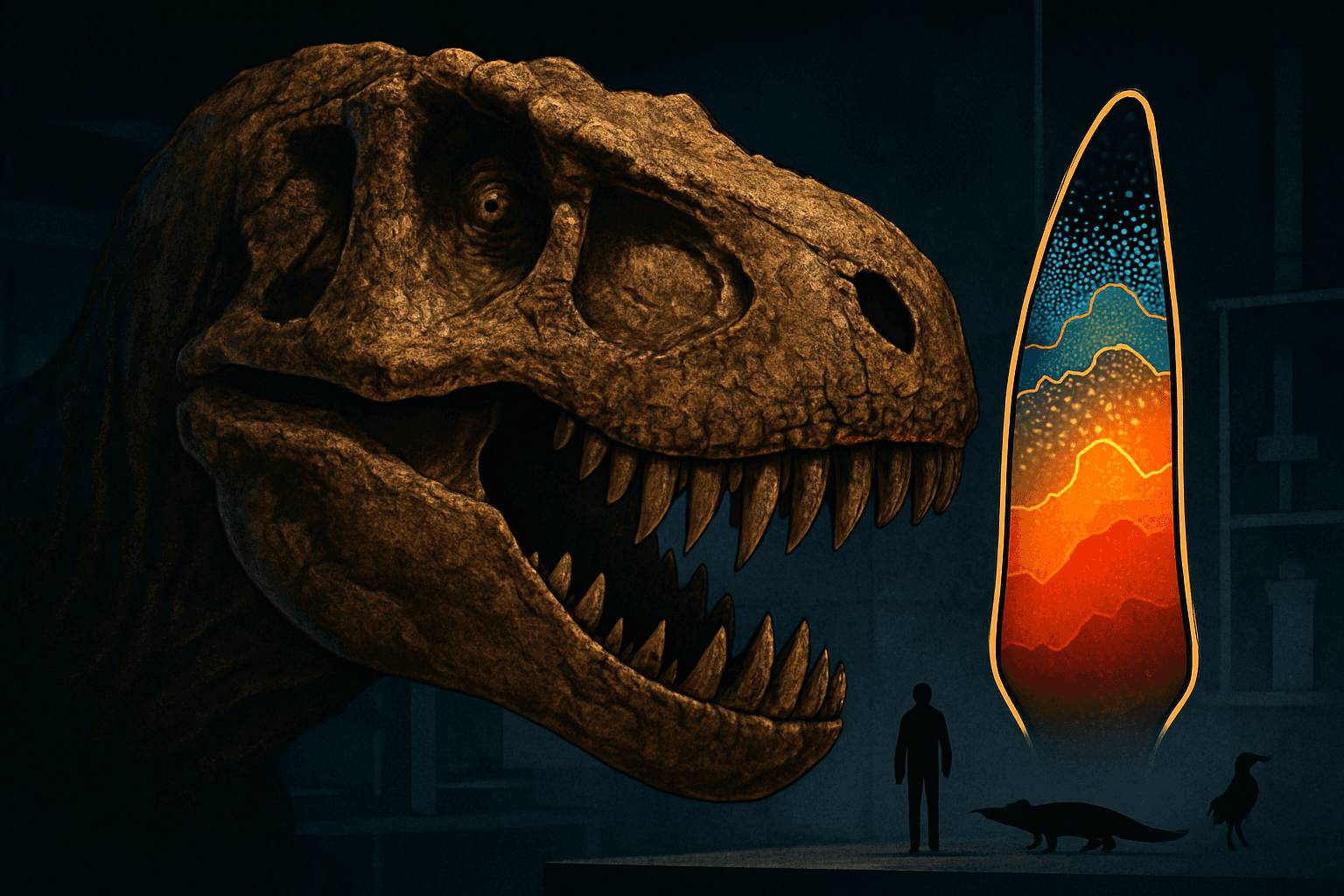
T. Rex May Have Been Almost as Warm as You Are
Chemical clues locked inside fossilized teeth suggest Tyrannosaurus rex maintained a body temperature near 97 degrees Fahrenheit—close to humans and far above modern crocodilians. The result offers the clearest temperature reading yet for the dinosaur and sharpens the case that it was an energetic, internally heated predator.
September 20, 2026 at 8:55 PM EDT
AI-generated image / StoryBreak
Science
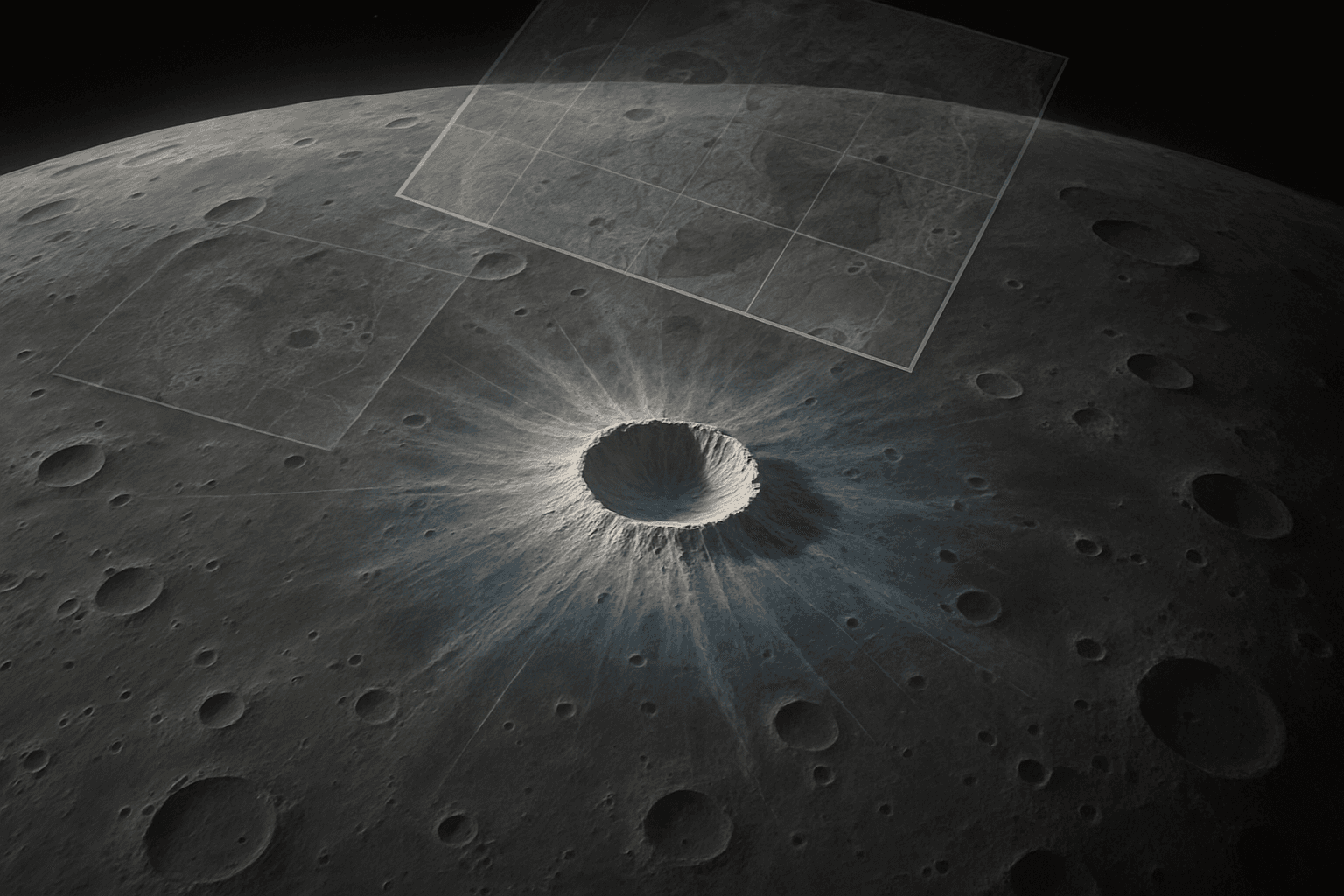
NASA Finds a Massive Lunar Crater That Sat Unnoticed for More Than a Year
A NASA lunar orbiter has revealed a 222-meter crater formed by an impact in spring 2024. The delayed discovery is giving scientists a rare look at how a large collision reshapes the Moon—and what that could mean for future lunar bases.
September 19, 2026 at 7:22 PM EDT
AI-generated image / StoryBreak
Science
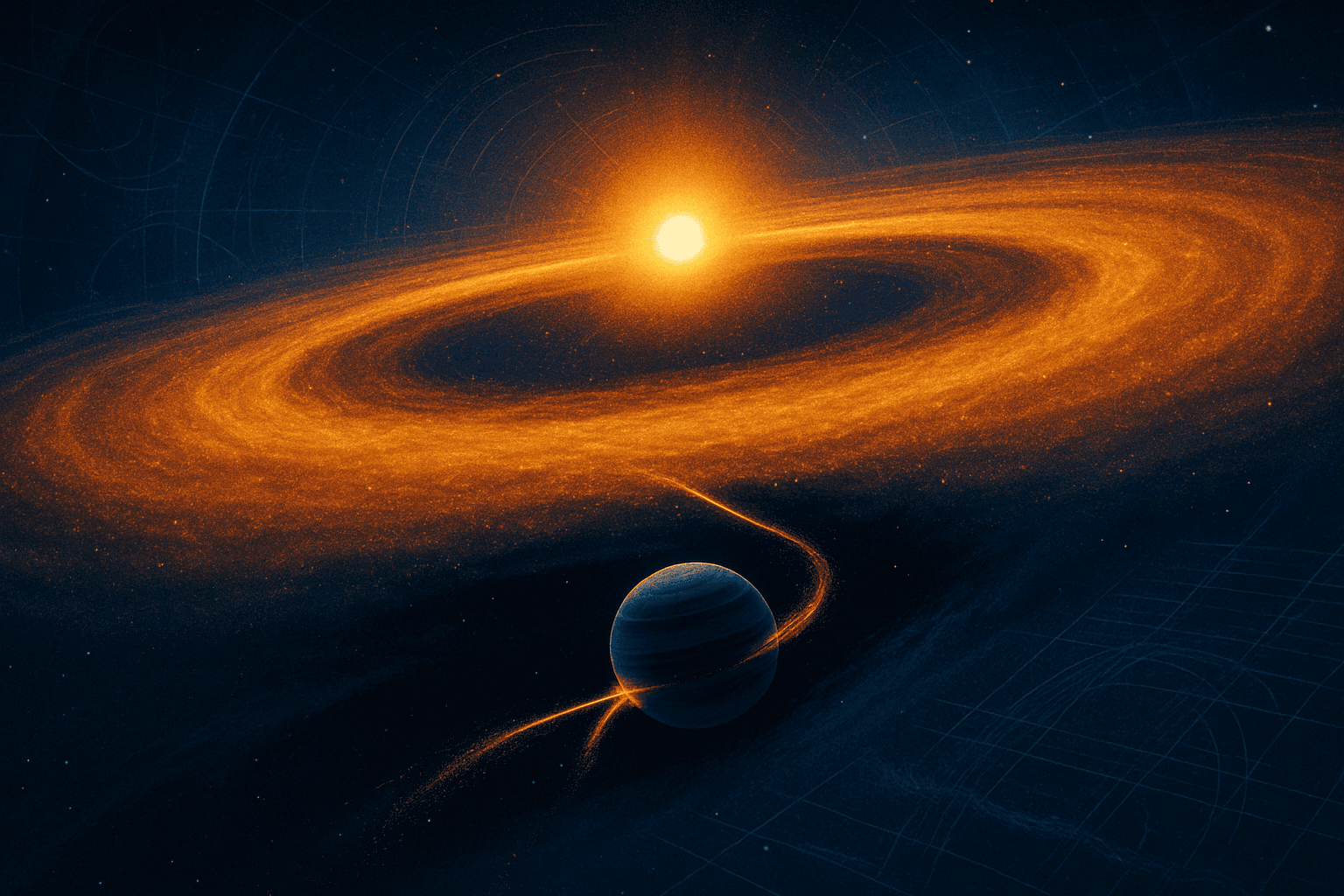
Astronomers Find the Youngest Known Planet — and It Is Still Growing
Elias 2-24 b is less than one million years old, still embedded in the disk that formed it, and forcing scientists to rethink how quickly giant planets can emerge.
September 17, 2026 at 8:12 PM EDT
AI-generated image / StoryBreak
Science
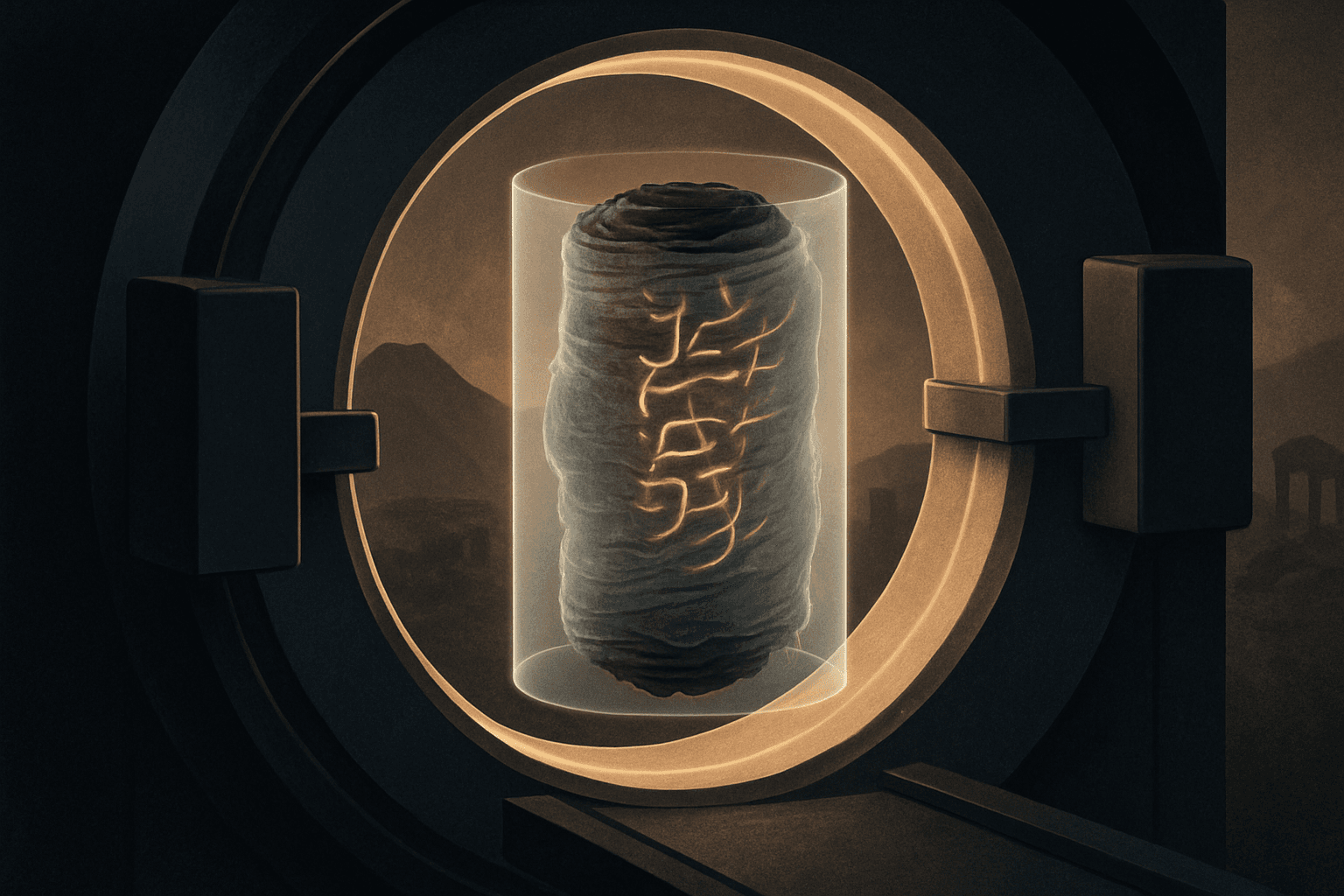
Scientists Find a New Clue That Could Unlock More 2,000-Year-Old Herculaneum Scrolls
A new study suggests that lead hidden in ancient writing ink could make carbonized scrolls much easier to read with X-rays—offering researchers a way to identify the most promising artifacts without opening them.
September 16, 2026 at 9:16 PM EDT
AI-generated image / StoryBreak
Science
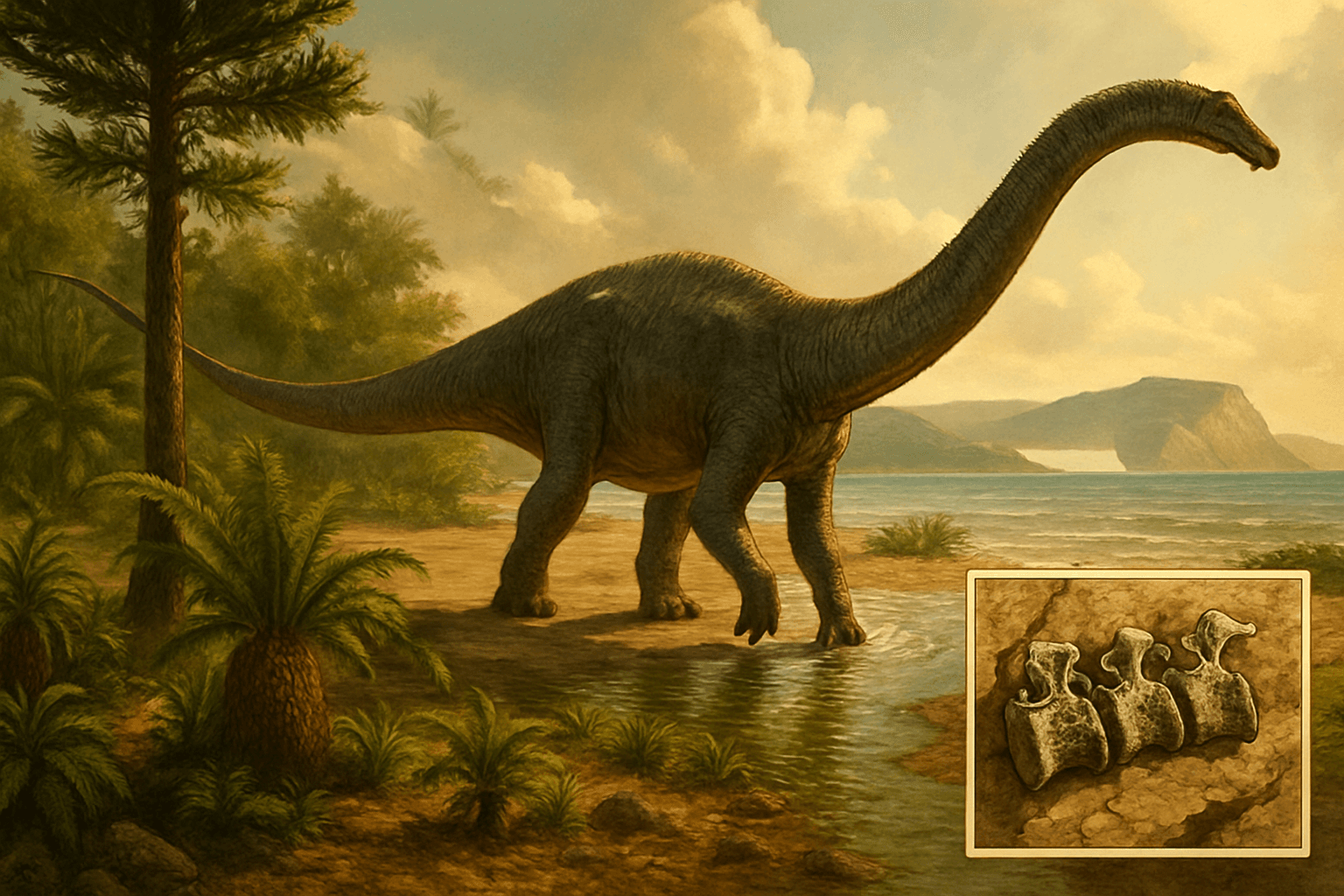
First Evidence of Diplodocus in Europe Found in Spain—With a Scientific Caveat
Fossils from Teruel, Spain, identified as Diplodocus sp. provide the first reported evidence of the iconic dinosaur outside North America. The discovery points to Late Jurassic movement between the continents, though independent experts say the fragmentary remains leave room for future revision.
September 15, 2026 at 10:50 PM EDT
AI-generated image / StoryBreak
Science
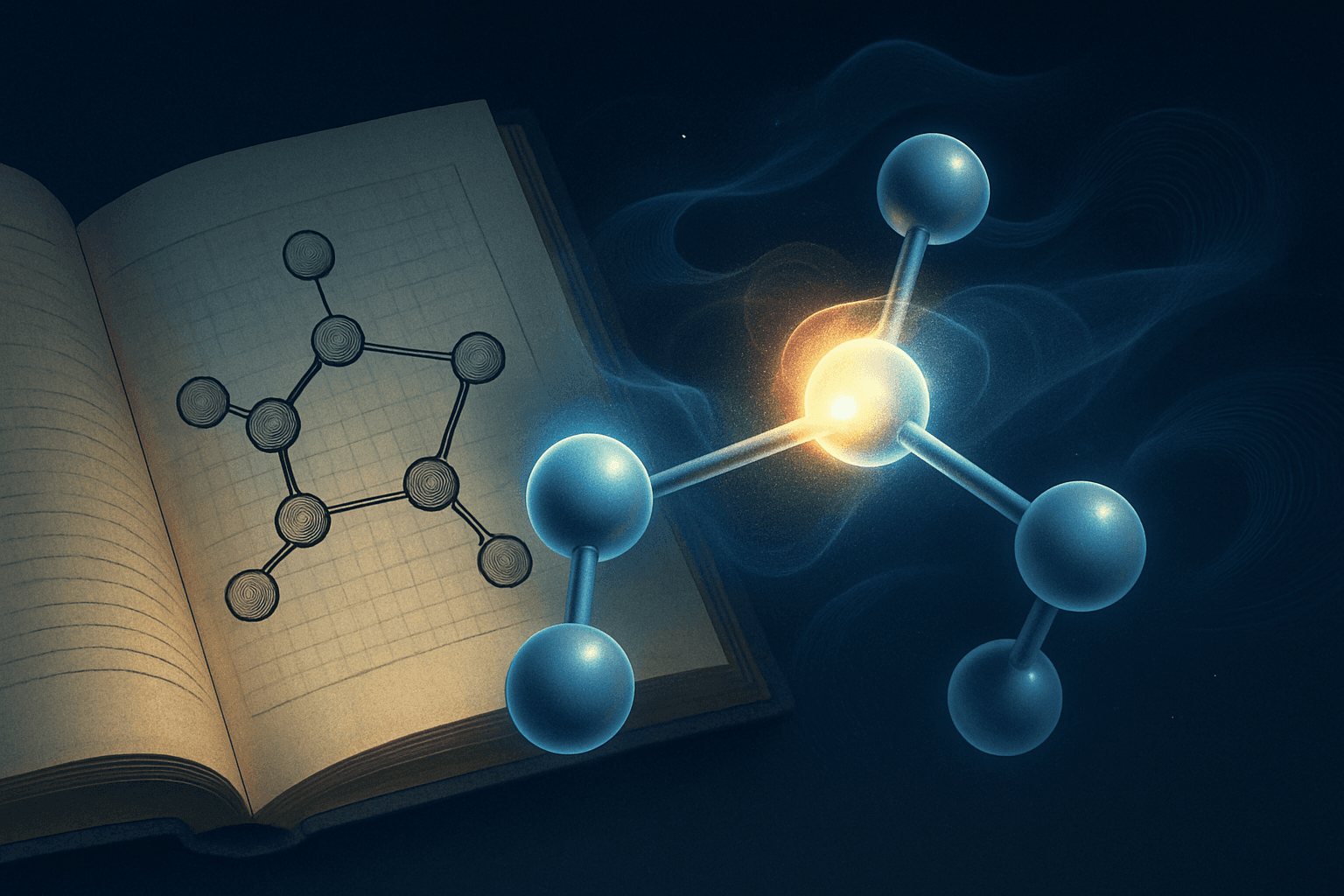
Chemistry’s “Inductive Effect” May Not Travel Through Molecules the Way Textbooks Say
A new study argues that a core organic-chemistry concept has been oversimplified for generations. In neutral molecules, the inductive effect may largely stop after one bond, while other phenomena have been mistaken for long-range electron transmission.
September 14, 2026 at 8:42 PM EDT
AI-generated image / StoryBreak
Science
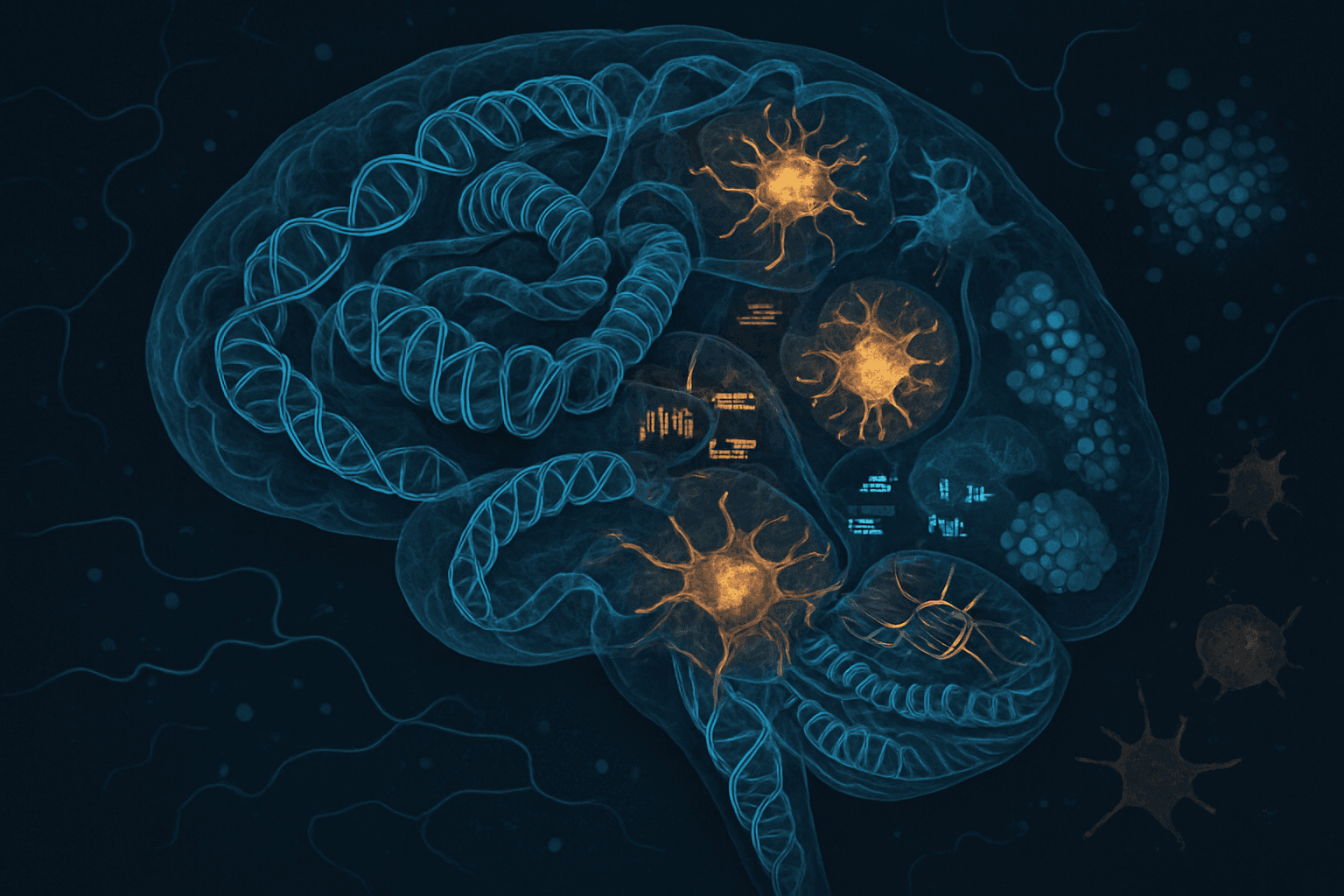
Scientists Find Alzheimer’s Is Linked to a Hidden 3D Layer of the Human Genome
A study of individual brain cells from people with and without Alzheimer’s disease suggests that the physical folding of DNA changes alongside gene activity. The finding adds genome architecture—not just DNA sequence—to the list of biological processes researchers must examine in the disease.
September 13, 2026 at 1:10 PM EDT
AI-generated image / StoryBreak
Science
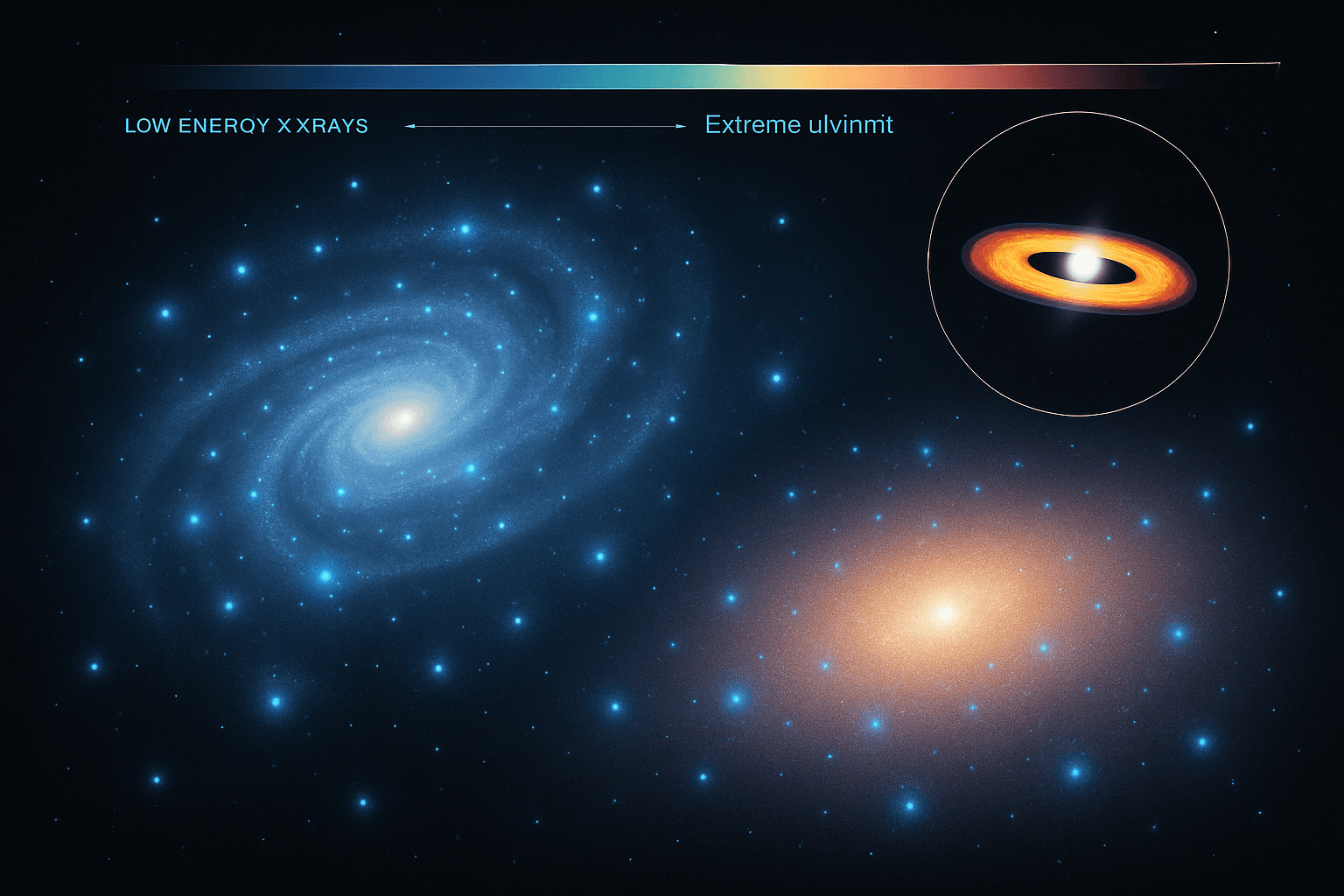
NASA Finds 84 ‘Hypersoft’ X-Ray Sources That Could Illuminate Two Cosmic Mysteries
A Chandra archive search has uncovered 84 unusually cool but powerful X-ray sources in six galaxies. The objects may reveal hidden binary systems, possible precursors to Type Ia supernovae and a missing source of ultraviolet radiation that helps ionize galactic gas.
September 12, 2026 at 6:07 PM EDT
AI-generated image / StoryBreak
Science
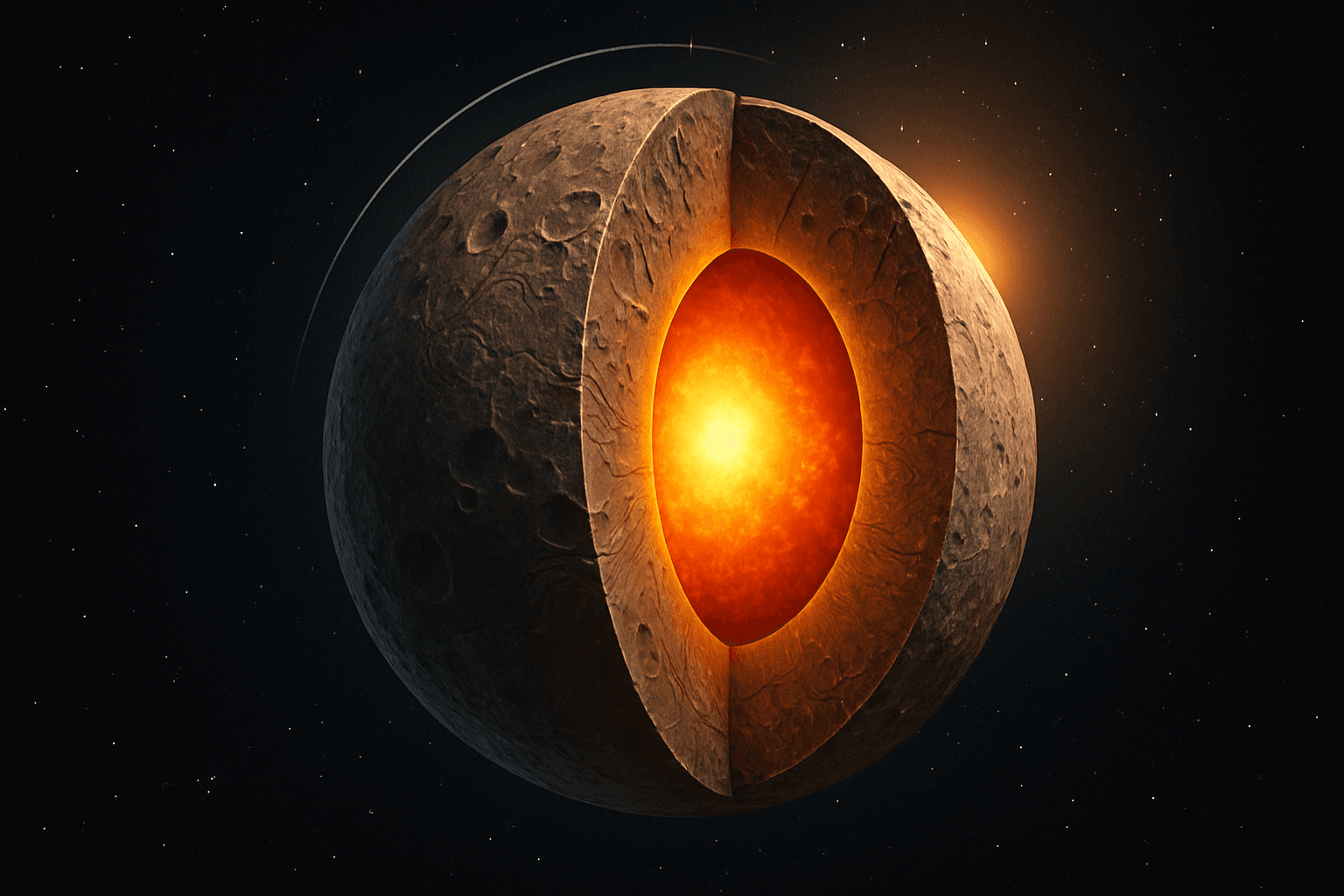
Mercury May Have Shrunk 14 Miles—But the Real Surprise Is What Scientists Couldn’t See
A new study suggests Mercury’s total diameter may have decreased by up to 14.5 miles over its geological history—roughly 30% more than earlier estimates. The result could reshape scientists’ understanding of how the planet cooled and evolved.
September 11, 2026 at 1:33 PM EDT
AI-generated image / StoryBreak
Science
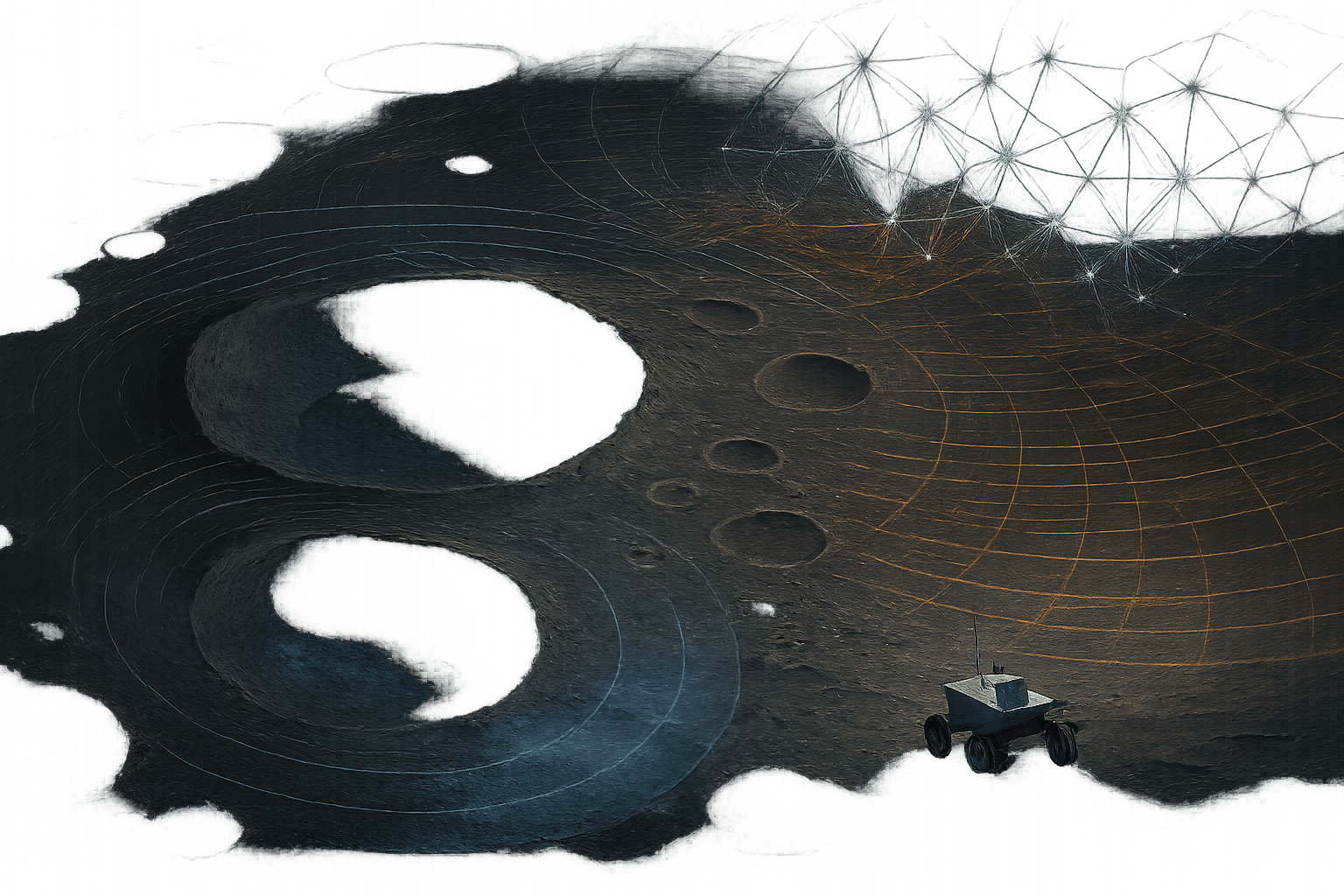
NASA and IBM Build Lunar AI to Search for Water and Hidden Moon Features
A new NASA-IBM lunar foundation model is being developed to combine imagery, spectroscopy, radar and topographic data, helping scientists map the Moon, investigate water signals and assess future landing sites. But it is a research tool—not proof that the AI has already discovered a new mineable ice deposit.
September 10, 2026 at 9:50 AM EDT
AI-generated image / StoryBreak
Science
OpenAI Says AI Solved a Millennium Prize Math Problem. The Hardest Test May Still Lie Ahead
OpenAI says an internal AI system produced a proof resolving the Navier–Stokes existence-and-smoothness problem, one of mathematics’ seven Millennium Prize Problems. The claim could reshape scientific research—but it remains an announcement awaiting independent mathematical scrutiny.
September 9, 2026 at 12:25 PM EDT
AI-generated image / StoryBreak
Science
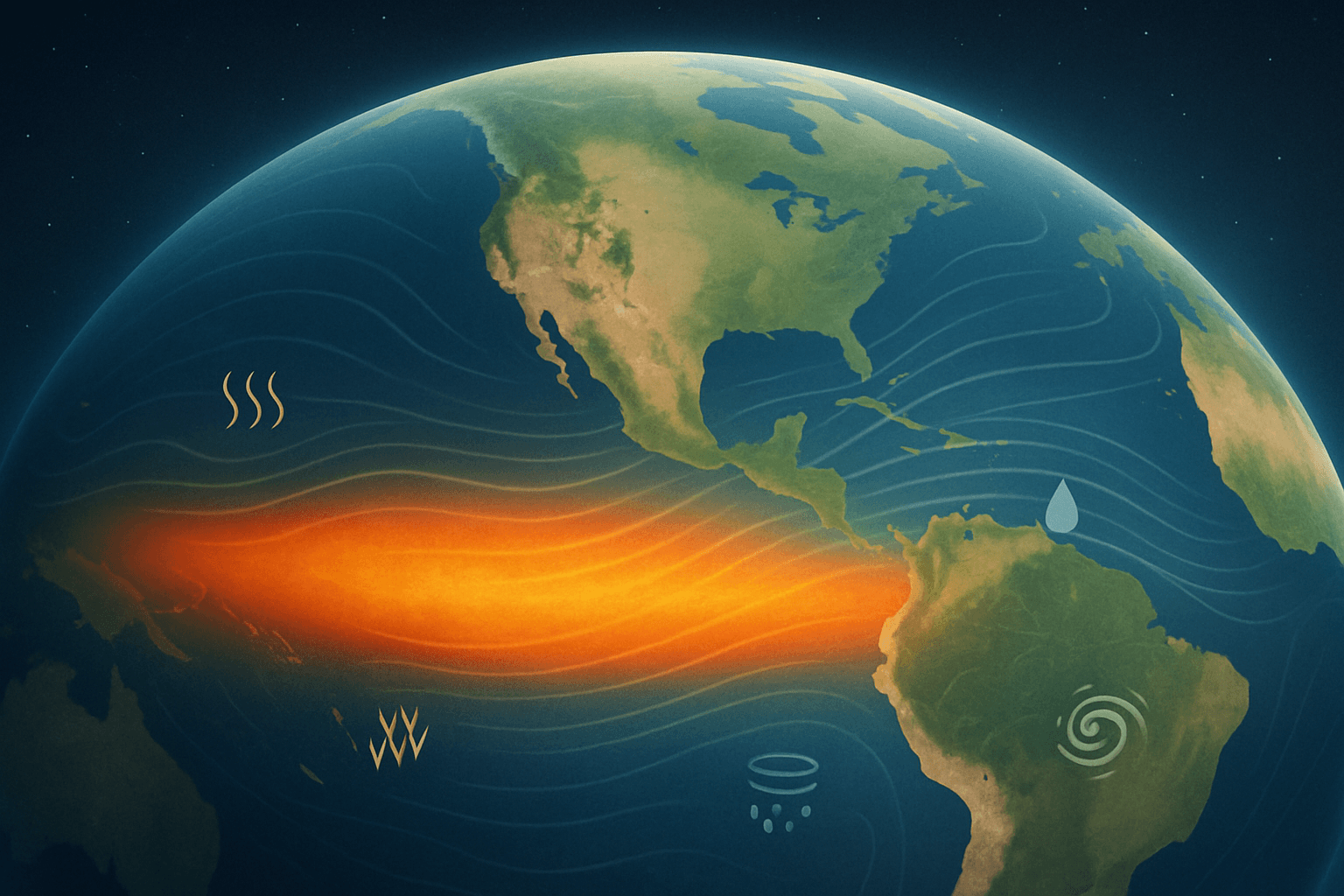
A Very Strong El Niño Is Taking Shape: What It Could Mean for Weather Through 2027
The World Meteorological Organization says El Niño is likely to intensify and persist into early 2027, while NOAA gives a greater-than-90% chance of a very strong event. Here is what the forecast can—and cannot—tell us about heat, rain, drought, flooding, and daily life.
September 7, 2026 at 5:54 PM EDT
AI-generated image / StoryBreak
Science
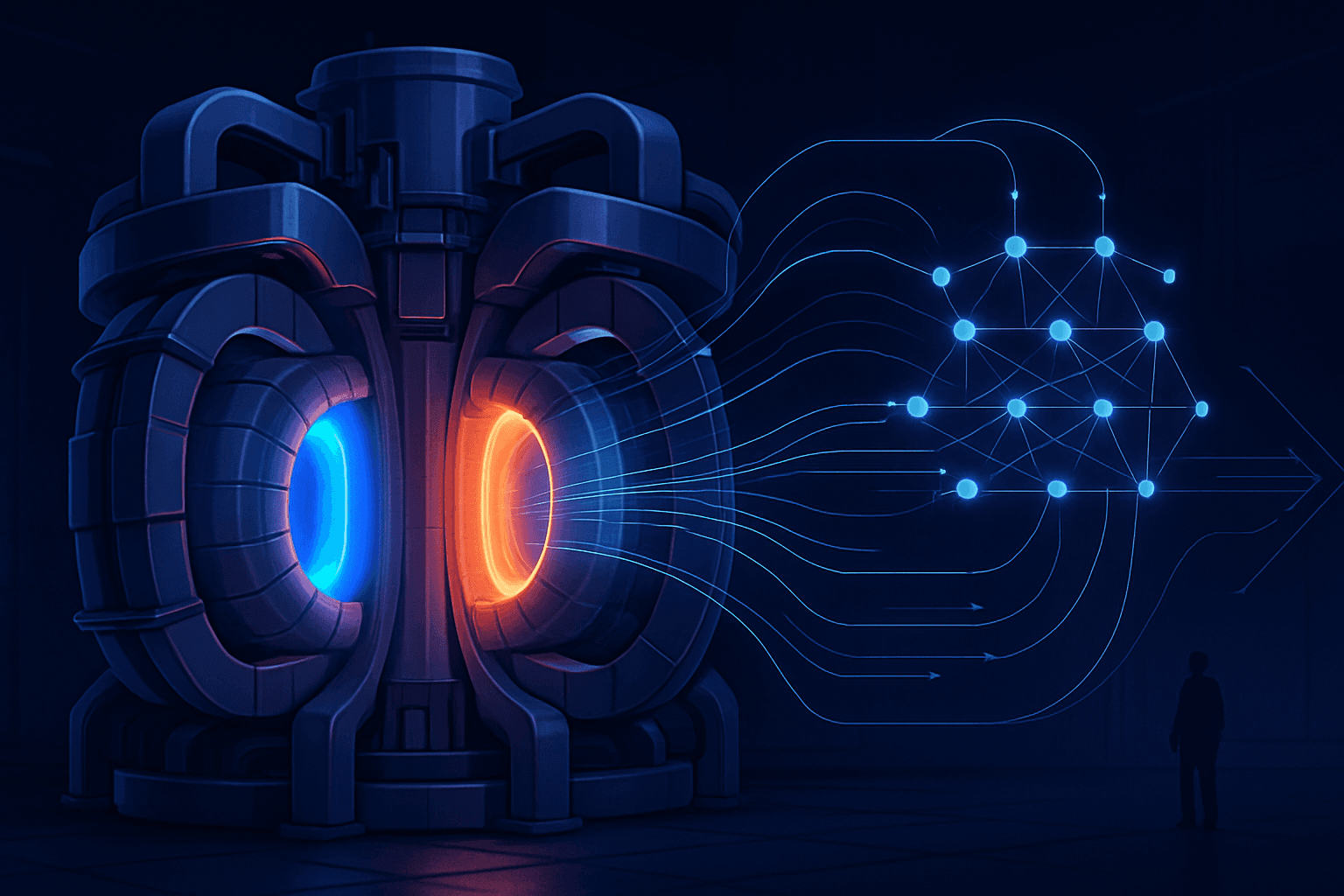
AI Takes Over Fusion’s Fastest Decisions—But Practical Power Is Still a Long Way Off
A new control framework from Princeton researchers has steered fusion plasma on the DIII-D tokamak in roughly 20 milliseconds, faster than human operators can react. The advance could make difficult plasma experiments more manageable, but it is a control breakthrough—not proof that fusion power is ready for the grid.
September 6, 2026 at 4:03 PM EDT
AI-generated image / StoryBreak
Science
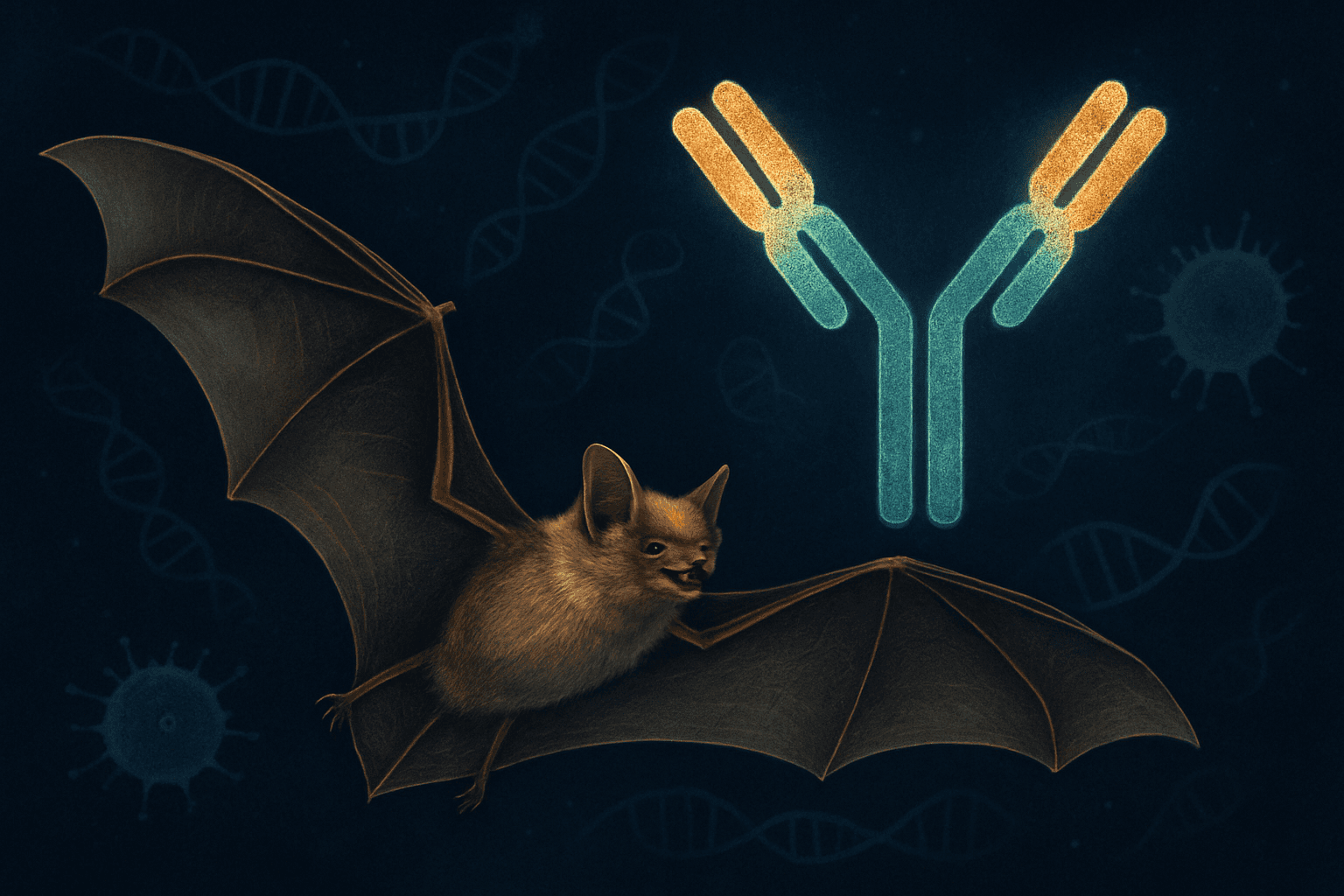
Scientists Find Mammals’ First Known Dual Antibody Gene System in Bats
A study of vesper bats has identified two complete antibody-producing gene regions on separate chromosomes—a genetic arrangement not previously documented in mammals. The discovery may help explain how bats coexist with viruses without developing severe disease, although researchers say it is only one piece of a much larger biological puzzle.
September 5, 2026 at 9:26 PM EDT
AI-generated image / StoryBreak
Science
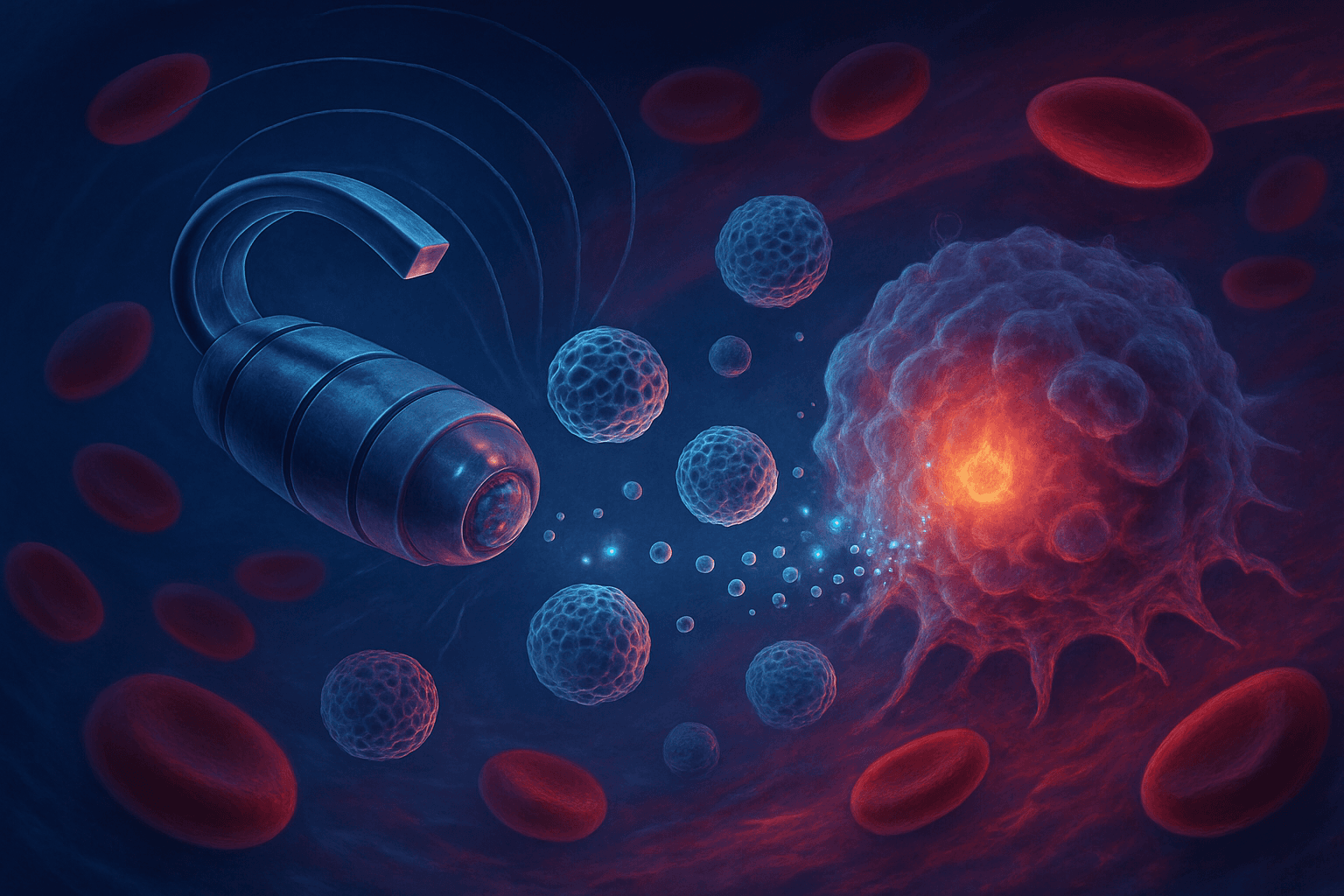
Nanobots Inside the Human Body: The Medical Revolution Is Still in the Lab
Tiny machines that can move through the body, release drugs and respond to disease signals are advancing rapidly—but most medical nanorobots remain experimental, with major hurdles still blocking routine use in patients.
September 4, 2026 at 10:19 PM EDT
AI-generated image / StoryBreak
Science
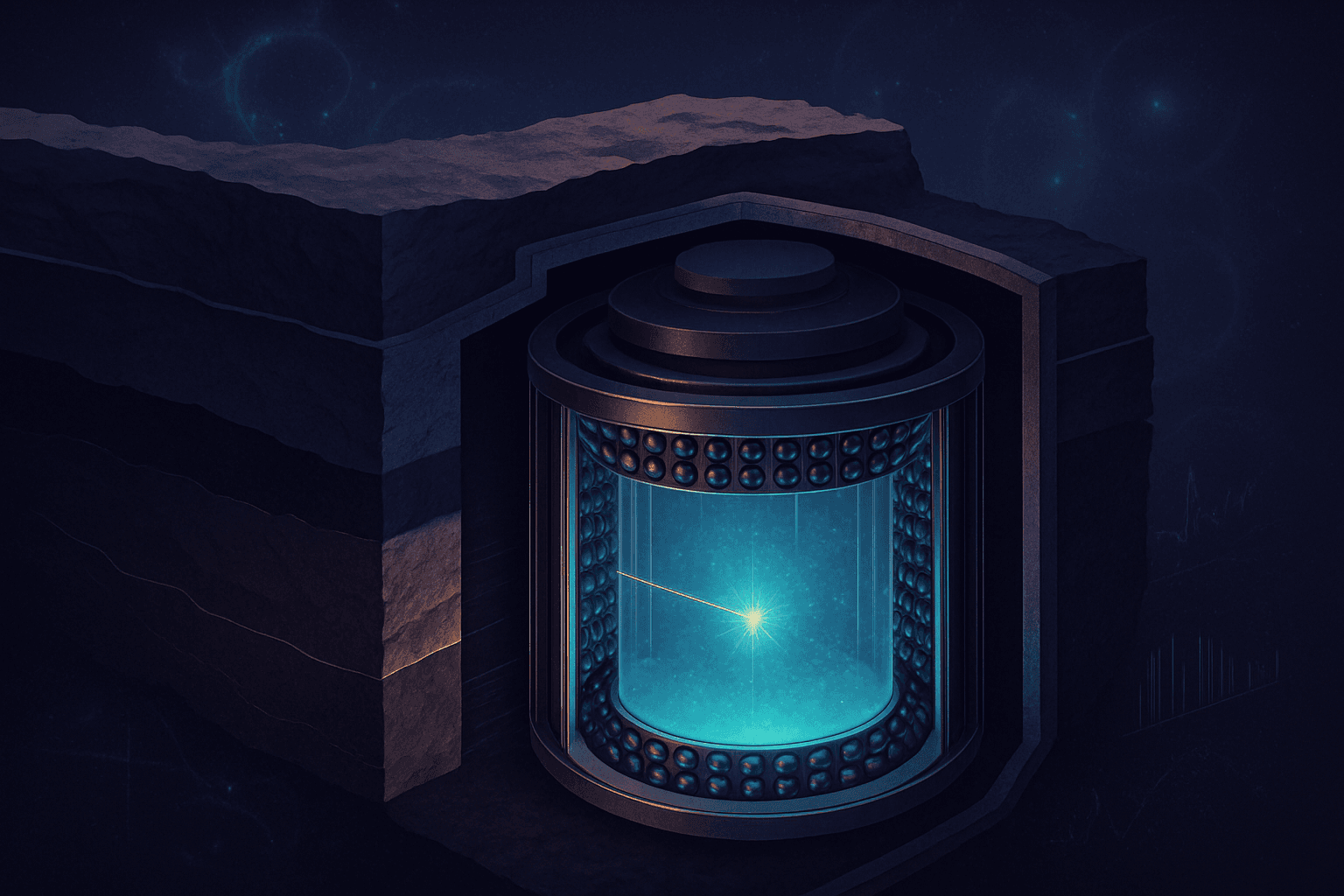
A Single Strange Collision May Be the First Direct Hint of Dark Matter
The LUX-ZEPLIN experiment has found one unusually energetic interaction deep underground in South Dakota that does not fit expected background signals. Researchers say it could be a dark matter event—but its 2.6-sigma significance is far below the standard required for a discovery.
September 3, 2026 at 6:25 PM EDT
AI-generated image / StoryBreak
Science
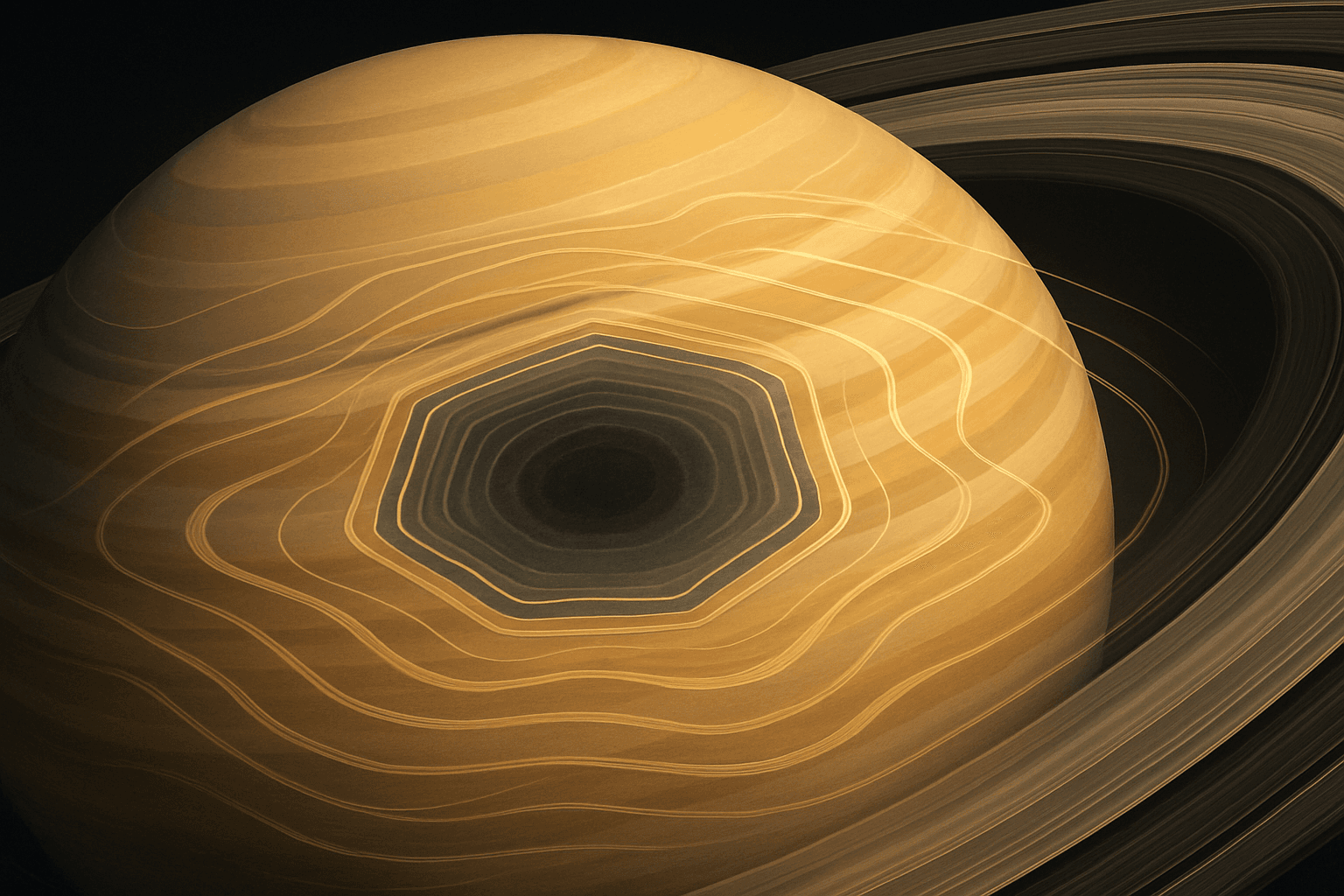
Scientists Spot a Giant 10-Sided Atmospheric Wave Over Saturn’s South Pole
New Hubble observations reveal a vast, evolving decagon embedded in Saturn’s southern jet stream. The feature resembles the planet’s famous northern hexagon but appears newer, less stable and possibly still developing.
September 2, 2026 at 11:09 PM EDT
AI-generated image / StoryBreak
Science
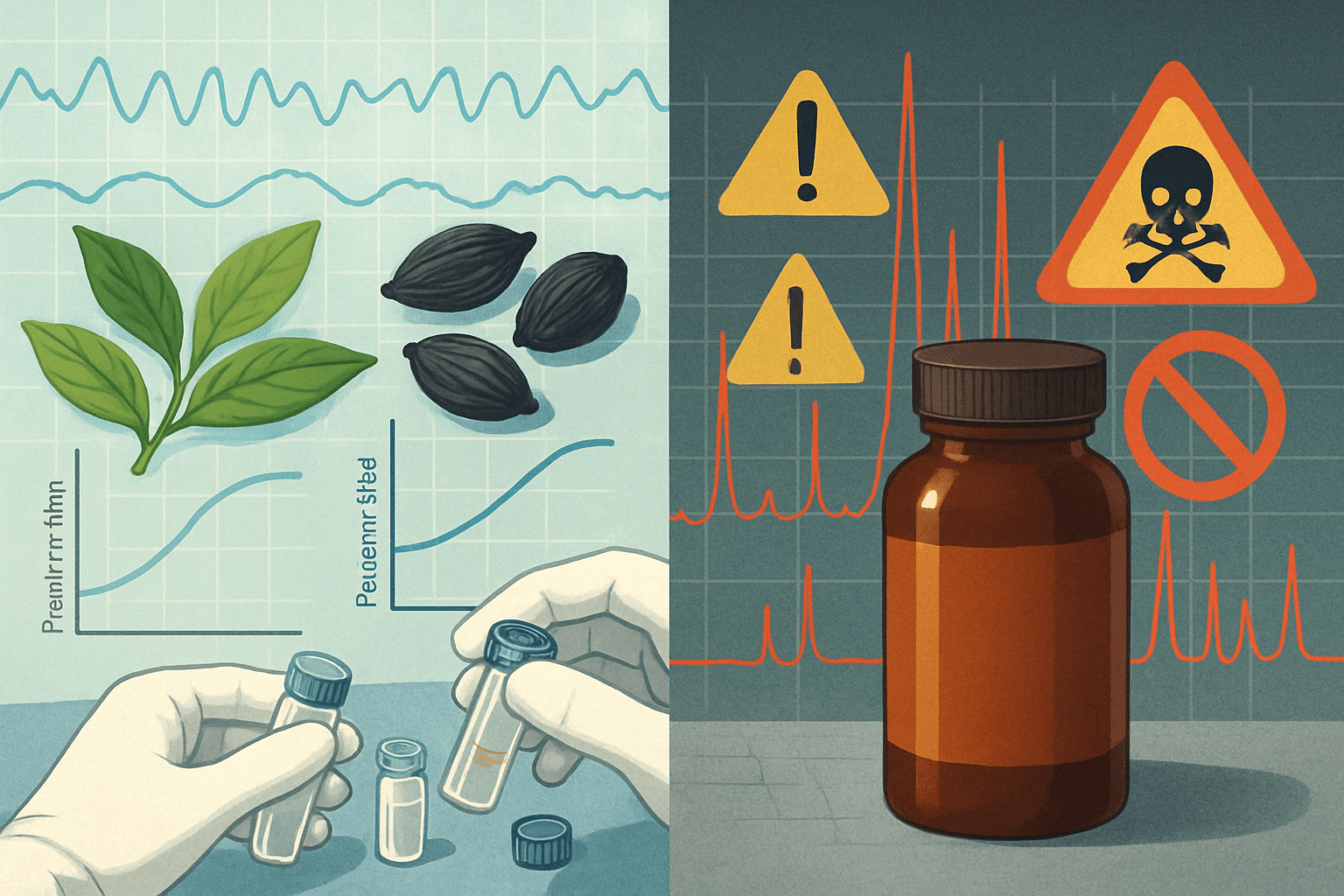
Nootropics Research Gets More Specific — and FDA Finds Dangerous Ingredients in Focus Supplements
New 2026 research suggests L-theanine may provide a modest short-term attention benefit, while a small clinical trial reports improved focus after a black-cardamom extract. At the same time, an FDA warning highlights the safety risks of poorly regulated “focus” products sold as dietary supplements.
September 1, 2026 at 7:50 PM EDT
AI-generated image / StoryBreak
Science
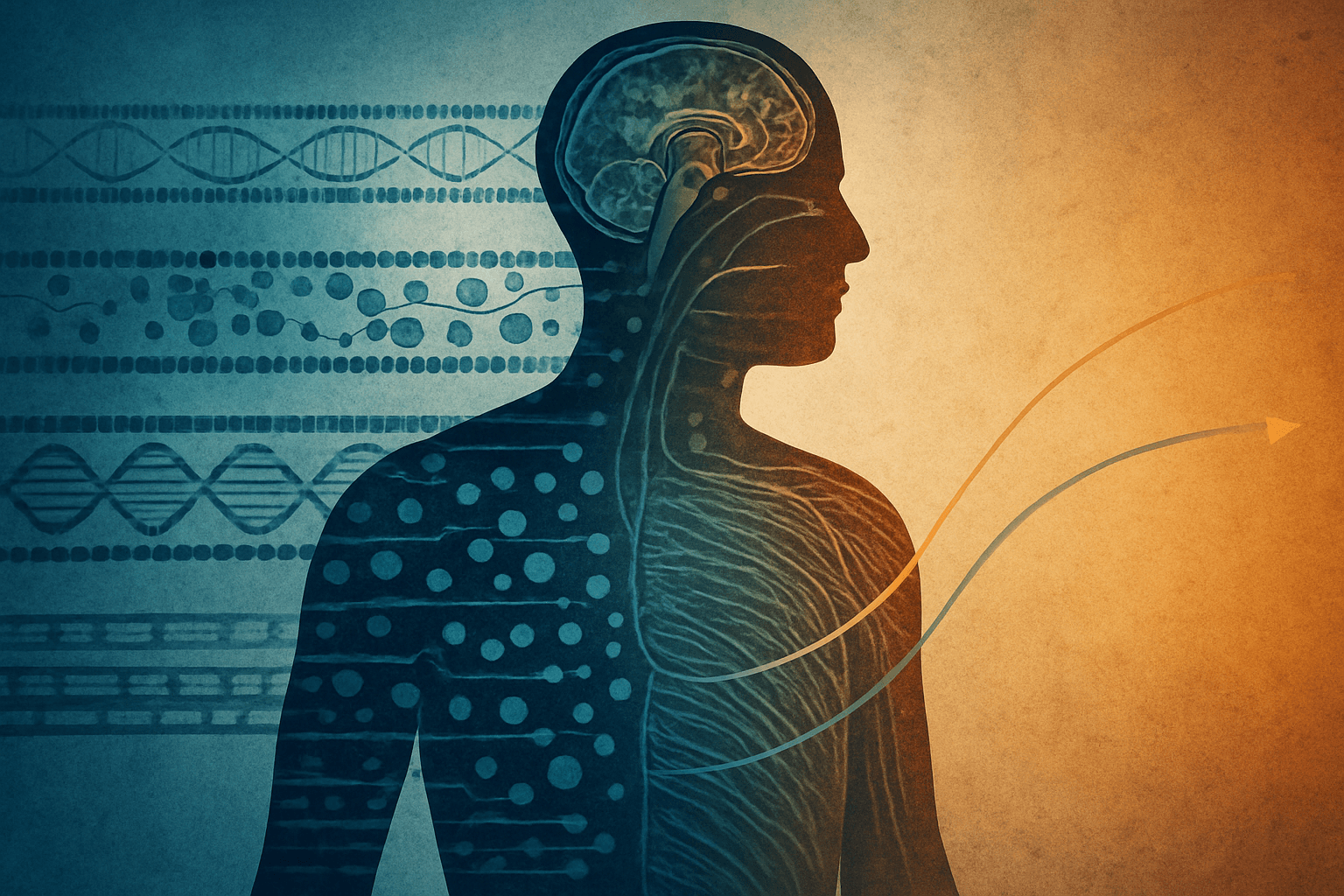
Scientists Are Getting Better at Testing Whether Aging Can Be Slowed
Recent studies are shifting longevity research from the promise of living longer to a harder question: can interventions measurably slow the biological processes that drive disease, disability and frailty? Human trials show modest signals, while new aging measurements may help determine what works.
September 1, 2026 at 7:12 PM EDT